Gardens by the Bay in Singapore, a 101-hectare nature park, which officially opened in 2012, showcasing a monumental effort to integrate nature into a dense urban fabric. The sprawling complex, with its iconic Supertrees and climate-controlled conservatories, is an ambitious vision for urban greening. Cities can weave vast natural elements into their very core, offering residents expansive public spaces designed to reconnect with the natural world and enhance overall well-being. However, despite the proven benefits of nature integration, the application of biophilic design principles for well-being and productivity in 2026 faces a critical challenge. While it significantly improves well-being and cognitive function, this efficacy hinges on careful tailoring. Without a precise calibration of multisensory stimuli, biophilic interventions can paradoxically lead to increased distraction and impaired cognitive performance.nce, directly contradicting common assumptions.
The future of urban and architectural design will increasingly rely on a sophisticated, evidence-based approach to biophilic principles to maximize human benefit and avoid unintended drawbacks. This calls for a nuanced understanding of how natural elements interact with human perception, moving beyond superficial greening to create truly effective and beneficial environments.
Understanding Biophilic Design
Biophilic design, a concept that integrates natural elements into the built environment, can be implemented through direct experience of nature, indirect experience of nature, and spatial configurations, according to growup. Direct experience involves tangible contact with nature, such as plants, water features, or natural light. Indirect experience incorporates natural patterns, forms, and materials, while spatial configurations relate to the arrangement of space to evoke feelings of prospect, refuge, or mystery.
Exposure to nature has been linked to an improvement in psychophysical well-being, due to a decrease in physiological stress and a reduction in anxiety and depression, as reported in Nature. The connection between nature exposure and well-being highlights the fundamental human need for connection with the natural world, even within urban settings. The presence of natural elements appears to calm the nervous system and foster a sense of psychological restoration.
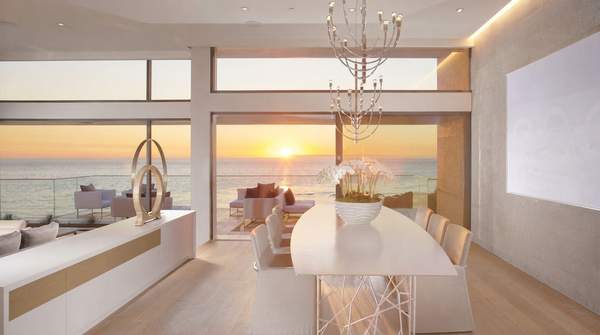
Beyond these established benefits, research also explores biophilic environments for their ability to stimulate specific positive psychological states. One study specifically tested existing theories and a novel theory that biophilic environments stimulate inspiration, according to pmc. Biophilic design is not merely about stress reduction but can also actively foster creativity and innovative thinking. Biophilic design, therefore, is a multifaceted approach that leverages various forms of nature exposure to deliver measurable improvements in mental and physical health, including novel benefits like inspiration.
Urban Green Havens: Real-World Impact
The High Line in New York City, a green space built on an abandoned railroad, exemplifies the transformative power of biophilic design in dense urban environments, according to urbandesignlab. The elevated park successfully repurposed industrial infrastructure, preserving historical elements while creating a linear oasis. The park provides a unique pedestrian experience, offering respite and views of the city skyline, demonstrating effective integration of nature into a previously neglected space.
Similarly, The Goods Line in Sydney, Australia, is a linear park that opened in 2015, as documented by urbandesignlab. This project transformed a disused railway corridor into a vibrant public precinct, linking key cultural and educational institutions. It features green spaces, public art, and seating areas, encouraging social interaction and passive recreation within the city.
Biophilic design's capacity to revitalize urban areas is highlighted by these projects. They transform industrial remnants into essential green infrastructure, providing ecological benefits, enhancing walkability, and improving the quality of urban life for thousands of residents and visitors. Major urban centers are successfully repurposing industrial spaces into vibrant linear parks and green corridors, demonstrating biophilic design's capacity to revitalize urban areas and provide essential green infrastructure.
Beyond Aesthetics: The Nuance of Effective Biophilic Integration
Results support a positive effect of exposure to biophilic design on self-reported psychological states, including inspiration, as found by research in pmc. Thoughtful integration of natural elements can do more than just reduce stress; it can actively cultivate positive emotional and cognitive responses. Designers can target specific psychological outcomes by carefully selecting and arranging biophilic features.
However, biophilic interventions may fail to produce expected benefits or have adverse effects, such as increasing distraction and impairing cognitive performance, especially if multisensory stimuli are not carefully tailored, according to Nature. Simply adding 'nature' is insufficient. For instance, a waterfall's constant sound might be calming for some but distracting for others attempting focused work. The quality and specificity of biophilic design are paramount, and generic approaches risk undermining the very benefits sought.
Companies and urban planners investing in biophilic design without a deep understanding of multisensory tailoring are trading good intentions for potential cognitive impairment in their users, as evidenced by findings in Nature. Achieving specific psychological states, such as inspiration, through biophilic design requires targeted interventions that go beyond generic green spaces, demanding an understanding of how different natural elements impact distinct user groups. While biophilic design demonstrably boosts positive psychological states like inspiration, its effectiveness hinges on careful, context-specific tailoring of natural stimuli to avoid unintended negative consequences.
The Urgent Need for Nature in Our Lives
Living in cities is associated with stress-related health problems and a higher prevalence of mental disorders, as highlighted in Nature. The constant sensory overload, reduced exposure to natural light, and lack of green spaces contribute to this urban health deficit. Biophilic design offers a direct countermeasure, aiming to mitigate these negative impacts by reintroducing essential natural connections into daily life.
Large-scale projects like Gardens by the Bay in Singapore, which incorporates vertical landscaping ranging from 25 to 50 meters in height, demonstrate ambitious attempts to integrate nature vertically within dense urban environments, according to urbandesignlab. The structures aim to maximize green space in limited footprints, addressing the pervasive issue of nature scarcity in metropolitan areas. Such grand designs, however, must consider granular user needs.
A systematic review of nine studies identified biophilic parameters relevant to healthcare environments, categorized by user groups, according to pmc. For outpatients, key parameters included fresh air, light-daylight, thermal comfort, and a welcoming, relaxing atmosphere. Inpatients benefited from feeling relaxed and comfortable, prospect refuge, security, protection, light-daylight, and views. Staff required privacy-refuge and quietness. The detailed categorization highlights the necessity of tailoring biophilic elements to specific user groups and their distinct psychological and physiological needs.
The grand, monumental biophilic projects like Gardens by the Bay, while visually impressive, risk missing the mark on specific human well-being and cognitive benefits if they fail to incorporate the granular, user-group-specific parameters identified in healthcare environments by pmc. Given the documented mental health toll of urban environments, biophilic design, from vertical gardens to tailored healthcare settings, offers a vital solution for improving public well-being and creating healthier human habitats.
What are the benefits of biophilic design?
Beyond reducing stress and enhancing psychological states like inspiration, biophilic design offers significant economic advantages. Studies suggest that integrating nature can lead to improved employee productivity, reduced absenteeism, and higher retail sales, as explored in "The Economics of Biophilia" by Terrapin Bright Green. The benefits translate into tangible returns on investment for developers and businesses.
How does biophilic design improve productivity?
Biophilic design enhances productivity by fostering a restorative environment that reduces mental fatigue and improves focus. The presence of natural light, views of nature, and natural patterns can lower heart rates and blood pressure, creating conditions conducive to sustained cognitive performance. For instance, workers in offices with natural elements have reported higher levels of concentration and job satisfaction, contributing to overall output.
What are the key elements of biophilic design?
Key elements extend beyond mere potted plants, encompassing a broader range of patterns and strategies. These include visual connection with nature, thermal and airflow variability, presence of water, biomorphic forms and patterns, and material connection with nature. These elements work together to replicate the sensory richness and complexity found in natural ecosystems, promoting human comfort and engagement.
The efficacy of biophilic design hinges on a precise understanding of how multisensory stimuli interact with human cognition. As urban populations grow and the demand for healthier environments intensifies, the nuanced application of biophilic principles becomes critical. Generic greening efforts, while well-intentioned, risk becoming detrimental distractions if not meticulously tailored to specific user needs and contexts.
Forward-thinking developers and urban planners must prioritize evidence-based design, moving beyond aesthetic considerations to truly optimize human well-being and cognitive function. By Q4 2026, companies like BioConnect Solutions, specializing in data-driven biophilic integration, will likely see increased demand for their customized environmental strategies, demonstrating a market shift towards precise, user-centric natural design.