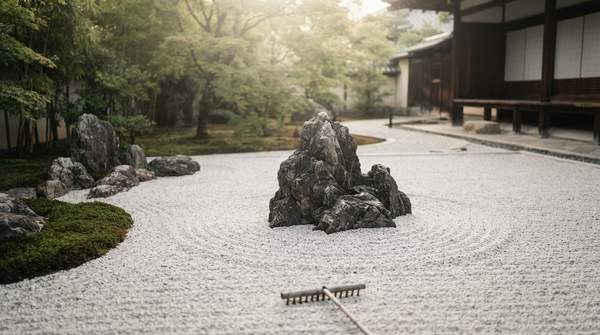
What are biophilic design principles for well-being in modern interiors?

Despite the sterile norms of modern architecture, studies reveal that simply integrating natural elements into an indoor space can measurably improve cognitive performance and significantly reduce str

LB
Luca Bianchi

April 19, 2026 · 4 min read

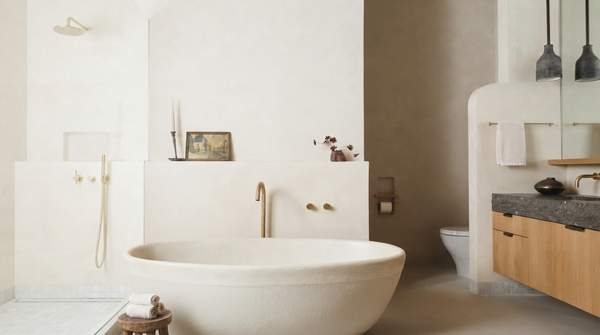
A modern interior design featuring biophilic elements like plants, natural wood, and abundant natural light to promote well-being.

Despite the sterile norms of modern architecture, studies reveal that simply integrating natural elements into an indoor space can measurably improve cognitive performance and significantly reduce stress for its occupants. This impact affects core mental functions vital for daily tasks and well-being, fostering a stronger connection to nature—a fundamental human need.

Modern interior design often prioritizes sleek aesthetics and efficiency. Yet, it frequently overlooks the profound human need for natural elements crucial for well-being and cognitive function. This disconnect creates spaces that, while visually appealing, inadvertently hinder human potential and recovery, neglecting centuries of human evolution within natural settings.

As awareness of biophilic design’s tangible benefits grows, its integration into commercial and residential spaces will likely become a standard, not a luxury. This shift reevaluates how built environments can actively support, rather than detract from, human capabilities in 2026 and beyond.

What is Biophilic Design?

Biophilic design integrates natural elements into built environments. It stems from biophilia, the innate human need to connect with nature. Natural settings restore mental fatigue, attention, and cognitive capacities, also boosting emotional well-being, according to PMC. This integration alleviates the cognitive load of purely artificial settings.

Beyond aesthetics, biophilic design addresses fundamental psychological and physiological needs. By bringing elements like natural light, ventilation, water features, and vegetation indoors, designers mimic the restorative qualities of the outdoors. This counteracts the mental and physical tolls of modern, nature-deprived living, aiming for spaces where occupants thrive, not just exist.

The Cognitive Edge: How Nature Sharpens the Mind

Immersive biophilic indoor environments improve cognitive performance, linking natural elements directly to mental acuity. This functional enhancement extends beyond relaxation, improving information processing and focus. Such environments also reduce stress, according to ScienceDirect. Nature integration enhances mental clarity and emotional regulation, making built spaces more conducive to focused work and relaxation.

Biophilic spaces repair and enhance core mental functions like attentional resources and cognitive capacities, suggesting a deeper, functional impact. Companies failing to integrate biophilic design compromise their workforce's cognitive capabilities and mental resilience, creating a hidden drag on productivity. Biophilic design is thus critical for optimizing human capital, especially in demanding professional settings.

Beyond Performance: Nurturing Overall Well-being

Nature exposure links to lower psychological stress and faster psychophysiological recovery, promoting well-being, according to PMC. Natural elements contribute to sustained mental and emotional health, with benefits extending beyond subjective feelings to measurable physiological recovery. Organizations prioritizing sterile spaces prevent employees from full recovery, leading to chronic stress and reduced satisfaction.

Biophilia in Practice: Transforming Workspaces

Biophilic design in offices promotes worker well-being, according to Nature. Its practical application in professional settings, where employee health impacts organizational success, is evident. It is a strategic investment in employee health, satisfaction, productivity, and retention.

Consistent evidence for improved cognitive performance and stress reduction suggests biophilic design should be reclassified from an aesthetic luxury to a fundamental infrastructure investment. Its cumulative effect is a holistic improvement in human capital, boosting cognitive function, reducing stress, and fostering mental recovery. This integrated approach offers a competitive advantage in attracting and retaining talent.

Common Questions: User Experience and Satisfaction

What are the benefits of biophilic design in homes?

Beyond cognitive and stress reduction, biophilic design in homes significantly improves occupant satisfaction. Creating natural, alive spaces fosters comfort and belonging, enhancing daily living. This extends to improved sleep quality and a general sense of peace.

How can I incorporate biophilic design into my living space?

Incorporating biophilic design involves more than houseplants. Maximize natural light, use natural materials like wood and stone, and integrate views of nature. Consider indoor water features, natural ventilation, and patterns found in nature for an immersive experience. Even small changes, like earth-toned colors and organic shapes, contribute to a biophilic environment.

What are the key elements of biophilic interior design?

Key elements include direct nature (plants, water, sunlight), indirect nature (natural materials, colors, patterns, views), and human-nature relationships (prospect, refuge, mystery, risk/peril). These elements create a multi-sensory experience connecting occupants to the natural world, designing spaces both aesthetically pleasing and inherently restorative.

The Future is Green: A New Standard for Design

Compelling evidence suggests biophilic design is poised to become a fundamental component of future-proof architecture and interior planning, moving from niche to mainstream. This shift acknowledges human connection to nature as essential for optimal function and well-being. Integration of biophilic principles into building codes appears likely as urban populations grow.

The pervasive sleek, minimalist aesthetic of modern interior design largely ignores these proven benefits, implying a disconnect between scientific understanding and current design practices. This oversight presents a substantial opportunity for designers and organizations to innovate. By 2026, companies like Interface, a leading modular flooring manufacturer, are expected to further integrate biophilic patterns and sustainable materials into their core offerings, demonstrating this evolving standard.