Federal agencies are now mandated to design new buildings that are at least 30% more energy-efficient than industry standards, where life-cycle cost-effective, according to the GSA. This directive for sustainable design principles in architecture transforms public infrastructure, moving efficiency from aspiration to requirement. It aims to reduce the long-term environmental footprint and operational costs of government facilities, impacting how projects are conceived and executed in 2026 and beyond.
However, despite these clear benefits and increasing mandates, architects and developers face significant hurdles. Challenges include sourcing eco-friendly materials and balancing competing environmental goals, creating a complex implementation environment for sustainable product development.
As regulations tighten and benefits become clearer, sustainable design will likely evolve from a specialized practice into an integrated, fundamental component of all building codes and product development, though its implementation will continue to present nuanced challenges.
What is Sustainable Design?
Sustainable design integrates environmental considerations into building and product development. This approach prioritizes minimizing negative environmental impact throughout a project's life cycle. It aims to optimize resource efficiency and promote occupant well-being.
The GSA reports that its high-performance buildings use less energy, save water, cost less to operate, and produce less waste than typical counterparts. These concrete, measurable advantages extend beyond environmental impact. They directly benefit operational efficiency and resource conservation. These operational savings establish a clear economic incentive, elevating sustainable design beyond mere environmental stewardship.
The Regulatory Landscape and Industry Adoption
The regulatory environment increasingly formalizes sustainable practices. Projects disturbing a surface area over 5,000 square feet must manage storm water runoff, according to the GSA. This mandate integrates environmental protection directly into basic construction requirements.
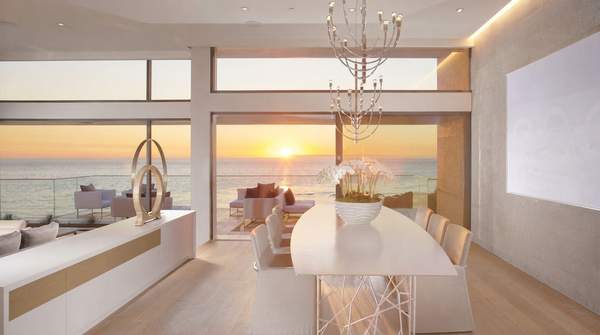
Industry also shows voluntary adoption. Some construction and design firms participate in programs like the AIA 2030 Challenge for carbon neutrality, notes Credaglobal. This initiative sets specific targets for reducing fossil fuel consumption and greenhouse gas emissions. Both governmental regulations and voluntary industry commitments converge to establish sustainable practices as the new standard for development.
The Unseen Challenges and Trade-offs
Despite growing mandates, implementing sustainable design presents practical difficulties. The limited availability of certain eco-friendly materials can complicate the architectural design process, according to Sciencedirect. This scarcity forces compromises or delays, creating a gap between ambitious design goals and practical execution.
Furthermore, achieving one aspect of "high-performance" can undermine another. Upgrading HVAC systems for better air filtration, such as MERV 15+ or HEPA, to mitigate airborne viruses can increase energy usage, especially in winter, notes Credaglobal. This conflict forces architects and developers into difficult decisions, where optimizing for indoor air quality can compromise energy efficiency.
Based on Credaglobal's finding, companies prioritizing immediate health concerns over long-term energy efficiency are inadvertently creating new environmental burdens. A critical dilemma is that true sustainability demands a holistic view, where short-term gains in one area do not negate progress in another.
The Future of Sustainable Design
The trajectory of sustainable design points towards its inevitable integration into standard practice. Marc Truant, for instance, speculates that in 20 years, LEED certification will be integrated into building codes, according to Credaglobal. This suggests what is currently considered advanced sustainable practice will soon become the fundamental expectation for all construction.
This integration would standardize green building principles, making them a default rather than a premium feature. The GSA's success in proving that high-performance buildings save money reinforces this outlook. It suggests the biggest barrier to widespread sustainable design isn't cost, but rather the inertia of outdated building codes and fragmented supply chains.
If material science and supply chain logistics can innovate to meet both strict energy mandates and the demand for eco-friendly resources, sustainable design will likely transition from a challenging aspiration to an inherent, balanced reality for all construction.