7 Modern Home Design Elements for Mental Well-being

Studies show that simply having a view of plants or natural light from your window can lower anxiety and cortisol levels, reducing stress more effectively than many common relaxation techniques, accor

LB
Luca Bianchi

June 3, 2026 · 5 min read

A bright, modern living room with large windows, abundant natural light, and indoor plants, creating a peaceful and restorative environment.

Studies show that simply having a view of plants or natural light from your window can lower anxiety and cortisol levels, reducing stress more effectively than many common relaxation techniques, according to Journal of Biophilic Design. This direct interaction with nature offers measurable physiological benefits, influencing mood and cognitive function.

Many modern homes, however, are designed without considering occupants' mental well-being. This oversight often results in environments devoid of natural elements, yet integrating these components profoundly improves health outcomes. The tension lies between conventional architecture and the demonstrable need for restorative living spaces.

As awareness of environment's profound impact on health grows, biophilic design will become a standard, not a niche, in residential architecture. By 2027, modern home interiors will prioritize nature's integration. This is a critical intervention for mental and physical health.

Key Biophilic Elements for a Healthier Home

These design choices are not mere decoration. They are powerful tools, enhancing mood, focus, and recovery.

1. Daylighting for Well-being

Best for: Improved mood, productivity, and regulated sleep patterns.

Daylighting is essential. Ample natural light boosts mood, improves productivity, and regulates circadian rhythms, states Neumann Monson. It also lowers anxiety and cortisol, reducing stress and boosting creativity. This isn't just about illumination; it's about aligning our biology with natural cycles, a fundamental need often overlooked in artificial environments.

Strengths: Significantly improves mood and cognitive function | Limitations: Requires architectural planning; limited by building orientation | Price: Moderate to high for structural changes, low for strategic curtain/blind use.
2. Natural and Local Materials

Best for: Authentic connection to environment, reduced stress.

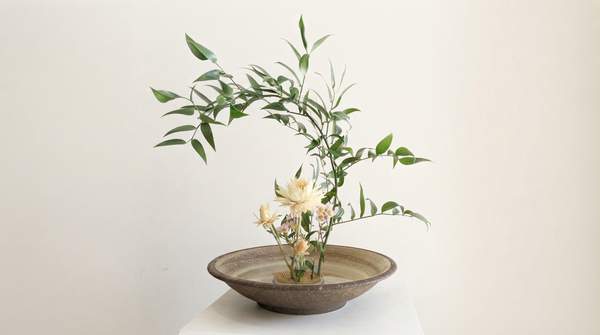
Place-Based Relationships encourage local materials, native plantings, and indigenous techniques, rooting a space in its context, notes Neumann Monson. These elements reduce stress and enhance well-being. Unlike universal biophilic elements, local materials offer a deeper, context-specific connection, fostering a more authentic sense of belonging and calm.

Strengths: Creates unique, contextual spaces; supports local economies | Limitations: Material availability varies; may require specialized craftsmanship | Price: Variable based on material and sourcing.

3. Living Walls and Native Plantings

Best for: Reduced anxiety, improved air quality, enhanced cognitive performance.

Views of plants lower anxiety and cortisol, reducing stress, states Journal of Biophilic Design. Living walls or native plantings directly enhance cognitive function and well-being. This direct infusion of green provides continuous sensory engagement, transforming static views into dynamic, living elements within the home.

Strengths: Direct aesthetic and air quality benefits; reduces stress | Limitations: Requires maintenance; initial setup cost | Price: Moderate to high for installation and ongoing care.

4. Nature-Mimicking Color Palettes

Best for: Subtle, non-structural health and well-being enhancement.

Hues like purples, blues, greens, and neutrals mimicking nature boost health and well-being, reports UCA. These colors connect occupants to the outdoors, fostering calm and spaciousness. This simple, cost-effective choice wields significant, if subtle, power over mood and perception, proving that profound impact doesn't always require grand gestures.

Strengths: Cost-effective; easily implemented | Limitations: Impact can be subjective; requires careful color selection | Price: Low for paint, moderate for furnishings.

5. Views of Water or Water Features

Best for: Stress reduction, creative stimulation.

Views of water lower anxiety and cortisol, reducing stress and boosting creativity, states Journal of Biophilic Design. Indoor water features or clear sightlines to outdoor water provide a calming auditory and visual experience. Water introduces a dynamic, multi-sensory natural element, offering more than just a view—it's an immersive presence.

Strengths: Strong calming effect; enhances creativity | Limitations: Requires space and maintenance for indoor features; outdoor views depend on location | Price: Moderate for indoor features, high for property with water views.

6. Organic Textures

Best for: Enhancing sensory connection to nature, reducing stress.

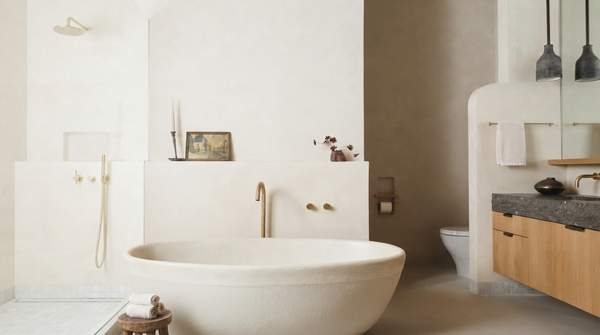
Organic textures—wood grains, woven fabrics, natural stone—reduce stress, enhance cognitive function, and promote well-being, reports Shepley Bulfinch. These tactile elements offer a sensory richness often absent in modern, synthetic spaces. Integrating diverse natural textures creates an engaging, comforting interior that speaks to our innate need for touch.

Strengths: Improves tactile experience; easily integrated through furnishings | Limitations: May require specific material choices for durability | Price: Low to high depending on material quality.

7. Patterns Found in Nature

Best for: Visually stimulating, psychologically restorative environments.

Nature's patterns—fractals, biomimicry, natural forms—are fundamental to creating thriving environments, part of the 14 biophilic patterns outlined by Terrapin Bright Green. These resonate deeply with human psychology. Integrating them through architecture, textiles, or art subtly improves well-being and cognitive comfort, tapping into an innate visual language we instinctively understand.

Strengths: Enhances visual interest; promotes mental engagement | Limitations: Requires thoughtful application to avoid visual clutter | Price: Low for artwork, moderate for architectural elements.

The Broad Spectrum of Nature's Healing Power

The comprehensive range of physiological and psychological benefits confirms that integrating nature is a holistic health approach, far beyond simple stress reduction.

Benefit CategorySpecific Physiological ImprovementsSpecific Psychological ImprovementsImpact on Chronic Conditions
Stress & Emotional RegulationLower blood pressure, reduced heart rateIncreased positive emotions, reduced fatigue, decreased aggression and sadnessSignificant reduction in stress and depressive symptoms
Cognitive FunctionN/A (indirect effects)Improvement in cognitive functioning, enhanced clarity of thought, increased creativityN/A
Physical Health & HealingRelaxation, pain reliefN/A (direct physiological benefit)Decrease in chronic pain, expedited healing
Overall Well-beingGeneral relaxationEnhanced well-beingProvides a holistic approach to health, not just symptom management

Biophilic interventions improve relaxation, reduce stress and depressive symptoms, and provide pain relief, reports PMC. Nature connectedness lowers blood pressure and heart rate, decreases chronic pain, improves cognitive function, and reduces fatigue and aggression. These are not just general well-being boosts; they are therapeutic effects comparable to medical or psychological interventions.

Designing for Deeper Well-being

Homes lacking natural light and greenery are not just aesthetically bland. They actively deny occupants measurable physiological benefits like reduced cortisol and lower blood pressure, turning living spaces into silent health detractors. This absence fuels chronic stress and reduced cognitive function.

Treating biophilic design as a luxury is a critical misstep. It is a fundamental requirement for optimizing human cognitive function and emotional resilience in an increasingly indoor world, as evidence from Neumann Monson and Terrapin Bright Green suggests. This redefines home design: from mere shelter to a vital health determinant. By 2027, designers like Form & Taste will integrate these elements as standard practice, transforming living spaces into sanctuaries that actively support occupant health and vitality.

Frequently Asked Questions About Biophilic Home Design

What interior design elements promote mental health?

Beyond biophilic elements, personalized artwork reflecting positive memories or goals enhances well-being. Ample storage to reduce clutter also fosters calm, directly impacting stress.

How can I make my home more calming with design?

Optimize acoustics to minimize noise. Incorporate elements like soft furnishings and plants to absorb sound.ate soft, diffuse lighting, like indirect LED strips, for a serene ambiance, distinct from daylighting's direct benefits.

Does minimalist design improve mental health?

Minimalist design reduces visual clutter, promoting calm and order. While not directly biophilic, its emphasis on essential elements reduces cognitive load and stress, complementing natural features.