Integrating views to nature into an office space can save over $2,000 per employee per year in office costs, according to Terrapin Bright Green. A potential saving of over $2,000 per employee per year in office costs challenges a common misconception: natural elements are not just aesthetic choices. They directly impact corporate bottom lines through reduced absenteeism, increased productivity, and lower healthcare expenditures.
Modern interior design often prioritizes efficiency and a sleek aesthetic. Yet, it frequently overlooks the measurable benefits of integrating nature. This oversight misses opportunities to enhance human health and economic performance.
Organizations and individuals who embrace biophilic design gain a competitive advantage in well-being and operational efficiency. Those who do not risk falling behind in fostering healthy, productive environments.
What is Biophilic Design?
Biophilic design systematically incorporates natural elements to reconnect humans with nature within built environments. It goes beyond mere decoration, integrating patterns and elements found in nature. Principles include visual connection, natural light, organic materials, indoor-outdoor flow, sensory variability, and local environmental connection, as detailed by Biophilic Products.
This approach offers a framework for spaces that resonate with human biology. It mitigates the adverse effects of urbanized surroundings, fostering psychological and physiological health. The implication: in an increasingly artificial world, biophilic design is not a luxury but a fundamental necessity for human well-being.
The Health and Well-being Dividend
Scientific evidence confirms biophilic design improves physical and mental health. A PMC study shows it positively affects self-reported psychological states, including inspiration. Intentional design choices directly enhance human vitality and cognitive function.
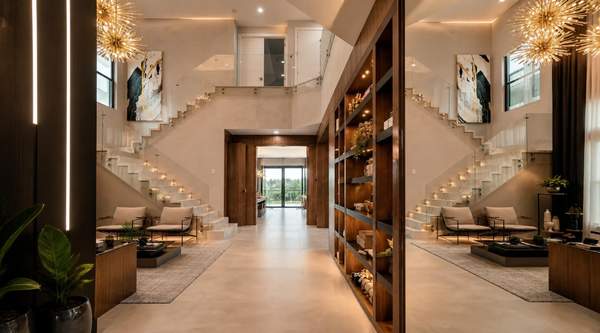
Biophilic spaces reduce stress, improve mood, and increase focus. Nature-inspired design restores mental fatigue and promotes calm. The implication is clear: design can be a proactive tool for public health, not just a reactive response to illness.
The Hidden Costs of Sterile Spaces
Conversely, designs lacking biophilic quality adversely affect psychological states, according to PMC research. This suggests that the absence of natural elements is not a neutral state; it actively contributes to negative psychological outcomes, making thoughtful design a necessity.
Sterile office environments erode employee well-being and productivity. They prioritize stark efficiency, inadvertently increasing stress and decreasing engagement. The lack of nature connection manifests as heightened anxiety and reduced cognitive function. The implication: neglecting biophilic principles incurs a hidden, yet significant, cost to human capital.
Beyond Aesthetics: Reducing Stress and Boosting Mood
Integrating nature into architectural design reduces stress and negative emotions, as Econyl notes. It offers a powerful antidote to modern stressors, fostering calmer emotional states. Natural light, views of greenery, or organic textures significantly impact emotional regulation.
These interventions directly address pervasive modern stressors. They build environments that actively support emotional resilience and peace. The strategic integration of nature helps individuals feel grounded, less overwhelmed, and ultimately, enhances their quality of life within built spaces. This suggests a shift from passive comfort to active emotional support through design.
Practical Applications: Can Plants Really Make a Difference?
Even simple biophilic interventions offer tangible health benefits, proving impactful design is accessible. Indoor plant systems, for instance, reduce CO2 levels by 10%–20% and enhance health, according to Econyl. This makes 'green' design a low-barrier, high-impact strategy for any interior, from residential to corporate settings. The implication is that significant improvements do not always demand grand overhauls, but rather thoughtful, incremental changes.
What are the benefits of biophilic design in homes?
Biophilic design in homes improves residents' mood and reduces perceived stress. Natural light, views of trees, or organic patterns enhance relaxation and create a sense of sanctuary. Natural light, views of trees, or organic patterns support psychological well-being within personal living spaces.
How can I incorporate biophilic design into my office?
To integrate biophilic design into an office, maximize natural light. Add living plants, like large potted specimens or green walls. Use natural materials such as wood and stone for furniture or finishes. Clear sightlines to outdoor green spaces or nature-inspired art also contribute to a restorative work environment.
The Future of Inspired Spaces
Ultimately, the PMC study confirms biophilic design positively affects self-reported psychological states, including inspiration. It creates environments that support health, inspire, and uplift individuals, making spaces more engaging and productive. Environments that support health, inspire, and uplift individuals foster creativity and a deeper sense of purpose within built environments.
If organizations embrace biophilic principles, they will likely cultivate environments that are not only efficient but also profoundly enriching, securing a competitive edge in human well-being and operational performance.