A 2023 McKinsey study revealed 71% of consumers expect personalized brand interactions, profoundly reshaping the beauty market. This shift moves beyond one-size-fits-all products to hyper-personalization in beauty with AI and data, leveraging technology for bespoke solutions tailored to individuals. This transition from demographic-based products to single-person routines promises greater efficacy, less waste, and deeper brand-consumer connections.
For years, personalization in beauty meant choosing a foundation shade or picking a shampoo for "oily" or "dry" hair. While helpful, this approach still relied on broad categories. Hyper-personalization dismantles these categories entirely. It’s a data-driven strategy that treats each consumer as a market of one. The reason this is happening now is the rapid advancement in artificial intelligence, which can analyze complex variables—from your local climate to your genetic predispositions—to an extent previously unimaginable. AI can even assist in the development of new formulations, predicting how different ingredients will work together to meet a specific need, making truly custom beauty not just a luxury, but an accessible reality.
What Is Hyper-Personalization in Beauty?
Hyper-personalization in beauty is an advanced strategy using artificial intelligence, real-time data, and behavioral analytics to create highly customized products, recommendations, and experiences for individual consumers. Unlike traditional personalization, it delves into unique needs, environment, and lifestyle, akin to a bespoke tailor crafting a suit to precise measurements rather than an off-the-rack purchase.
This process is built on deep, multifaceted data, seeking to understand why skin conditions exist, not just if they do. For example, is dryness caused by low humidity, genetics, or lifestyle? By analyzing these interconnected data points, AI builds a comprehensive, evolving profile of individual needs. The core components of this approach typically include:
- Data Collection: Brands gather information through detailed online quizzes, photo analysis via AI diagnostic tools, purchase history, and even genetic testing in some high-end applications.
- AI-Powered Analysis: Machine learning algorithms process this vast data to identify patterns and correlations, connecting factors a human might miss, such as sleep patterns and skin hydration levels.
- Bespoke Recommendations: Based on analysis, the system generates tailored recommendations: a specific list of existing products, a customized skincare routine, or a unique product formula blended just for you.
- Continuous Feedback Loop: The system learns and adapts, updating product recommendations in real time as skin changes with seasons or lifestyle evolves to maintain efficacy.
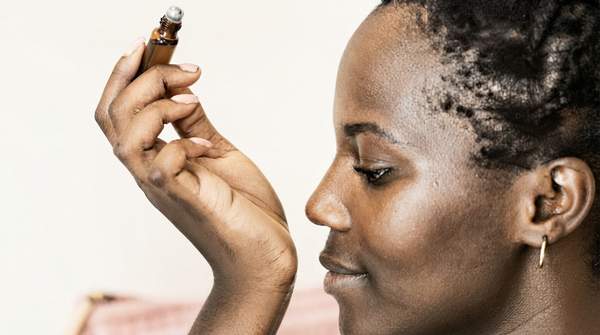
Hyper-personalization's granular, dynamic, and predictive approach provides the right product at the right time, fostering a deeply individual and symbiotic relationship between the consumer and their beauty routine.
How AI and Data Analytics Create Bespoke Beauty Routines
Artificial intelligence and sophisticated data analytics drive hyper-personalization, translating individual characteristics into concrete, actionable beauty plans. This process begins with gathering rich datasets far beyond surface-level observations, as brands employ innovative tools to understand customers on a near-cellular level.
One of the most visible methods is the use of AI-powered diagnostic tools. For example, as reported by xj-beauty.com, L’Oréal employs a digital skincare tool that analyzes a user-submitted selfie to assess skin concerns like wrinkles, radiance, and firmness, subsequently providing personalized product recommendations. These tools use computer vision to detect subtle indicators of skin health that might be invisible to the naked eye. Similarly, brands like Proven and SkinCeuticals utilize extensive online quizzes that ask about everything from diet and stress levels to the hardness of the water in a user’s home. This information creates a holistic snapshot of the factors influencing their skin or hair.
At the most advanced end of the spectrum, some clinics are incorporating genetic analysis. The SHA Wellness Clinic, for instance, uses genetic testing to understand a client's predispositions for certain aesthetic concerns, allowing them to create highly targeted wellness and beauty programs. While still a niche practice, it highlights the potential for a future where our DNA could inform our daily skincare regimen. This wealth of information—from selfies, surveys, purchase history, and even social media interactions—is then fed into machine learning models. The key ingredient here is the AI's ability to process and find meaning in these massive, complex datasets. It can identify which ingredients are most effective for someone with a specific skin concern living in a particular climate, a task that would be impossible for a human to perform at scale.
Hyper-personalized recommendations manifest as curated shopping carts of perfectly suited products, or in advanced cases, custom-formulated serums or foundations mixed on-demand. Augmented reality (AR) also plays a significant role; virtual try-on tools, common on beauty brand websites, allow consumers to experiment with dozens of makeup shades from home, personalizing the shopping experience and reducing online purchasing uncertainty.
The Role of AI in Personalized Skincare and Makeup Formulation
Beyond recommending existing products, AI fundamentally changes how beauty products are conceived and created. Its predictive capabilities accelerate research and development, enabling novel, custom formulations once considered science fiction. AI is the force making personalized products possible.
In the laboratory, AI algorithms can simulate molecular interactions, predicting how different ingredients will behave when combined and how effective a new formulation might be. This digital-first approach significantly reduces the time and resources required for traditional R&D, allowing scientists to focus on the most promising ingredient combinations. It can analyze vast libraries of botanical extracts, peptides, and acids to identify the optimal blend for addressing a specific concern, like hyperpigmentation in melanin-rich skin or rosacea flare-ups triggered by environmental pollutants. This predictive power allows for a new level of precision in product development.
This innovation is also fostering more sustainable and ethical beauty practices. According to an article in cosmeticsdesign.com, AI-powered beauty can deliver sustainable solutions. By creating highly effective, targeted products, hyper-personalization reduces the consumer cycle of trial and error. Many of us have a "graveyard" of half-used bottles and jars that didn't deliver on their promises. A personalized system minimizes this waste by increasing the likelihood that the first product you buy is the right one. This philosophy aligns with broader movements toward conscious consumption, such as the principles found in slow design, which prioritizes longevity and intentionality.
Perhaps the most exciting frontier is on-demand product creation. An example highlighted by SpaFinder is the Mink, a personal 3D makeup printer developed by Grace Choi. The device can print lipstick or eyeshadow in any color imaginable using cosmetic-grade ink, allowing a user to create a unique shade on the spot. While still an emerging technology, it points toward a future where our beauty products are not just selected for us, but created for us, in our own homes.
Why Hyper-Personalization Matters
Hyper-personalization represents a fundamental shift in our relationship with beauty, placing the individual at the industry's center. This empowers consumers to take control of their beauty and wellness authentically and effectively, with profound real-world impacts.
The most immediate benefit is efficacy. By moving away from generalized solutions, consumers receive products and routines designed to address their specific biology, lifestyle, and environment. This targeted approach increases the probability of seeing tangible results, ending the frustrating and costly search for the "holy grail" product. A survey by Bain & Co. found that 25-30 percent of online shoppers are actively seeking customization options, signaling a clear demand for products that deliver on their promises. For brands that get this right, the rewards are significant. The same McKinsey study that highlighted consumer expectations also found that companies excelling in personalization generate 40% more revenue from those activities than their counterparts.
Beyond performance, hyper-personalization fosters a sense of empowerment and inclusivity. It acknowledges that there is no single standard of beauty. Technology allows for the creation of foundation shades that match every skin tone perfectly or skincare that addresses the needs of people across different life stages and ethnicities. As Grace Choi, the inventor of the Mink printer, noted, this movement helps people understand that "the definition of beautiful should be in their control—not the corporation’s." It’s a powerful message that resonates deeply, particularly with younger generations like Gen Z who value individuality and self-expression.
Hyper-personalization encourages mindful, sustainable consumption. Products formulated specifically for an individual are more likely to be used and cherished, reducing waste and fostering a 'buy less, but better' mentality. Investing in a personalized, effective routine builds a streamlined, sustainable product collection, with each item serving a clear purpose.
Frequently Asked Questions
Is hyper-personalized beauty more expensive?
While some bespoke services and custom-formulated products can come with a premium price tag, hyper-personalization doesn't always mean more expensive. Many AI-powered diagnostic tools and quizzes are offered for free to help guide consumers to the right products within a brand's existing range. The long-term goal is often to provide value by increasing product efficacy, which can save consumers money by preventing wasteful spending on items that don't work for them.
How is my data used in personalized beauty?
Hyper-personalization uses AI algorithms powered by data points like skin type, lifestyle habits, environmental factors, and purchase history to build detailed user profiles. Reputable brands maintain transparent data practices and clear privacy policies, detailing how information is collected, stored, and used. Always review these policies before sharing personal data.
Can AI beauty tools replace a dermatologist?
AI beauty tools are not a substitute for professional medical advice. While sophisticated for analyzing skin characteristics and recommending cosmetic products, they cannot diagnose or treat medical skin conditions such as eczema, psoriasis, or cystic acne. Always consult a board-certified dermatologist for any medical skin concerns.
The Bottom Line
Harnessing AI and data, hyper-personalization redefines the beauty and personal care industry, shifting focus from mass-market products to individual-centric solutions. This technological evolution delivers more effective, efficient, and empowering beauty routines to consumers.
For the modern consumer, this means an opportunity to move beyond guesswork and build a regimen that is scientifically tailored to their unique needs, ultimately fostering a more confident and conscious approach to personal care.