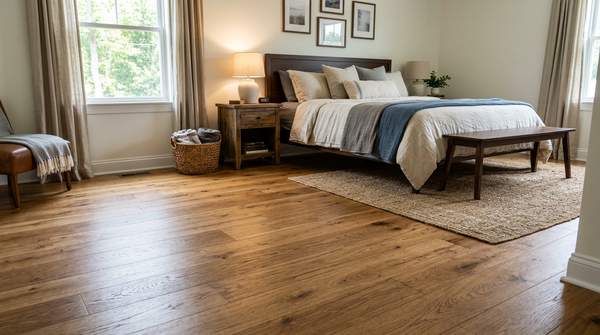
Hospital patients with a view to nature recovered faster and required less pain medication than patients with a view of a brick wall, a finding that revolutionized our understanding of healing environments. Robert Ulrich’s 1984 study showed this, according to In-Elements. This early research revealed a profound connection between natural environments and human recovery, suggesting that design choices directly influence health outcomes. Such findings challenged the prevailing utilitarian approach to institutional architecture, revealing the measurable human cost of neglecting natural elements.
The profound, measurable benefits of connecting people with nature in built environments are widely documented, but its widespread adoption as a design standard is still lagging. This disconnect persists despite clear evidence of significant economic returns through increased productivity and reduced healthcare costs.
Based on compelling evidence of improved health outcomes, increased productivity, and significant cost savings, biophilic design is poised to become an essential, rather than optional, component of future-proof architecture and interior planning. For more, see our Biophilic Design Principles: Urban Architecture.
What is Biophilic Design in Interior Spaces?
Biophilic design, a concept gaining traction in 2026, focuses on integrating natural elements and processes into the built environment to foster a deeper human connection with nature. This design philosophy recognizes the inherent human tendency to affiliate with natural systems, leveraging these connections to improve well-being within interior spaces. It moves beyond simple aesthetics, addressing fundamental human needs for natural interaction.
The principles of biophilic design for interior spaces can yield positive effects on health, including stress relief, lower blood pressure, and improved cognitive function, according to PMC. Furthermore, natural light supports the body's circadian rhythms, which regulate sleep-wake cycles and hormones, notes the BBC. Even short interactions with non-rhythmic sensory stimuli, such as the rustling of leaves or the sound of water, can measurably improve blood pressure and heart rate. Varied physiological responses—from cognitive benefits to improved heart rate—collectively demonstrate how deeply human biology is attuned to natural cues, making biophilic integration a fundamental health strategy.
Nature's Prescription: Healing Environments
In healthcare settings, biophilic design translates into tangible therapeutic improvements. Robert Ulrich’s seminal 1984 study, for instance, established nature’s role as an active agent in recovery processes, demonstrating faster patient recovery and reduced pain medication needs for those with natural views. This early research revealed a profound connection between natural environments and human recovery.
Beyond individual patient outcomes, biophilic hospital design can reduce hospitalization time, patient mortality, and pain levels, according to the Global Wellness Institute. It also significantly alleviates stress for healthcare providers, creating a more supportive environment for both patients and staff. Even subtle integrations of nature yield profound, measurable therapeutic effects, transforming healthcare spaces into active agents of recovery.
Beyond Wellness: Boosting Productivity and Inspiration
The impact of biophilic design extends beyond physical healing, significantly boosting productivity and fostering positive psychological states in professional environments. In a study of two UK and Netherlands offices, 'green' offices with plants made staff 15% more productive than 'lean' designs, as reported by the BBC. This quantifiable increase in output confirms the direct economic advantage of integrating natural elements into workspaces.
Additionally, exposure to biophilic design supports positive self-reported psychological states, including inspiration, according to PMC. This suggests that the tangible boost in productivity is not merely a result of improved focus, but also stems from a more inspired and positive psychological state, creating a virtuous cycle of well-being and output. These design choices enhance cognitive function and sustained engagement, transforming routine tasks into more stimulating experiences.
The Economic Imperative of Green Spaces
The financial returns on biophilic investments are substantial, making it a compelling, data-driven strategy for both corporate and public health sectors seeking efficiency and value. Companies failing to integrate biophilic design are actively neglecting a proven pathway to significant financial gains, effectively leaving thousands of dollars per employee on the table annually. Integrating views to nature into an office space can save over $2,000 per employee per year in office costs, according to Terrapin Bright Green. Furthermore, the healthcare industry, facing immense cost pressures, has a clear, underutilized tool in biophilic design to reduce patient recovery times, lower mortality, and alleviate provider stress, potentially saving over $93 million annually in healthcare costs. The figures reveal biophilic design as a powerful financial lever, not just a wellness perk, offering substantial returns across diverse sectors.
Common Questions About Biophilic Design
What are the benefits of biophilic design in homes?
Integrating biophilic elements into homes can significantly improve personal well-being, translating benefits like reduced stress and enhanced cognitive function into daily life. Even small interventions, such as placing a few houseplants or ensuring access to natural light, contribute to a more calming and restorative domestic environment. This subtle integration supports mental clarity and emotional balance for residents.
How can I incorporate biophilic design elements?
Incorporating biophilic design involves more than just adding plants; it includes maximizing natural light, using natural materials like wood and stone, and integrating water features for auditory comfort. Designers can also mimic natural patterns and forms, such as fractals, in textiles or architectural details to evoke a sense of the outdoors. Even selecting furniture with organic shapes can contribute to a biophilic aesthetic.
What are examples of biophilic interior design?
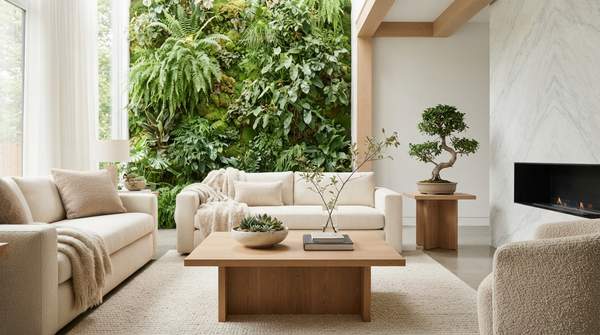
Examples of biophilic interior design range from living walls and indoor gardens to expansive windows offering direct views of green spaces. Other implementations include the use of natural ventilation systems that bring fresh air indoors, and the incorporation of biomorphic forms in furniture and decorative elements. Even subtle touches, like artwork depicting natural scenes or textiles with organic textures, exemplify biophilic principles.
If companies like Interface continue to set precedents by actively integrating biophilic principles, human-centric, nature-integrated design will likely transition from an option to a strategic imperative by 2026, unlocking significant economic and well-being value.