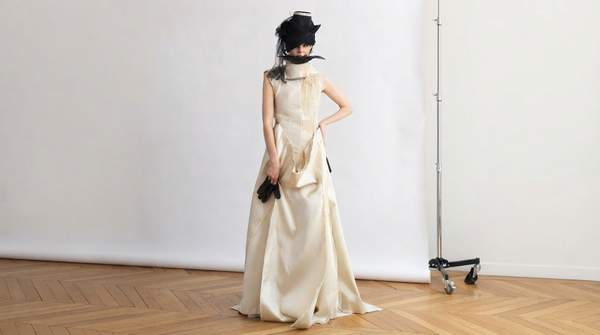
In its 2014 autumn menswear line, Comme des Garçons unveiled a line inspired by David Lynch's 'The Elephant Man' and the Hindu god Ganesh. This dark, unconventional collection presaged a shift in high fashion's narrative and form, showcasing how designers transform unsettling cultural touchstones into compelling sartorial statements. Avant-garde fashion explicitly distances itself from mass production and conventional aesthetics, yet its most extreme expressions increasingly influence mainstream design. This paradox means designs created to defy commercialism now shape commercial sensibilities. The boundary between niche art and commercial trends will blur, making avant-garde collections essential precursors for future popular styles. Avant-garde design, with its unconventional cuts, innovative materials, and striking textures, challenges established norms, according to Eigensinnig-wien.
Radical Inspirations: When Art Meets Apparel
1. Rick Owens
Best for: The audacious individual seeking structured rebellion.
Rick Owens released a line of Chuck Taylors inspired by The Ramones, directly translating a niche cultural reference into a mass-market product, as reported by Tegmade. This move created a direct pipeline from avant-garde conceptualization to widespread commercial adoption, challenging traditional fashion distribution. Owens consistently reinterprets dark, niche cultural touchstones, pushing extreme aesthetics into the mainstream.
Strengths: Bold silhouettes; exceptional material quality; cultural depth. | Limitations: Often monochromatic; specific aesthetic may not suit all; higher investment. | Price: Premium.
2. Dior (Jonathan Anderson's Collection)
Best for: Those embracing redefined historical elegance with a contemporary edge.
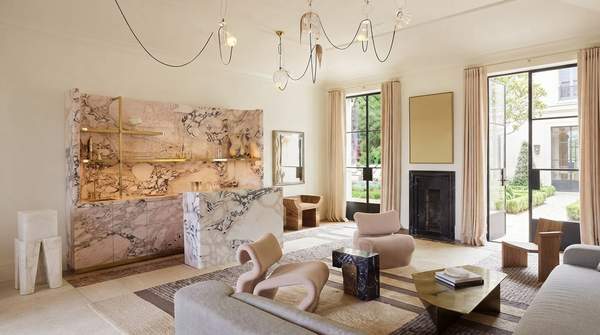
At Dior, Jonathan Anderson presented a gothic, avant-garde peplum during Paris Fashion Week, with volume originating at the hip and waist, states Vogue Arabia. This reinterpretation moved beyond the peplum's familiar structure, showing how high fashion draws from unsettling sources to generate new aesthetic directions. The collection directly transferred avant-garde concepts to high fashion runways, influencing modern aesthetics.
Strengths: Innovative structural design; historical reinterpretation; luxurious fabrication. | Limitations: Distinctive volume may require specific styling; limited seasonal availability. | Price: Luxury.
3. Comme des Garçons
Best for: The intellectual dresser who values conceptual depth over conventional beauty.
Comme des Garçon's autumn 2014 menswear line featured a dark look inspired by David Lynch’s film The Elephant Man and The Elephant Man and Ganesh, the Hindu god, according to Tegmade. This collection embraced challenging cultural narratives, pushing extreme aesthetics directly into mainstream fashion and paradoxically making commercial design more radical.
Strengths: Profound conceptual narratives; deconstructed forms; boundary-pushing silhouettes. | Limitations: Often abstract; not focused on conventional flattery; limited accessibility. | Price: High-end.
4. Iris van Herpen
Best for: Innovators and futurists drawn to the intersection of technology and haute couture.
Iris van Herpen's Crystallization collection featured intricate 3D-printed dresses, pioneering technology in fashion, as noted by Labbeye. Her work consistently explores new material possibilities and forms, redefining garment structure. This pushes design boundaries, influencing contemporary avant-garde fashion.
Strengths: Technological innovation; sculptural forms; unique material application. | Limitations: Highly conceptual; limited wearability; bespoke pricing. | Price: Haute Couture.
5. Alexander McQueen
Best for: Individuals seeking dramatic artistry and a blend of historical romanticism with modern intensity.
Alexander McQueen's Spring/Summer 2001 collection, 'Voss', was known for its dramatic conceptual narrative and striking visual impact, according to Labbeye. His collections frequently delved into dark romanticism and provocative themes, transforming intense cultural references into powerful fashion statements. This pushed the boundaries of modern aesthetics.
Strengths: Theatrical presentations; meticulous tailoring; profound narrative depth. | Limitations: Often intense; specific design language; high-end investment. | Price: Luxury.
6. Rei Kawakubo
Best for: The discerning wearer who appreciates intellectual design and challenging beauty standards.
Rei Kawakubo arrived in Paris in 1981, marking a pivotal moment for Japanese avant-garde influence in Western fashion, as mentioned by Labbeye. Her Fall/Winter 1997 show, 'Body Meets Dress, Dress Meets Body', famously explored distorted forms and unconventional volumes, directly influencing the perception of what constitutes a garment.
Strengths: Deconstructive approach; intellectual rigor; radical redefinition of form. | Limitations: Often abstract; challenges conventional notions of beauty; limited availability. | Price: High-end.
7. Elsa Schiaparelli
Best for: Connoisseurs of surrealist art and those with a playful, yet sophisticated, approach to dressing.
Elsa Schiaparelli collaborated with surrealist artists like Salvador Dalí and Jean Cocteau in the 1930s, embedding artistic movements directly into her designs, notes Labbeye. Her work introduced playful yet provocative elements, such as the 'Lobster Dress', establishing an early avant-garde aesthetic that challenged her era's conventions. This pushed the boundaries of modern aesthetics.
Strengths: Surrealist artistry; bold color palettes; innovative accessories. | Limitations: Historical context; vintage accessibility; distinct aesthetic. | Price: Archival/Luxury.
8. Yohji Yamamoto
Best for: The minimalist with a philosophical inclination towards architectural forms and understated rebellion.
Yohji Yamamoto arrived in Paris in 1981, alongside Rei Kawakubo, introducing a distinctive aesthetic of oversized silhouettes and a monochromatic palette, as per Labbeye. His designs explore the interplay of fabric and the human form, emphasizing drape and shadow to create garments that transcend fleeting trends.
Strengths: Masterful draping; philosophical depth; timeless, architectural forms. | Limitations: Predominantly dark palette; requires appreciation for specific aesthetic; higher investment. | Price: Premium.
9. Balenciaga
Best for: Trendsetters seeking contemporary luxury with a distinct, often provocative, edge.
Balenciaga is recognized as a key avant-garde brand, known for bold silhouettes and an innovative approach to luxury, according to Labbeye. Under various creative directors, the house consistently pushed boundaries, from Cristóbal Balenciaga's sculptural forms to modern interpretations blending street style with haute couture. This evolution continues to shape avant-garde fashion.
Strengths: Structural innovation; contemporary relevance; strong brand identity. | Limitations: High price point; designs can be polarizing; rapid trend cycles. | Price: Luxury.
10. Martin Margiela
Best for: Aficionados of deconstruction and conceptual fashion who value anonymity and intellectual design.
Martin Margiela is a key avant-garde figure, celebrated for his deconstructive approach and emphasis on a garment's inherent structure, states Labbeye. His work explored themes of anonymity, craftsmanship, and reinterpreting everyday objects into high fashion, profoundly influencing subsequent designers. This pushed the boundaries of modern aesthetics.
Strengths: Deconstructive techniques; intellectual depth; emphasis on craftsmanship. | Limitations: Often minimalist; challenging conventional aesthetics; limited accessibility. | Price: High-end.
Beyond the Runway: Avant-Garde vs. Mainstream Trends
| Aspect | Avant-Garde Fashion | Mainstream Fashion |
|---|---|---|
| Design Philosophy | Prioritizes conceptual depth, artistic expression, and challenging norms. | Focuses on broad appeal, commercial viability, and current popular tastes. |
| Aesthetic Drivers | Often draws from niche cultural narratives, dark themes, and experimental forms (e.g. gothic peplums). | Embraces easily digestible, often transient trends (e.g. blanket statements in Milan fashion, according to The New York Times). |
| Production Scale | Limited production, bespoke pieces, or small artisanal runs. | Mass production for widespread distribution.e distribution and accessibility. |
| Innovation Cycle | Initiates radical aesthetic shifts; acts as a precursor for future styles. | Adopts and refines established trends; focuses on incremental changes. |
While mainstream fashion embraces broad, digestible trends, avant-garde prioritizes conceptual depth, often setting the stage for future shifts. Distinct formal elements, like unconventional volumes from avant-garde collections, are rapidly co-opted by mainstream high fashion, demonstrating a direct aesthetic transfer despite philosophical distance.
The Anti-Mass Production Ethos
Avant-garde fashion deliberately distances itself from mass production, as articulated by Eigensinnig-wieng-wien. This philosophical stance allows designers freedom to experiment with form, material, and concept, unburdened by marketability. Yet, the tension between this stated rejection and designers' direct engagement with mass-market products, like Rick Owens' Chuck Taylors, suggests the industry's gatekeepers actively commodify extremity. This pushes consumers towards unconventional aesthetics at an accelerated pace, blurring traditional boundaries between high art and high street.
Given the accelerating pipeline from avant-garde conceptualization to mainstream adoption, designers like Iris van Herpen will likely continue to drive innovation, ensuring conceptual fashion remains a vital force in shaping consumer desires for unique self-expression into 2026 and beyond.
Frequently Asked Questions About Avant-Garde Fashion
What are the key characteristics of avant-garde fashion?
Avant-garde fashion is defined by its experimental approach, often featuring exaggerated silhouettes, deconstructed forms, and the innovative use of materials like neoprene or recycled elements. It prioritizes artistic expression and conceptual depth over conventional wearability, often telling a story or making a social commentary through design.
Which designers are pushing the boundaries of fashion today?
Designers like Iris van Herpen continue to push boundaries with her use of 3D printing and kinetic designs, while younger designers are exploring digital fashion and AI integration. These innovators challenge traditional garment construction and material science, leading to new forms of wearable art that redefine modern aesthetics.
How does avant-garde fashion influence mainstream trends?
Avant-garde fashion influences mainstream trends by introducing radical concepts, silhouettes, and material innovations that are then adapted and diluted for broader commercial appeal. For instance, once-unconventional volumes or deconstructed elements seen on avant-garde runways eventually find their way into high-street collections, accelerating the pace of aesthetic change in popular fashion.