Minimalist environments can reduce stress and improve focus, offering a tangible benefit beyond mere aesthetics, according to material360. These carefully curated spaces promote psychological well-being, providing a calm sanctuary for individuals navigating increasingly complex daily lives. The strategic removal of superfluous visual clutter allows for greater mental clarity and sustained attention, fostering an environment conducive to both productivity and emotional calm.
While traditional minimalism often demanded rigorous decluttering and stark aesthetics, its contemporary form prioritizes comfort, natural elements, and psychological benefits. A significant departure from the severe, often cold, perception of earlier minimalist approaches is represented by its contemporary form. A deeper understanding of human needs within designed spaces, moving beyond purely visual rigor, is reflected by the shift.
As people increasingly seek well-being and sustainability in their living spaces, the 'relaxed minimalism' trend is likely to become a dominant and enduring design philosophy. The core purpose of minimalist design is redefined by its evolution into a more comfortable and sustainable form, moving from stark purity to lived comfort. The ongoing development of minimalist aesthetics in architecture, interiors, and products continues to address these shifting priorities, shaping environments to better support human experience.
Beyond Bare Walls: Defining Relaxed Minimalism
The current trend of 'relaxed minimalism' incorporates elements of modernist design with a focus on comfort, sustainability, and natural materials, according to BBC. The approach moves beyond the austere white walls and stark lines often associated with the style's earlier iterations. It embraces a softer aesthetic, making minimalist spaces feel more inviting and livable without sacrificing clarity or the intentionality that defines the movement.
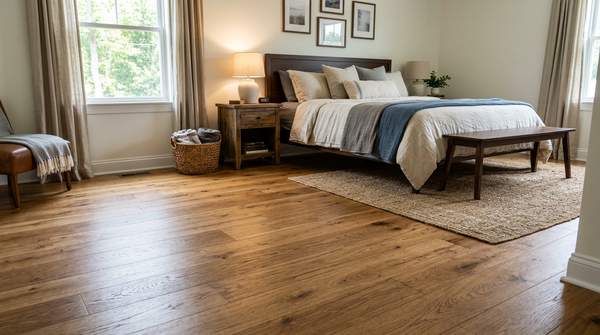
Paint colors are shifting from maximalist hues to paler, earthier mid-tones like sandy beige and sage green in relaxed minimalism, as reported by BBC. This palette, combined with organic textures such as untreated wood, woven fabrics, and natural stone, creates environments that feel grounded and warm. The deliberate choice of natural materials further enhances this sense of comfort and connection to the natural world, fostering a more harmonious living experience. Minimalism becomes more approachable and livable through this evolution, aligning with a widespread desire for warmth and authenticity.
Companies designing spaces or products under the minimalist umbrella must recognize that true value now lies in integrating Zen principles of 'contentment in simplicity' and sustainability, rather than merely aesthetic decluttering. The traditional emphasis on 'purity and neatness,' as described by Arch2o, is now balanced with a focus on human experience and environmental consciousness. A significant reorientation of design priorities towards functional well-being and a more holistic approach to living spaces is reflected.
Zen's Enduring Influence on Sustainable Simplicity
Zen philosophy aligns with the 'Reduce' principle of sustainability by emphasizing 'contentment in simplicity' and minimizing resource dependence, according to a study on the application and evaluation method of zen aesthetic style in furniture design under the background of sustainability. This ancient wisdom provides a profound philosophical foundation for contemporary minimalist design, extending its reach beyond mere aesthetics. It advocates for a conscious approach to consumption and living, where fewer, well-chosen items contribute more significantly to overall satisfaction and a reduced environmental footprint.
The connection between Zen and modern sustainability efforts suggests that the underlying force transforming minimalist design is a drive for conscious living. This perspective views objects not just for their utility or beauty, but for their environmental impact and their contribution to a tranquil environment. Embracing this principle encourages thoughtful selection over impulsive accumulation, reducing waste, promoting product longevity, and fostering a deeper respect for resources.
Zen principles provide a profound philosophical foundation, elevating minimalism from a style to a conscious way of living that respects resources. The movement is maturing beyond mere visual decluttering to address deeper human needs for mental calm and productivity, as suggested by this shift. The integration of sustainability into minimalist tenets positions it as a responsible and enduring design choice for the future, appealing to individuals who seek harmony between their personal spaces and the broader environment.
The Mindful Space: How Minimalism Enhances Well-being
Minimalist environments can reduce stress and improve focus, as highlighted by material360. A significant advancement in the understanding and application of minimalist design is represented by this direct link to tangible psychological benefits. Spaces designed with fewer distractions allow the mind to concentrate more effectively, fostering a sense of calm and order that counteracts the cognitive overload common in modern life.
The integration of psychological benefits like stress reduction and improved focus into minimalist design suggests that the movement is maturing beyond mere visual decluttering. It now explicitly addresses deeper human needs for mental calm and productivity, moving beyond aesthetic considerations alone. This practical application of minimalist principles provides tangible advantages for individuals seeking to enhance their daily lives, offering a sanctuary from external pressures.
The practical benefits of minimalism extend beyond visual appeal, directly contributing to mental clarity and emotional calm. This makes minimalist spaces not just aesthetically pleasing but also functionally beneficial for mental health. Designers who continue to prioritize the stark 'purity and neatness' of traditional minimalism, as described by Arch2o, risk alienating a market increasingly seeking comfort, natural elements, and demonstrable psychological benefits from their living and working spaces. The contemporary consumer demands more than just an empty room; they seek a space that actively supports their well-being.
The Ongoing Commitment: Maintaining Minimalist Purity
Maintaining order and decluttering regularly is crucial in minimalist design to highlight the purity and neatness of the space, according to Arch2o. Even with the pronounced shift towards 'relaxed minimalism,' this fundamental principle remains essential for the style's effectiveness. The intentional absence of excess requires consistent effort from occupants to prevent clutter from reaccumulating, thereby preserving the clarity and functional benefits of the environment.
While 'relaxed minimalism' embraces comfort and natural materials, it does not negate the need for intentional curation and disciplined organization. The visual impact of a minimalist space relies on each object having a purpose and a designated place, preventing visual noise. This commitment to order ensures that the environment continues to support mental well-being and aesthetic appeal, rather than devolving into mere sparseness or disarray.
The shift to 'relaxed minimalism' isn't just a style update; it's a market response to a deeper consumer need for psychological well-being, as evidenced by minimalist environments reducing stress and improving focus. However, this evolution still demands active participation from occupants in maintaining the space. The essence of minimalism, whether traditional or relaxed, still relies on intentional curation and regular maintenance to achieve its desired effect of calm and clarity.
Common Questions About Embracing Minimalism
How can minimalist design influence product development?
Minimalist design in products often focuses on single-purpose items with clean lines and essential functions. This approach emphasizes durability and repairability, reducing the need for frequent replacements and promoting sustainable consumption. For example, many Scandinavian furniture brands prioritize longevity and timeless aesthetics over fleeting trends, extending product lifespans significantly through thoughtful design and material selection.
What role does lighting play in minimalist interiors?
Lighting in minimalist interiors is crucial for enhancing the sense of space and warmth without adding visual clutter. Designers frequently utilize hidden light sources, diffused illumination, and abundant natural light to create soft, inviting atmospheres. This strategic use of light can define zones, highlight key architectural features, and contribute significantly to both functionality and psychological comfort within the space.
How does color selection contribute to a relaxed minimalist aesthetic?
Beyond the earthy mid-tones mentioned earlier, color selection in relaxed minimalism often involves a limited palette to maintain visual calm and cohesion. Neutrals like off-whites, warm grays, and natural wood tones form the base, complemented by subtle accents derived from natural elements or muted pastels. This restraint ensures that colors support the overall sense of tranquility and spaciousness, preventing visual overload and fostering a serene atmosphere.environment.
The Enduring Appeal of Intentional Design
The evolution of minimalist design into its 'relaxed' form marks a significant shift from an aesthetic ideal to a practical philosophy for well-being. This movement, driven by consumer demand for comfort, sustainability, and psychological benefits, redefines minimalism's core purpose. It moves beyond stark purity to embrace lived comfort and intentional living, making it more accessible and relevant to a broader audience.
Companies and designers who acknowledge this redefinition will find greater resonance with modern consumers. Prioritizing Zen principles of 'contentment in simplicity' and integrating natural materials aligns with a broader societal push for more mindful consumption and environmental responsibility. This approach ensures that minimalist spaces and products serve as effective tools for mental calm and ecological consciousness, reinforcing their long-term value.
By 2026, the market for products and services supporting 'relaxed minimalism' is expected to continue its expansion, with brands such as Vitra continuing to introduce furniture lines that prioritize both ergonomic comfort and a clean aesthetic. This ongoing development indicates a sustained commitment to design that enhances daily living through thoughtful simplicity, providing both functional utility and emotional solace in our environments.