Global fashion capitals' recent runway presentations and major fashion reports identify emerging 2026 fashion trends: tactile textures, retro-inspired silhouettes, and maximalist styling define the season.
Ahead of crucial sourcing events like July 2026 Texworld LA, which welcomes Interfilière, early indicators from recent European shows and Tokyo Fashion Week provide a vital first look. These observations offer a cohesive, if complex, vision of aesthetics and materials poised to shape upcoming collections, guiding designers, buyers, and tastemakers.
What We Know So Far
- According to a report from Harper's Bazaar Australia, five key trends are shaping the autumn/winter 2026 season: dropped waists, dark romance, styled collars, tactile textures, and a return to retro silhouettes.
- Dropped-waisted silhouettes, evoking a 1920s sensibility, were reportedly exemplified on the runways of Chanel, Alaia, and Erdem.
- Extreme layering, a concept dubbed 'layermaxxing,' was ubiquitous both on and off the runways at Tokyo Fashion Week 2026, as reported by The New York Times.
- The same report noted that outfits at Tokyo Fashion Week frequently showcased 'power clashing,' a deliberate and artful mashing of disparate patterns, prints, and colors.
- A 'dark romance' theme has been identified as a trend, featuring sheer black lace from houses like Khaite, Saint Laurent, and Fendi, and Baroque florals from Simone Rocha, Erdem, and Givenchy.
- Tactile textures, particularly furs and feathers, are being embraced for AW26, with 'Cruella' style coats appearing at Tom Ford and Louis Vuitton, and fur-trimmed collars at Burberry.
What are the Top Emerging Fashion Trends for 2026?
The 2026 fashion forecast coalesces around a duality: historical forms paired with a disruptive, almost chaotic approach to personal styling. This tension between structured elegance and expressive maximalism means silhouettes are reconsidered with architectural precision, while garment combinations become radically individualistic, creating a sartorial landscape both deeply considered and thrillingly spontaneous.
Harper's Bazaar Australia identifies a directional shift grounded in five distinct aesthetic movements. One, 'dark romance,' unfolds with spectral elegance: sheer black lace at Khaite and Saint Laurent, and moody, opulent Baroque florals at Simone Rocha and Givenchy. This sophisticated exploration of shadow, light, fragility, and strength, rendered in textiles, creates clothing with rich, almost literary depth, each detail contributing to an enigmatic story.
The 2026 wardrobe sharpens its profile with a focus on specific, defining details. The styled collar rises as a key focal point, manifesting in asymmetrical collars at Issey Miyake, elevated rollnecks at Celine and Acne Studios, and reinterpreted historical ruffs at Dior and Alexander McQueen. This transforms the neckline into a statement of intent, signaling a return to considered, lasting design.
Tokyo Fashion Week, held this month after the Paris shows, revealed a street and runway style defined by audacious self-expression, as reported by The New York Times. 'Layermaxxing,' or extreme layering, was ubiquitous: a studied art of composing outfits with multiple, often contrasting, pieces. Alongside, 'power clashing'—the intentional mixing of bold patterns and vibrant colors—challenged conventional harmony, finding beauty in dissonance and personal curation. These trends signal a move toward pluralistic, playful fashion.
Key Silhouettes and Fabrics Dominating 2026 Runways
For 2026, clothing architecture is re-examined to alter perceived body proportions. The dropped waist, identified in reports, is most notable: this 1920s-sensibility silhouette lengthens the torso, introducing languid, almost melancholic grace. Its appearance at Chanel and Alaia confirms its significance. This departs deliberately from dominant high-waisted, leg-lengthening forms, suggesting a desire for a new, relaxed, subtly androgynous posture.
Texture, too, is paramount. The emerging trends are not just to be seen, but to be felt. A profound interest in tactile surfaces is evident in the reported embrace of furs and feathers for the autumn/winter season. The so-called 'Cruella' coats at Tom Ford, Louis Vuitton, and Michael Kors, and the fur-trimmed collars at Burberry, are not just about luxury; they are about a sensory experience. These materials add a dimension of wildness and primal comfort to otherwise structured garments. This focus on tactility extends to the gossamer sheerness of lace seen in the 'dark romance' trend, creating a dialogue between what is concealed and what is revealed, the soft and the severe.
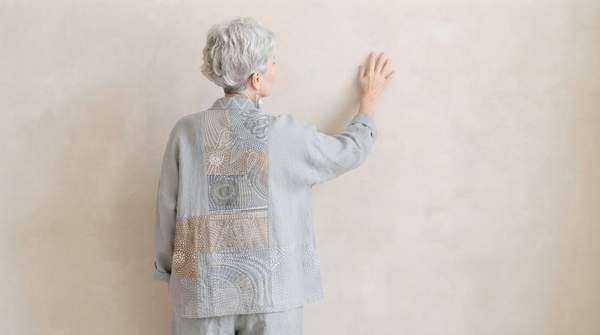
This material conversation is further enriched by the Japanese design sensibilities observed at Tokyo Fashion Week. The city's designers continued to display hallmarks of Japanese fashion, including relaxed silhouettes and innovative constructions. This approach, often favoring drape and volume over restrictive tailoring, complements the maximalist styling of 'layermaxxing.' It provides the foundational canvas—the oversized shirts, wide-leg trousers, and fluid coats—upon which complex, multi-layered outfits can be built. The interplay between these voluminous, often minimalist Japanese forms and the exuberant 'power clashing' of prints creates a dynamic and globally resonant aesthetic for 2026.
What We Know About Next Steps
The industry's focus now shifts toward the realization of these emerging trends in commercial collections and material sourcing. The trends identified on the runways of Tokyo and in European fashion analyses will inform the development and buying decisions for the upcoming seasons.
A confirmed milestone on the industry calendar is the July 2026 edition of Texworld LA. According to a report from Fibre2Fashion, the event will welcome Interfilière, a significant trade show for lingerie, swimwear, and activewear materials. This gathering will be a key venue where fabric and textile trends are presented, providing a concrete link between runway concepts and the raw materials that will bring them to life.