Beauty

What Is Clean Beauty? A Guide to Ingredients, Sustainability, and Ethics

Clean beauty is a growing movement focused on safer, more ethical personal care. Discover its core principles, including ingredient transparency, ethical sourcing, and sustainability, to make informed choices.

SM
Sofia Mendes

April 7, 2026 · 9 min read

An artfully arranged collection of clean beauty products on a sunlit bathroom counter, showcasing minimalist design, natural ingredients, and a serene, eco-conscious aesthetic.

The global clean beauty market is projected to reach $22 billion by 2024, according to a report cited by Refinery29. This projection highlights the term's shift from a niche interest to a mainstream force. As 'clean beauty' now adorns countless bottles and jars, promising a safer, more ethical approach to daily routines, its growing presence on store shelves also fuels confusion about its true meaning. For consumers, this movement signifies a demand for greater awareness and responsibility in personal care.

The rise of clean beauty directly responds to a growing consumer desire for transparency and wellness-oriented products. Shoppers are increasingly curious about the ingredients in their serums, the sourcing of their lipsticks, and the environmental impact of their empty containers. This demand for healthier, more responsible options has pushed the industry to reconsider long-standing formulation and marketing practices. Yet, without a formal, regulated definition, navigating this space and making informed choices remains a complex undertaking.

What Does "Clean Beauty" Actually Mean?

Clean beauty is a movement centered on cosmetic and skincare products generally understood to be free from potentially harmful chemicals and ingredients. Its philosophy extends beyond mere avoidance, emphasizing transparency in labeling, ethical sourcing, and a commitment to human and environmental health. This represents a conscious approach to what we apply to our bodies. Similar to reading nutritional labels on food to avoid certain additives, clean beauty encourages a comparable mindfulness for skincare, makeup, and hair care products.

Crucially, the term "clean beauty" is not regulated. Neither the U.S. Food and Drug Administration (FDA) nor any other government agency provides an official definition or certification for it. This lack of oversight means that the standards for what qualifies as "clean" can vary significantly from one brand to another. According to a report in Refinery29, "clean beauty" is a subjective, self-regulated term that serves as an umbrella for other concepts like "natural," "non-toxic," and "green," which are also not formally defined by the FDA for cosmetics. This ambiguity places the responsibility on brands to define their own standards and on consumers to do their research.

Despite the lack of a universal standard, a consensus has formed around several key pillars defining the clean beauty movement. Brands and retailers in this space typically adhere to a philosophy built on:

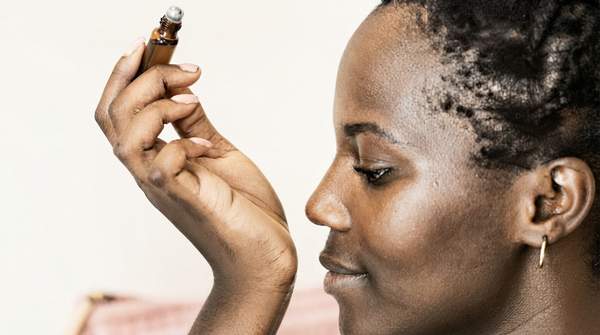
  • Ingredient Safety: The primary focus is on creating products without ingredients that are known or suspected to have harmful health effects. This often involves compiling a "free-of" list, explicitly stating which common chemicals are excluded from their formulations.
  • Label Transparency: Clean beauty champions clear, honest, and easy-to-understand ingredient lists. The goal is to empower consumers to know exactly what they are applying to their skin, moving away from vague terms like "fragrance," which can hide dozens of unlisted chemicals.
  • Ethical Practices: The concept extends beyond ingredients to encompass the entire product lifecycle. This includes ethical sourcing of raw materials, cruelty-free production methods (no animal testing), and fair labor practices throughout the supply chain.
  • Sustainability: While not always a required component, a strong connection exists between clean beauty and environmental responsibility. Many clean brands prioritize eco-friendly packaging, sustainable sourcing, and manufacturing processes that minimize their carbon footprint. This aligns with a broader trend of conscious consumption, where purchasing decisions reflect a wider set of values.

Clean Beauty Ingredients: What to Look For and What to Avoid

The ingredient list lies at the heart of clean beauty, a movement born from a desire to eliminate specific synthetic chemicals that have raised concerns among consumers and researchers. While the science on many ingredients continues to evolve, the clean philosophy adopts a precautionary principle: potential risks are best avoided. According to the Skin Science Institute, clean beauty products are often formulated without common substances such as parabens, sulfates, phthalates, synthetic fragrances, and formaldehyde.

The following ingredient categories are most frequently excluded:

  • Parabens (e.g., methylparaben, propylparaben): Widely used as preservatives to prevent the growth of bacteria and mold in cosmetics. Concerns have been raised about their potential to disrupt hormone function.
  • Phthalates (e.g., DBP, DEHP): Often used to make plastics more flexible, they can also be found in synthetic fragrances and hairsprays to help scents and formulas last longer.
  • Sulfates (e.g., Sodium Lauryl Sulfate (SLS) and Sodium Laureth Sulfate (SLES)): These are cleansing agents that create a rich lather in products like shampoos, body washes, and face cleansers. They can be stripping and cause irritation for some skin types.
  • Formaldehyde and Formaldehyde-Releasers: Used as a preservative in a variety of cosmetics. It is a known carcinogen and can cause skin irritation and allergic reactions.
  • Synthetic Fragrances: The single word "fragrance" or "parfum" on a label can represent a complex mixture of dozens or even hundreds of undisclosed chemicals, including potential allergens and phthalates. Clean brands often opt for essential oils, plant extracts, or fragrance-free formulations instead.

In the absence of federal regulation, retailers have stepped in to create their own definitions. According to Refinery29, major beauty sellers like Ulta Beauty and Sephora have established their own "Clean at" programs, each with a specific list of banned ingredients. For a product to earn their "clean" seal, its formulation must be free from every substance on that list. For instance, Ulta’s program excludes around 24 ingredients, while Sephora’s list contains over 35. This retail-led standardization provides a helpful, though still unofficial, benchmark for consumers.

It is important to note, however, that a "clean" label does not automatically equate to "chemical-free" or "more effective." As the Skin Science Institute points out, a product marketed as clean is not necessarily free of chemicals—as water itself is a chemical—nor is it guaranteed to contain effective active ingredients. The term simply signals an adherence to a specific formulation philosophy. As one of my colleagues in the industry often notes, the efficacy of any product, clean or conventional, depends entirely on its specific formulation and how it interacts with an individual's skin.

Is Clean Beauty Sustainable and Ethical?

While ingredient safety was the initial catalyst for the clean beauty movement, its scope has expanded to encompass broader concerns about the planet and its inhabitants. The philosophy now deeply intertwines with principles of sustainability and ethical production, reflecting a holistic view of what it means for a product to be truly "clean." A product's journey from raw material to bathroom shelf involves a complex web of environmental and social impacts, and the clean movement seeks to address these at every step.

On the sustainability front, packaging is a primary focus. The beauty industry has historically been a major contributor to plastic waste, with many products housed in single-use, non-recyclable containers. In response, many clean beauty brands are leading the charge toward more sustainable alternatives. This includes using recycled and recyclable materials like glass, aluminum, and post-consumer recycled (PCR) plastics. Some innovative brands are also introducing refillable systems, biodegradable packaging, and "waterless" solid-form products to dramatically reduce both packaging waste and the carbon footprint associated with shipping.

Ethical considerations are another cornerstone of the modern clean beauty ethos. For many consumers, a "clean" product must also be a "kind" one. This is most visibly expressed in the commitment to being cruelty-free. According to the Skin Science Institute, a large number of clean beauty brands have chosen not to test their products on animals, providing consumers with an ethical choice that aligns with their values. Many seek third-party certifications like the Leaping Bunny logo to formally verify their cruelty-free status. This commitment often extends to the ingredients themselves, with a preference for vegan formulations that avoid all animal-derived products, such as beeswax, lanolin, and carmine.

Furthermore, as detailed by Axiology, a leading clean beauty brand, the concept is built on transparent and ethical sourcing. This means ensuring that raw materials, especially botanical ingredients like mica, shea butter, and palm oil, are harvested in a way that is environmentally sustainable and socially responsible. It involves working with suppliers who provide fair wages and safe working conditions for their laborers, actively avoiding practices linked to deforestation, habitat destruction, and human rights abuses. This dedication to a transparent and ethical supply chain is what elevates clean beauty from a simple marketing trend to a comprehensive movement rooted in conscious consumerism.

Why Clean Beauty Matters

At its core, the clean beauty movement matters because it represents a fundamental shift in power. For decades, the beauty industry operated with a significant information imbalance, with consumers having little insight into product formulations or business practices. The rise of clean beauty, fueled by consumer demand and digital transparency, has changed that dynamic. It has empowered individuals to ask questions, demand better standards, and make purchasing decisions that reflect their personal health concerns and ethical values.

This movement is fundamentally about conscious consumerism. It encourages a more mindful approach, transforming the act of buying a moisturizer or mascara from a simple transaction into an informed choice. Whether a consumer's priority is avoiding potential endocrine disruptors, supporting brands that do not test on animals, or minimizing their environmental footprint, the clean beauty space offers options that cater to those values. It provides a framework for aligning the contents of one's makeup bag with a broader vision for personal and planetary well-being.

For those new to the concept, making the switch can feel overwhelming. However, experts suggest a gradual approach. According to a guide on Oprah Daily, it is perfectly acceptable to transition to clean products in phases. A practical way to start is by replacing the products you use most frequently or those that cover the largest surface area of your skin, such as body lotion, foundation, or daily sunscreen. This methodical approach allows you to discover what works for you without the pressure of a complete and immediate overhaul. Over time, these small, intentional swaps can culminate in a routine that feels not only effective but also deeply aligned with your principles.

Frequently Asked Questions

Is 'clean beauty' regulated by the FDA?

No, the term 'clean beauty' is not defined or regulated by the U.S. Food and Drug Administration (FDA) or any other government agency. Its definition is determined by brands, retailers, and third-party organizations, leading to a lack of a single, universal standard across the industry.

Does 'clean' mean the same thing as 'natural' or 'organic'?

Not necessarily. While these terms are often used together, they have different meanings. "Natural" typically implies ingredients are sourced from nature, but it is also an unregulated term. "Organic" refers to ingredients grown without synthetic pesticides or fertilizers, and it can be officially certified by the USDA, but this certification applies more to agricultural ingredients than to the final cosmetic formulation. "Clean" is a broader philosophy that focuses on the safety of both natural and synthetic ingredients, often excluding specific substances regardless of their origin.

Are clean beauty products always better for you?

A "clean" label indicates a product is made without certain ingredients of concern, but it does not automatically guarantee it is more effective or safer for every individual. Skin sensitivities and allergies can occur with any ingredient, whether natural or synthetic. The primary benefit of the clean movement is the increased transparency and the focus on avoiding potentially harmful, rather than definitively harmful, ingredients, allowing consumers to make more informed choices based on their personal risk tolerance and skin needs.

How can I tell if a product is truly 'clean'?

Since the term is unregulated, it requires some investigation. Start by reading the full ingredient list and looking for specific chemicals you wish to avoid. Research the brand's philosophy on its website, where they often publish their "free-of" list and sourcing ethics. Look for third-party certifications, such as Leaping Bunny for cruelty-free or EWG Verified for ingredient safety. Finally, consider shopping with trusted retailers that have their own vetted "clean" programs, as they have already done some of the screening work for you.

The Bottom Line

Clean beauty represents a consumer-driven movement demanding greater safety, transparency, and responsibility from the cosmetics industry. While its definition remains fluid and unregulated, the movement's core principles provide a valuable framework for making more conscious and informed decisions.

Ultimately, clean beauty empowers consumers to scrutinize labels, question ingredients, and choose products that align not only with their beauty goals but also with their personal values for health and ethics.