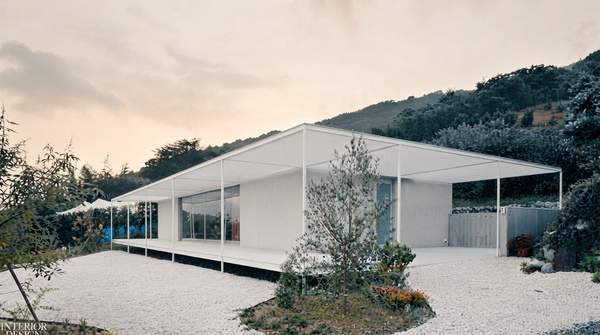
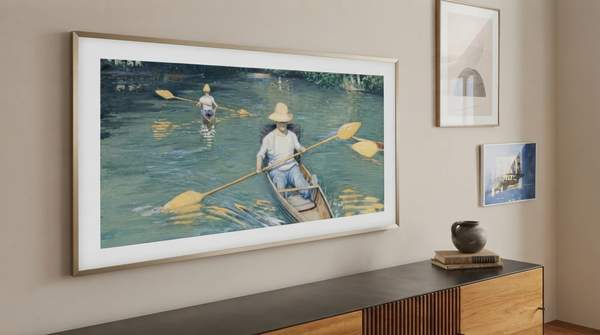
How does a space achieve a sense of profound calm while remaining functional and warm? The principles of Japandi design, a thoughtful hybrid of Japanese and Scandinavian aesthetics, offer a compelling answer. This approach moves beyond mere decoration to cultivate an environment of intentionality and tranquility. It is a quiet rebellion against clutter and excess, proposing instead a curated life where every object serves a purpose and contributes to a feeling of peace. The growing interest in this style reflects a collective desire for homes that function not just as shelters, but as sanctuaries from the complexities of the outside world.
Japandi design represents a confluence of two distinct yet remarkably similar design philosophies, separated by thousands of miles but united by a shared reverence for simplicity, nature, and craftsmanship. On one side is the Japanese concept of wabi-sabi, which finds beauty in imperfection and transience. On the other is the Scandinavian notion of hygge, a feeling of cozy contentment and well-being derived from enjoying the simple things in life. The result of this fusion is a style that is at once minimalist and inviting, disciplined and organic. In an era of constant connectivity and consumerism, Japandi offers a blueprint for a more considered way of living, where our surroundings support our mental and emotional well-being.
What Is Japandi Design?
Japandi design is an interior aesthetic that merges the smooth, modern lines of Scandinavian design with the sleek, functional elegance of the Japanese minimalist philosophy. It is not simply a 50/50 split, but a new entity born from shared values. Think of it as a dialogue between two cultures that have long perfected the art of living well with less. The Scandinavian side brings its emphasis on practicality, light, and comfort, while the Japanese side contributes its deep respect for tradition, nature, and the beauty of handcrafted, imperfect objects. The resulting spaces are clean and uncluttered yet feel deeply personal and warm, striking a delicate balance between stark minimalism and rustic coziness.
This hybrid style is built on a foundation of mutual principles that make the fusion feel natural rather than forced. Both traditions prioritize function, revere natural materials, and champion quality craftsmanship over disposable trends. According to the design resource Castlery, the style thoughtfully blends Japanese philosophies like Wabi-Sabi (the acceptance of imperfection) and Shinrin-Yoku (finding calm through nature) with Scandinavian concepts like Hygge (a quality of deep comfort) and Lagom (the art of perfect balance). This synthesis creates interiors that are both soothing and practical. The core components of this approach include:

- Minimalism and Functionality: A focus on clean lines, uncluttered spaces, and furniture that is both beautiful and highly practical.
- Natural Materials: An extensive use of wood, bamboo, stone, paper, and natural textiles like linen, wool, and cotton.
- Neutral Color Palettes: A reliance on earthy, muted tones that evoke a sense of calm and connection to the natural world.
- Craftsmanship and Imperfection: An appreciation for well-made objects and the unique character of handmade items, including their flaws.
- Indoor-Outdoor Connection: A deliberate effort to bring nature indoors through plants, natural light, and views of the outdoors.
What are the core principles of Japandi design?
To truly understand Japandi is to look beyond its visual characteristics and explore the philosophical principles that guide its application. These principles are less a set of rigid rules and more a mindset focused on creating spaces that are intentional, serene, and deeply connected to the natural world. They are the invisible architecture that gives the style its substance and enduring appeal, transforming a room from a collection of objects into a holistic environment for living.
The first and most central principle is intentional minimalism. This is not the cold, sterile minimalism of a gallery but a warmer, more human-centric version. Every piece of furniture, every decorative object, and even the empty space itself is carefully considered. The goal is to eliminate the superfluous to make room for what is truly essential or beautiful. This "less is more" approach reduces visual noise, allowing for a calmer mental state. An object is included only if it serves a clear function or brings a specific, quiet joy. This principle encourages a more mindful relationship with our possessions, shifting focus from quantity to quality and from passive accumulation to active curation.
Flowing from this is the principle of uniting form with function. In both Japanese and Scandinavian traditions, there is no hierarchy between beauty and utility; the most beautiful objects are often those that perform their function perfectly. Furniture is chosen for its clean, simple lines and its ergonomic comfort. Storage solutions are elegant and integrated, designed to conceal clutter without disrupting the visual harmony of the space. This principle ensures that a Japandi home is not just an aesthetic statement but a highly livable, practical environment. The object speaks for itself through its utility and its graceful form, requiring no further embellishment.
A profound connection to nature is another foundational pillar. This manifests in the prominent use of natural, sustainable materials that engage the senses. The grain of an oak table, the texture of a linen curtain, or the smoothness of a ceramic vase are all essential parts of the experience. This connection is further strengthened by bringing plants indoors, not as random accents, but as deliberate sculptural elements. Large windows are often left bare to maximize natural light and frame views of the outdoors, blurring the line between the interior and the exterior world. This biophilic approach grounds the space and fosters a sense of tranquility.
Finally, Japandi design is defined by its embrace of imperfection, a concept drawn directly from the Japanese philosophy of wabi-sabi. This principle celebrates the beauty found in asymmetry, age, and the marks of the handmade process. It finds value in a slightly uneven ceramic bowl, a piece of reclaimed wood with a rich patina, or a handwoven textile with minor irregularities. This acceptance of imperfection adds a layer of soul and authenticity to the minimalist aesthetic, preventing it from feeling sterile or mass-produced. It is a reminder that beauty lies not in flawless uniformity but in character, history, and the quiet dignity of an object that has been made and used with care.
Key elements of Japandi interior style
Japandi design translates its principles into physical spaces through a deliberate selection of materials, colors, and forms. These elements create an atmosphere of understated elegance and serene comfort, achieved by careful editing and thoughtful layering where each component contributes to harmony and balance.
Japandi interiors are founded on a neutral and earthy color palette, warmer and more complex than Scandinavian bright whites and cool grays. Rooted in nature, the palette includes soft beige, oatmeal, stone grey, off-white, and muted browns. Castlery notes this contrasts with brighter Scandinavian interiors by using a warmer, earthier mix of light and dark woods. Sparingly used accent colors are also nature-inspired: muted greens, soft terracotta, or deep indigo. This subtle scheme creates a calming backdrop, allowing textures and forms to take center stage. Apartment Therapy reports designers favor eight specific colors for their instant calming effect.
Japandi design emphasizes natural and sustainable materials, chosen for visual appeal and tactility. Wood is paramount, characteristically mixing light Scandinavian woods (oak, maple, ash) with darker Japanese woods (walnut, stained cedar) for depth and visual interest. Beyond wood, Grain & Frame notes bamboo, paper (in lighting), and rattan add texture and an organic feel. Natural textiles like linen, cotton, wool, and hemp provide softness and warmth.
Japandi furniture features simple lines and clean forms, selected for minimalist silhouettes and exceptional craftsmanship. Interior designer Jeremiah Brent, in Vogue, highlights craftsmanship, texture, and balance as central. Pieces often mix curved and straight lines for dynamic harmony. A common Japanese tradition is low-profile furniture—low-slung sofas, coffee tables, bed frames. Grain & Frame notes this creates openness and connection to the earth, enhancing a serene, grounded atmosphere.
Japandi's minimalist aesthetic is enriched by the thoughtful use of texture, adding depth, warmth, and sensory richness. This incorporates the Scandinavian concept of hygge. Texture is introduced via nubby wool blankets, rough-hewn ceramic dishes, jute rugs, or visible wood grain. These tactile elements prevent clean lines and neutral palettes from feeling cold, inviting touch and creating subtle visual complexity for a layered, comfortable, lived-in space.
The Enduring Appeal of Japandi
Japandi design's growing popularity reflects contemporary cultural shifts toward mindfulness, sustainability, and well-being. More than an aesthetic, the style proposes a philosophy for intentional, balanced living, addressing a fundamental need for calm and order in a chaotic world.
Japandi design aligns with sustainability and conscious consumption by prioritizing high-quality, natural materials and timeless craftsmanship. It encourages investing in pieces built to last generations, countering fast furniture and disposable trends. This "less but better" focus reduces waste and promotes responsible relationships with home objects. Choosing a single, well-made wooden table over cheaper alternatives is an aesthetic and ethical decision resonating with consumers.
Japandi design directly addresses mental and emotional well-being. Its uncluttered spaces, calming color palettes, and nature connection reduce stress and promote tranquility, making the home a sanctuary for disconnection and recharging. Curating a Japandi space, carefully considering each item's purpose, is a form of mindfulness. This process encourages deeper awareness of surroundings and their effect on mood and productivity, transforming decorating into meaningful self-care.
Frequently Asked Questions
What is the difference between Japandi and minimalist design?
Japandi is a specific type of minimalist design, but with key distinctions. While both prioritize simplicity and uncluttered spaces, Japandi introduces a significant degree of warmth and texture through Scandinavian influence. It also embraces the Japanese concept of wabi-sabi, finding beauty in imperfection, which contrasts with some forms of pure minimalism that can feel stark or clinical. Japandi uses warmer, earthier color palettes and a rich mix of natural materials to create a more inviting and soulful environment.
Can you mix and match Japandi with other styles?
Yes, the foundational elements of Japandi—its neutral palette, clean lines, and focus on natural materials—make it a versatile base that can be blended with other aesthetics. It pairs particularly well with Mid-Century Modern design, which shares its appreciation for organic forms and quality craftsmanship. It can also be softened with bohemian elements like textured textiles and a greater abundance of plants, as long as the core principles of simplicity, functionality, and an uncluttered feel are maintained.
Is Japandi design expensive to achieve?
It can be, as the style places a high value on authentic, natural materials and quality craftsmanship, which often come at a higher price point. However, the core philosophy of "less is more" provides a pathway to achieving the look more affordably. Rather than filling a room quickly, the Japandi approach encourages acquiring fewer, better pieces over time. One can focus on investment items like a well-made sofa or dining table while keeping other elements simple, prioritizing quality and longevity over quantity and disposability.
What are the main philosophies behind Japandi?
Japandi design is a synthesis of distinct cultural philosophies. From the Scandinavian side, it incorporates hygge, which is the pursuit of coziness, comfort, and contentment, and lagom, the principle of "just the right amount" or perfect balance. From the Japanese side, it is deeply influenced by wabi-sabi, the worldview centered on accepting transience and finding beauty in imperfection, and shinrin-yoku, which emphasizes the calming, restorative power of connecting with nature.
The Bottom Line
Japandi design is ultimately more than a fusion of two aesthetics; it is a philosophy for creating a home that nurtures and restores. By blending Japanese reverence for nature and imperfection with Scandinavian comfort and functionality, it offers a timeless blueprint for intentional living. The result is a space that is not only visually serene but also deeply resonant and supportive of a calmer, more mindful existence.
To begin incorporating its principles, start not with buying, but with subtracting. Declutter your space to create visual quiet, then introduce one or two key elements—a simple wooden bench, a textured linen throw, or a single, beautiful ceramic piece—to feel the immediate impact of its thoughtful, minimalist approach.