Design

Mixed Metals Kitchen Design Emerges as Top Trend for 2026

Mixed metals are emerging as a top kitchen design trend for 2026, offering homeowners an accessible way to personalize their spaces. This aesthetic encourages a curated, layered look, moving away from monochromatic palettes.

LB
Luca Bianchi

April 7, 2026 · 6 min read

A stylish modern kitchen featuring a blend of mixed metal finishes, including brass faucets, stainless steel appliances, and black cabinet pulls, creating a sophisticated and personalized aesthetic.

By 2026, the mixed metals kitchen design trend is expected to see widespread adoption as an emerging aesthetic for home interiors, highlighted by designers.

This development signals a significant shift in interior design philosophy, moving away from the strict, monochromatic palettes that have dominated recent years. The immediate consequence is a more accessible and affordable path for homeowners to personalize their most-used spaces. The trend encourages a curated, layered aesthetic, liberating interiors from outdated rules that once dictated that all metallic finishes must match. According to one report from nationaltoday.com, the old approach was "a bit like the old rule that shoes, purses, and belts had to coordinate. Predictable and dated."

What We Know So Far

  • Designers are highlighting the combination of different metal finishes as an emerging kitchen upgrade trend, with nationaltoday.com suggesting it will be the biggest of 2026.
  • Homeowners are combining complementary metallic tones like silver, black, gold, and bronze for an eclectic, curated aesthetic.
  • The aesthetic is described as affordable and easy to implement in existing kitchens, according to a report from Good Housekeeping.
  • To maintain cohesion, designers recommend selecting two or three complementary finishes and assigning them to distinct 'zones' within the kitchen, nationaltoday.com states.

Why are mixed metals trending in kitchen design?

Mixed metals in kitchen design reflect a broader cultural shift in home interiors, departing from a decade of stringent minimalism, according to nationaltoday.com. Homeowners increasingly seek personal, layered spaces with a collected, nostalgic feel over stark uniformity. The kitchen, as the functional and social heart, has become the primary canvas for this new expression of personality.

This aesthetic pivot is driven by a desire for accessible customization. "People are looking for more personalized yet easy updates in 2026," one source noted in the nationaltoday.com report. Mixing metals offers a straightforward and cost-effective method to achieve a high-impact update without committing to a full-scale renovation. Swapping out cabinet hardware, a faucet, or a light fixture can fundamentally alter the character of a space. This affordability lowers the barrier to entry, allowing more people to participate in contemporary design conversations and tailor their environment to their liking.
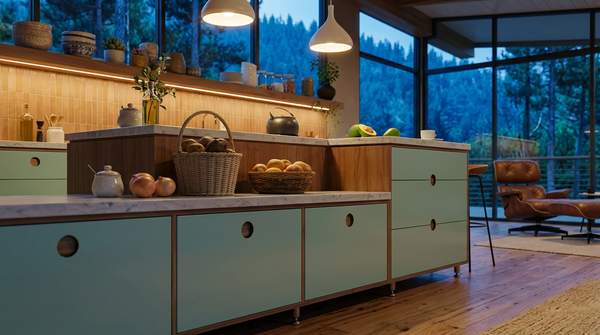

Furthermore, the trend represents a growing confidence among homeowners to break established design conventions. The singular-metal approach, while safe, is now often perceived as lacking depth and character. By intentionally combining finishes like warm brass with cool stainless steel, or industrial matte black with polished nickel, the design introduces visual tension and sophistication. It transforms functional elements like handles and taps into deliberate stylistic choices, creating a kitchen that feels thoughtfully assembled over time rather than specified from a single catalog page.

How to incorporate mixed metals into your kitchen design

Successfully executing a mixed metals kitchen design requires a clear, intentional strategy, moving beyond a random assortment of finishes. Designers recommend a thoughtful curation of tones and textures via a structured method to ensure a cohesive, sophisticated look. The first step involves selecting a dominant metal to serve as the primary finish, often tied to larger elements such as appliances or the main sink faucet.

From there, one or two accent metals can be introduced in smaller doses. According to nationaltoday.com, a key principle is to choose complementary finishes that share similar undertones. For instance, warm-toned metals like brass, gold, and bronze pair harmoniously. Similarly, cool-toned metals such as chrome, nickel, and stainless steel work well together. Matte black acts as a versatile neutral, capable of grounding either a warm or cool palette, creating a modern, graphic contrast that has become particularly popular.

Another effective technique is to assign different finishes to distinct 'zones' based on function. For example, all plumbing fixtures—the main faucet and pot filler—could be finished in matte black. Meanwhile, all cabinet hardware, including pulls and knobs, could be in a warm brushed brass. Lighting fixtures, such as pendants over an island, might then introduce a third finish or echo one of the primary choices. This method creates a visual logic, ensuring the different metals feel purposeful and contribute to a balanced composition.

Texture also plays a crucial role in adding depth. A combination of finishes, such as a brushed or satin primary metal with a polished or hammered accent, can create subtle visual interest. The interplay between light-reflecting and matte surfaces adds a tactile dimension to the design. This focus on varied textures aligns with the broader trend toward creating interiors that are not just visually appealing but also rich in sensory detail, making the kitchen a more dynamic and engaging space.

Best mixed metal combinations for contemporary kitchens

While the possibilities are vast, several key combinations have emerged as particularly effective in contemporary kitchen design. These pairings balance contrast and harmony to create distinct moods, from dramatic and modern to warm and transitional. Understanding the character of each combination allows for a more targeted approach to achieving a desired aesthetic. Each pairing leverages the unique qualities of the metals to enhance cabinetry, countertops, and overall architectural style.

One of the most popular and high-impact pairings is matte black and brass. The deep, neutral base of matte black provides a strong anchor, allowing the warmth and luster of brass or gold to stand out as a sophisticated accent. This combination works exceptionally well in both all-white kitchens, where it adds a graphic punch, and in kitchens with dark or colored cabinetry, where it creates a moody, luxurious atmosphere. It is often used with matte black on faucets and hardware frames, while brass is reserved for cabinet pulls and statement lighting.

For a softer, more industrial-inspired look, designers often pair stainless steel with warmer metals like gold or copper. The cool, utilitarian feel of stainless steel appliances is instantly elevated and personalized with the addition of warm-toned hardware or fixtures. This prevents the kitchen from feeling overly clinical and adds a layer of visual warmth. The combination is particularly effective with natural materials like wood cabinetry or stone countertops, bridging the gap between professional-grade function and comfortable living.

The following table outlines several proven combinations and the aesthetic they typically produce:

CombinationDominant VibeBest For
Brass & Matte BlackModern, DramaticWhite or dark cabinetry, minimalist designs
Stainless Steel & GoldWarm IndustrialWood tones, stone countertops, open-plan spaces
Bronze & Polished NickelClassic, TransitionalCream, gray, or navy blue color palettes
Copper & Matte BlackRustic, BoldConcrete surfaces, exposed brick, farmhouse styles

What Happens Next

As the mixed metals trend gains momentum heading into 2026, its evolution will be a key area of focus for the design industry. The immediate next step will likely be seen in manufacturing and product availability. Brands specializing in kitchen hardware, plumbing fixtures, and lighting are expected to expand their collections, offering a wider array of finishes and textures designed explicitly to be mixed and matched. We may see more curated product suites that suggest harmonious, pre-selected combinations for consumers.

The trend is also poised to move beyond the current palette of brass, black, and steel. Designers anticipate the introduction of more unconventional materials and finishes into the kitchen space. This could include patinated metals that showcase age and character, colored finishes on aluminum or steel, and the integration of less common metals like pewter or zinc. This expansion will offer even greater opportunities for personalization and unique expression.

Several open questions remain. The primary one is whether mixing metals will solidify its status as a timeless design principle or remain a defining trend of this specific era. Its longevity will depend on its ability to adapt and avoid oversaturation. Furthermore, it remains to be seen how this aesthetic will influence other areas of the home. As the kitchen continues to be a trend-setting space, the principles of curated, multi-finish design may soon become standard in bathrooms, living areas, and beyond, signaling a permanent end to the era of rigid, match-all decorating.