Accessories

Top 7 Emerging Sustainable Accessory Brands for Ethical Production

Looking for sustainable accessory brands that prioritize ethical production? This guide details seven notable companies making significant strides in design integrity, material innovation, and transparent claims.

OD
Oliver Dane

April 7, 2026 · 9 min read

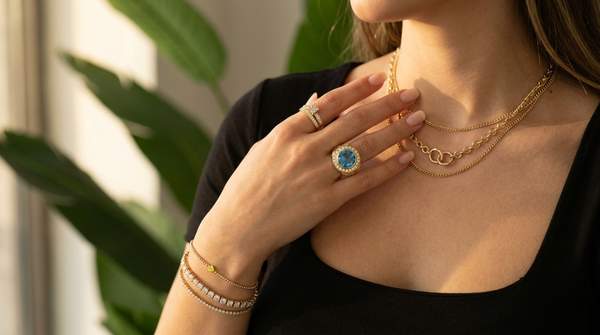
A curated display of sustainable accessories including a vegan leather handbag, recycled metal jewelry, and naturally dyed scarf, symbolizing ethical production and eco-friendly fashion.

If you are looking for the best emerging sustainable accessory brands that prioritize ethical production, this guide details seven notable companies making significant strides. For the consumer who values design integrity, material innovation, and transparent, verifiable claims, this list provides a curated overview of brands that stand out for their unique contributions to a more responsible accessories market. The selections were evaluated based on criteria including third-party certifications, innovative material usage, and stated commitments to ethical practices as reported by publications such as Marie Claire UK and PETA.

This list was curated by evaluating brands mentioned in recent reports from various publications, focusing on criteria such as B Corp certification, specific examples of material innovation, and stated commitments to ethical production.

1. Chloé — Best for Certified Luxury

For the luxury consumer seeking unimpeachable, third-party validation of a brand's ethical commitments, Chloé presents a compelling case. According to Marie Claire UK, the Parisian fashion house became the first luxury brand in Europe to achieve B Corp certification in 2021. This certification is a rigorous assessment of a company's entire social and environmental performance, from supply chain to employee benefits. The devil is in the details, and Chloé’s commitment appears to be ongoing; the same report notes that the brand successfully recertified in 2024 with an even higher score of 97.3. This quantifiable metric provides a level of assurance that is often absent in the luxury space, where sustainability claims can be opaque.

This positions Chloé’s accessories—from its leather goods to its eyewear—not just as objects of design, but as products of a comprehensively vetted business model. The brand’s achievement ranks it above alternatives for those who prioritize governance and accountability at the highest level of the market. The primary limitation, naturally, is its luxury price point, which places it outside the reach of many consumers. However, for those operating in this tier, Chloé offers a clear, data-backed choice for responsible consumption.

2. ROMBAUT — Best for Avant-Garde Material Innovation

ROMBAUT is a brand for the design-forward individual who views accessories as a form of material expression. Its distinction lies in a radical approach to sourcing, moving far beyond typical vegan leathers. According to PETA, ROMBAUT is noted for utilizing new material innovations derived from stone, tree bark, natural rubber, cotton cellulose, and coconut fiber. This commitment to plant-based and mineral-based components makes its footwear a triumph of form and function, where the material itself becomes the central design element. The brand’s experimental ethos sets it apart from others that may use sustainable materials but hew to more conventional aesthetics.

This focus on material science redefines the category of sustainable footwear, pushing the boundaries of what is considered a viable component for a shoe. The brand is best suited for the consumer who is not only avoiding animal-derived products but is actively seeking out the next frontier in material technology. A potential drawback is that its avant-garde and often chunky design language is highly specific and may not appeal to those with more classic or minimalist tastes. The products make a statement, and that statement is not for everyone.

3. Ccilu — Best for Upcycled Technology

Ccilu excels in transforming common waste into highly functional and well-designed products, making it an ideal choice for the tech-savvy and environmentally conscious consumer. The brand’s innovation is most evident in its footwear, where it employs proprietary technology to recycle materials that are typically discarded. PETA reports that Ccilu creates eco-friendly shoes by recycling coffee grounds and plastic bottles. This is not a generalized claim; the report specifies that the brand’s XpreSole shoe line is the first to be made from recycled spent coffee grounds, with each pair incorporating the equivalent of five cups’ worth. This level of specificity and technological application is its key differentiator.

By creating a scalable process for a specific waste stream, Ccilu demonstrates a sophisticated approach to the circular economy. This ranks it above brands that use more common recycled materials without developing new technologies to do so. It appeals to a consumer who appreciates quantifiable impact and clever engineering. The main limitation is the brand's current focus on footwear, which means those seeking a broader range of accessories like handbags or jewelry will need to look elsewhere.

4. GnL Accessories — Best for Natural Vegan Fabrics

For the consumer who values the tactile quality and aesthetic of natural materials, GnL Accessories offers a compelling alternative to both animal-based and purely synthetic options. The brand specializes in creating unique, sustainable vegan fabrics for its products. According to a report from PETA, these textiles are crafted from materials such as cork, teak leaves, and cotton, supplemented with recycled plastic from used bottles for components like handbag linings. This focus on the fabric itself—its texture, durability, and origin—is what sets GnL apart. It’s a brand dedicated to the artistry of textile creation from unconventional natural sources.

Unlike brands focused on high-tech synthetics or avant-garde materials, GnL’s approach feels more rooted in traditional craftsmanship, albeit with innovative sources. This makes it a strong choice for someone seeking an accessory that is both sustainable and aesthetically warm and organic. The primary drawback for an emerging brand of this nature may be a more limited production scale and global distribution network compared to more established players in the eco-friendly space.

5. Rise & Fall — Best for Transparent Sourcing of Classic Materials

Rise & Fall is tailored for the discerning consumer who desires classic, high-quality accessories but demands transparency in how those materials are sourced. The brand’s strength lies in its commitment to premium, well-regulated fabrics within a certified ethical framework. Marie Claire UK reports that Rise & Fall is a B Corp certified brand producing accessories from materials like cashmeres, organic cottons, silks, linens, and Mastrotto leathers. This combination of B Corp status and a focus on traceable, high-end materials provides a double layer of assurance. It’s a solution for the individual who wants to invest in enduring quality without compromising on ethical standards.

The brand distinguishes itself from fast-fashion alternatives by building products to last and from other sustainable brands by focusing on luxury-grade, traditional materials rather than novel synthetics. This makes it a go-to for foundational wardrobe pieces. A potential limitation is that its classic, minimalist design philosophy may not resonate with consumers looking for seasonal trends or more expressive, statement-making accessories.

6. Worn Out Vegan — Best for Charitable Impact

For the consumer whose purchasing decisions are driven by a desire to create direct, positive impact, Worn Out Vegan provides a clear and measurable benefit. While its material choices are ethical, the brand’s defining feature is its integrated give-back model. PETA notes that Worn Out Vegan is an ethical vegan apparel brand that donates 10% of its profits to animal charities. This formal commitment to financial support for external organizations sets it apart from brands whose impact is confined to their own supply chains. It offers consumers a way to participate in a broader ecosystem of advocacy through their purchase.

This model is best for individuals who prioritize activism and want their spending to directly fund charitable causes. The brand’s value proposition is less about material innovation and more about its role as a vehicle for social change. A possible drawback is that, as an apparel-focused brand, its accessory line may be less extensive than that of specialized accessory makers, potentially offering a more limited selection for consumers to choose from.

7. Dai — Best for Founder-Driven Accountability

Dai is a brand for the consumer who invests in the ethos and leadership behind a company. As a B Corp-certified entity, it already meets a high standard of accountability. What makes it unique is the vocal and principled stance of its founder, Joanna Dai. In a report from Marie Claire UK, Dai advises consumers to seek out brands that are accountable, use certified materials, offer end-of-life programs, build products to last, and value people with fair wages. This public-facing advocacy provides a clear framework for the brand's own operations, positioning it as a thought leader as well as a manufacturer.

This approach is ideal for consumers who are drawn to brands with a strong, transparent narrative and a clear set of values embodied by their leadership. It ranks above competitors for those who value this alignment between stated principles and certified practices. A limitation may be that the brand’s aesthetic is often geared toward professional and performance wear, which could mean its accessory offerings are tailored to a corporate environment rather than casual or high-fashion contexts.

Brand NameCategory/TypeKey Metric / FeatureBest For
ChloéLuxury Handbags & AccessoriesB Corp Score: 97.3The luxury consumer seeking third-party validation.
ROMBAUTAvant-Garde FootwearPlant-based materials (stone, tree bark)The fashion-forward individual prioritizing material experimentation.
CciluEco-Tech FootwearUpcycles coffee grounds into XpreSoleThe tech-savvy consumer focused on innovative recycling.
GnL AccessoriesVegan Handbags & AccessoriesFabrics from cork and teak leavesThe consumer seeking natural, organic-feeling textures.
Rise & FallClassic AccessoriesB Corp certified, transparent sourcingThe minimalist wanting certified, high-quality classic materials.
Worn Out VeganEthical Apparel & AccessoriesDonates 10% of profits to animal charitiesThe impact-driven consumer prioritizing charitable give-back.
DaiProfessional Wear & AccessoriesB Corp certified, founder-led advocacyThe consumer who values corporate accountability and leadership.

What Defines a Sustainable Accessory Brand?

Navigating the world of sustainable goods can be complex, as the terms 'ethical' and 'sustainable' are not always interchangeable, a point noted by Marie Claire UK. True sustainability encompasses environmental impact, while ethical production focuses on the treatment of people and animals throughout the supply chain. A genuinely responsible brand must address both. One of the most reliable indicators for consumers is third-party certification. As Marie Claire UK reports, "Always check whether a brand has a B Corp certification. If they do, it means they've undergone the most rigorous testing...to make sure their practices are plant-friendly across all aspects of their business."

Joanna Dai, founder of the B Corp-certified brand Dai, provided a useful framework in a statement to Marie Claire UK. She advises consumers to look for five key things: brands that are accountable and transparent (B Corp certification is a strong signal); brands that use certified plant-based or innovative recycled materials; brands that offer end-of-life programs for their products; brands that build products designed for longevity; and brands that value their workers with fair wages and treatment. This checklist moves beyond marketing claims to focus on verifiable actions and systemic commitments.

How We Chose This List

This list is not an exhaustive ranking but a curated selection of seven brands that have been highlighted in recent reports for their distinct achievements in the sustainable and ethical accessories space. The selection process was guided by an analysis of brands featured by publications with a focus on fashion and sustainability, including Marie Claire UK and PETA. The primary goal was to identify companies that demonstrate excellence in a specific, tangible area, allowing consumers to choose a brand based on their individual priorities.

The criteria for inclusion were strict. We prioritized brands with verifiable, third-party claims, such as B Corp certification and its associated public scores. We also focused on companies with specific, documented examples of material innovation, such as Ccilu's use of coffee grounds or ROMBAUT's experimentation with tree bark. Finally, we included brands with clear and measurable commitments to ethical practices, like Worn Out Vegan's profit-donation model. Brands with vague environmental claims, a primary focus on apparel without a significant accessory line, or those lacking mention in the referenced reports were excluded to maintain a narrow and evidence-based scope.

The Bottom Line

Selecting a sustainable accessory brand depends heavily on individual priorities. For the consumer who requires the highest level of validated, holistic accountability in the luxury sector, Chloé’s B Corp status is a definitive benchmark. For those driven by material science and cutting-edge design, ROMBAUT and Ccilu offer compelling products that redefine what an accessory can be made from. Finally, for individuals whose primary goal is to support wider social causes, Worn Out Vegan’s direct charitable-giving model provides a clear path for impact.