Design

What Is Biophilic Design? A Guide to Creating Healthier Spaces

Biophilic design is a philosophy that integrates natural themes into our environments, based on the human connection to nature. Explore how this approach is shaping healthier and more harmonious spaces.

LB
Luca Bianchi

March 31, 2026 · 9 min read

A serene living room showcasing biophilic design with large windows, abundant green plants, natural wood furniture, and soft lighting, creating a calming, nature-integrated space.

In a 2017 survey, 67% of college students reported experiencing more than average or tremendous stress. This figure, highlighted in a study published by the National Center for Biotechnology Information, points to a pervasive modern condition. As our lives become increasingly urbanized and digitally mediated, a subtle yet significant disconnect from the natural world grows. It is within this context that biophilic design principles and applications for healthy spaces emerge not as a fleeting trend, but as a necessary response—a quiet, considered philosophy for reintegrating nature into the fabric of our daily environments.

Our homes and offices are not passive containers; they actively shape our mental and physical health. The quality of light, the texture of a surface, and the view from a window all profoundly contribute to our state of being. Biophilic design offers a structured approach to shaping these environments, moving beyond simple aesthetics to deliberately create spaces that actively support human well-being by honoring our innate connection to the natural world.

What Is Biophilic Design?

Biophilic design is a philosophy that integrates natural themes and elements into built environments, based on the deeply ingrained human connection to nature. The term "biophilia," meaning "love of life," suggests an instinctive bond between human beings and other living systems. The design philosophy, therefore, is not about merely decorating with nature, but about creating a holistic ecosystem where the architecture and the inhabitant exist in a more harmonious relationship. It is an intentional effort to address our modern-day "nature deficit" by crafting spaces that speak to our evolutionary preference for natural settings.

Think of it as composing a symphony rather than just playing a single note. A lone potted plant in a sterile office is a solitary note—pleasant, but limited in its impact. Biophilic design, in contrast, orchestrates a full composition of light, space, material, and life. It considers how these elements interact to create a cohesive, restorative experience. According to the publication Scandinavian Designs, the core elements of this approach form a foundational toolkit for designers and architects. These components include:

  • Natural Materials and Textures: Prioritizing organic, minimally processed materials connects a space to the outside world. Surfaces like solid wood, rattan, wicker, and stone ground an interior with an authentic, tactile quality.
  • Indoor Greenery: The most direct application involves integrating living plants, from small potted ferns to expansive living walls or vertical gardens. This adds vitality, purifies the air, and introduces dynamic, living forms into a static environment.
  • Maximizing Natural Light: Light is a fundamental biological need. Biophilic design emphasizes large windows, skylights, and reflective surfaces to ensure that natural light can penetrate deep into a building, syncing our circadian rhythms and improving mood.
  • Water Elements: The presence of water—whether through a small indoor fountain, a reflecting pool, or even the sound of it—can have a profoundly calming effect, reducing stress and enhancing a sense of tranquility.
  • Earthy Color Palettes: Colors drawn from nature, such as muted greens, soft blues, and warm earth tones, create a serene and cohesive visual environment that mimics the palette of the natural landscape.
  • Open and Airy Layouts: Spatial design that allows for clear sightlines and mimics the open vistas found in nature can create a sense of freedom and safety, countering the claustrophobia of enclosed, artificial spaces.
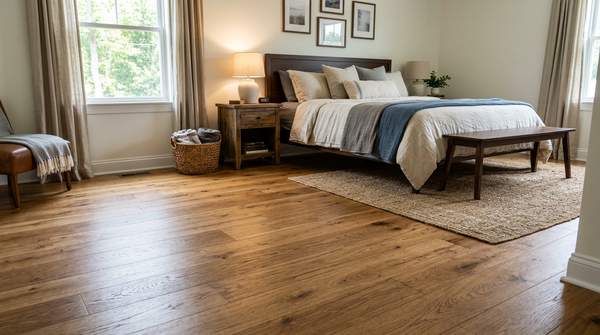

Key Elements and Patterns of Biophilic Design Explained

Beyond core elements, biophilic design's sophistication lies in applying its established patterns. This framework incorporates nature's abstract qualities and rhythms, not merely its literal inclusion. The consulting firm Terrapin Bright Green famously outlined 14 distinct patterns that guide designers, typically grouped into three main categories, each addressing our connection to nature in a different way.

The first category, "Nature in the Space," concerns the direct, physical presence of nature in an environment. This is the most commonly understood aspect of biophilic design. It includes the visual connection with nature, such as a window with a view of a park or a garden. It also encompasses non-visual connections, like the sounds of birds, the scent of flowers, or the feeling of a cool breeze. The presence of water, dynamic and diffuse light that mimics the dappling of sunlight through trees, and a direct connection with natural systems (like seasonal changes) all fall under this classification. The object speaks for itself; a living wall is not a symbol of a forest, it is a piece of one.

The second category, "Natural Analogues," involves the use of indirect representations of nature. These are objects, materials, patterns, and colors that evoke nature through mimicry. A tabletop made from a single slab of live-edge wood, for example, retains the organic form of the tree it came from. A carpet with a pattern that resembles rippling water or a fabric printed with botanical motifs are other examples. According to an article in Healthcare Design Magazine, contemporary biophilic design often leans heavily on these patterns and textures, using psychological principles to mimic conventions seen in nature. This approach allows for the integration of biophilic principles in environments where direct access to nature is impractical.

The third and most subtle category is "Nature of the Space." This set of patterns addresses our spatial responses to the environment, shaped by our evolutionary history. It includes concepts like "Prospect," which refers to an unimpeded view over a distance, creating a sense of safety and control. It also includes "Refuge," a place of withdrawal where one can feel protected, like a high-backed chair or a cozy alcove. Other patterns in this category are "Mystery," which uses partially obscured views to entice the mind to explore further, and "Risk/Peril," which offers the thrill of a perceived danger—like a glass balcony—while ensuring actual safety. These spatial considerations are fundamental to creating environments that feel both stimulating and secure.

How Biophilic Design Improves Health and Well-being

The aesthetic appeal of biophilic design is clear, but its most compelling value lies in its documented impact on human health. Environments that incorporate these natural attributes have demonstrated a capacity to produce significant physiological and psychological benefits. The core premise is that by aligning our built environments with our innate biological preferences, we can reduce the chronic stressors of modern life. Form follows function, but feeling is equally important. When a space feels right, it is often because it is satisfying a deep, evolutionary need.

Scientific research increasingly supports these claims. Studies have shown that exposure to natural environments, even through something as simple as viewing pictures of them, can positively impact the parasympathetic nervous system. This is the part of the nervous system responsible for the "rest and digest" response, which helps the body calm down and recover from stress. By activating this system, biophilic spaces can help lower heart rate, reduce blood pressure, and decrease levels of the stress hormone cortisol. This can lead to improved cognitive functioning and enhanced attention, as mental resources are freed from managing stress.

The psycho-evolutionary theory (PET), cited in medical journals, offers a compelling explanation for these effects. It posits that we are genetically predisposed to respond positively to natural settings because they contain attributes—like the presence of water, spatial openness, and vegetation—that signaled survival for our ancestors. A view of a river or a wide-open savanna was inherently reassuring, indicating resources and a clear line of sight to spot predators. Though we no longer face the same threats, our brains are still wired to interpret these signals as indicators of safety and calm, triggering a restorative psychological response.

The application of these principles in healthcare settings provides some of the most powerful evidence of their efficacy. In behavioral health environments, for instance, biophilic design can be instrumental in fostering a sense of safety and promoting healing. The strategic use of natural light, views of nature, and organic materials can help reduce patient agitation and support emotional regulation. By creating spaces that are less institutional and more restorative, designers can contribute directly to therapeutic outcomes, demonstrating that the built environment is not just a backdrop for care but an active component of the healing process itself.

Why Biophilic Design Matters

In a world of manufactured surfaces and sealed windows, biophilic design is a philosophy of reconnection. Its importance extends beyond individual buildings to influence our approach to urban planning, workplace culture, and personal well-being. It challenges us to reconsider what makes a space functional, arguing that a truly efficient environment is one that sustains not only our productivity but also our health. The real-world impact is a shift from designing for mere shelter to designing for human flourishing.

In the workplace, companies are recognizing that biophilic offices are not a luxury but a competitive advantage. Spaces with ample natural light, living plants, and natural materials have been linked to increased productivity, higher levels of creativity, and reduced absenteeism. Employees in such environments often report greater job satisfaction and lower levels of stress. By investing in a biophilic workplace, organizations are investing in the health and resilience of their most valuable asset: their people.

At home, the application of biophilic design can transform a residence into a sanctuary. It encourages a more mindful selection of materials and a greater emphasis on the quality of space and light. Incorporating these ideas can be as simple as arranging furniture to maximize a view, choosing linens made from natural fibers, or cultivating a small indoor herb garden. These small, deliberate choices accumulate, creating a domestic environment that promotes relaxation and balance. The goal is to craft a home that restores our energy rather than depletes it.

On a larger scale, biophilic principles are being integrated into sustainable housing developments and urban design. Green roofs, community gardens, and parks that are woven into the urban grid are all expressions of biophilic thinking. These initiatives help manage stormwater, reduce the urban heat island effect, and provide crucial habitats for local wildlife. More importantly, they provide residents with daily access to nature, fostering a stronger sense of community and promoting public health. Biophilic design, therefore, matters because it offers a tangible, scalable framework for building healthier, more resilient, and more harmonious communities for the future.

Frequently Asked Questions

What is the difference between biophilic design and just adding plants?

While adding plants is a component of biophilic design, the philosophy is much broader. Biophilic design is a holistic approach that integrates a wide range of natural elements and patterns, including natural light, water, organic materials, earthy color palettes, and spatial configurations that mimic nature. It is about creating a comprehensive ecosystem, whereas simply adding plants is a singular decorative act.

Can biophilic design be implemented on a small budget?

Biophilic design uses principles, not expensive materials. Simple, low-cost strategies can prove highly effective: maximizing natural light by removing heavy curtains, arranging furniture to face a window, using nature-inspired color palettes, incorporating natural textures like wood and stone, and introducing nature's sounds, such as a small tabletop fountain.

What are the main goals of biophilic design?

Biophilic design aims to reduce stress, improve cognitive function and creativity, and enhance overall occupant health. It achieves this by creating a strong connection to nature within the built environment, addressing our innate human need to affiliate with the natural world, and ultimately designing restorative, inspiring, and health-supportive spaces.

Is biophilic design a new trend?

Though "biophilic design" is a recent term, its underlying concept is profoundly ancient. For millennia, humans built shelters with local, natural materials, orienting homes for sunlight and natural ventilation. From ancient Roman courtyard gardens to traditional Japanese intricate woodwork, integrating nature into buildings is a timeless human endeavor.

The Bottom Line

More than an aesthetic, biophilic design is a framework that supports our intrinsic human need for nature. It asserts built environments should weave nature's patterns and elements into our lives, not isolate us. Thoughtfully integrating natural light, materials, and forms creates spaces that function well and foster genuine health and well-being.