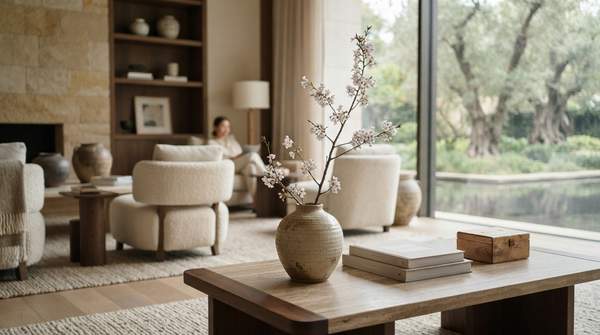
A number of luxury brands are increasingly utilizing coffee table books, reportedly transforming these objects from decorative accents into sophisticated marketing tools and status symbols, according to a report from Social Life Magazine.
Luxury brands are strategically exploring physical media, positioning books as curated artifacts in consumers' homes. These tangible objects offer a lasting presence in a sector often dominated by ephemeral digital content, communicating a brand's core values, aesthetic principles, and commitment to quality long after a digital advertisement has been forgotten.
What We Know So Far
- Coffee table books have reportedly evolved from simple home decor items into powerful branding instruments within the luxury market, according to Social Life Magazine.
- For industries where aesthetics are the primary product—such as fashion houses, architecture studios, and wellness brands—these books serve as a strategy to extend the brand experience.
- The report notes that this approach aims to turn what might have been a simple catalog into a desirable, collectible object that reflects the owner's taste.
- A key advantage of premium printed books is their physical persistence; they are touched, revisited, and displayed to guests, creating a lasting impression in a way digital content subject to "scroll fatigue" does not.
- An interior designer noted in the report that a beautifully produced book communicates a firm's standards and level of work before a conversation even begins.
- The concept was reportedly demonstrated by pioneering luxury publishers like Assouline, which was founded in Paris in 1994 and showed that a book could function as both a cultural artifact and a brand statement.
Why Luxury Brands Are Embracing Coffee Table Books
Online impressions are fleeting due to "scroll fatigue," creating an opening for more permanent communication, according to Social Life Magazine. Luxury brands are responding with coffee table books, offering a tactile, enduring alternative that integrates into a person's home. This establishes a brand presence independent of algorithms or screen time, relying instead on physical placement and personal curation.
This strategy is particularly relevant for industries where the product itself is an aesthetic statement. The report identifies fashion houses, wellness brands, architecture studios, and fine art dealers as sectors leveraging this approach. For these businesses, a coffee table book is more than just marketing material; it is an extension of the brand's world. It serves as a vessel for storytelling, showcasing craftsmanship, design philosophy, and the intricate details that define luxury. The objective is to elevate a collection of images from a mere catalog into a collectible artifact, an object that holds value and significance on its own, much like a piece from a brand's main collection. This aligns with the principles of creating a cohesive personal aesthetic, an idea central to guides on how to curate a personal fashion collection.
How Coffee Table Books Serve as a Powerful Marketing Tool
Unlike a digital advertisement, a coffee table book is an object that lingers, as noted by Social Life Magazine. It is designed for sensory engagement—to be touched, its pages turned, its weight and texture experienced—creating a deeper, more memorable brand connection. The book occupies a physical space in a home—on a coffee table, a bookshelf, or a console—acting as a constant, subtle reminder of the brand's existence and aesthetic universe. This permanence offers a distinct advantage in a crowded media landscape.
Furthermore, these books facilitate a unique form of social sharing. They are often revisited and, importantly, shown to guests. In this context, the book becomes a conversation piece and a status symbol. Displaying a book from a particular fashion house or design firm is a quiet declaration of taste, affiliation, and cultural awareness. The owner becomes a passive brand ambassador, integrating the brand's identity into their own. This form of marketing is organic and personal, leveraging the owner's social capital to enhance the brand's prestige. It transforms a marketing message into a curated element of personal style, similar to how carefully chosen must-have accessories can define a look.
Impact of Coffee Table Books on Luxury Brand Perception
“A beautifully produced book says something about your standards before the conversation even starts,” states an interior designer quoted in Social Life Magazine. This highlights the coffee table book's role as a powerful first impression, where the publication's quality—the paper, the binding, the photography, the typography—acts as a tangible proxy for the quality of the brand's primary products or services. It testifies to a commitment to excellence that permeates every aspect of the business.
The book helps prospective clients “understand the level of work” involved, which is critical for service-oriented luxury sectors like architecture and interior design. It functions as a meticulously curated portfolio, communicating a distinct point of view and a consistent aesthetic philosophy beyond just displaying past projects. By investing in this significant, thoughtfully designed object, a brand positions itself as a cultural authority and purveyor of taste, not merely a commercial entity. This elevated perception is a key goal for luxury brands, which increasingly use sophisticated methods, including utilizing artificial intelligence, to refine client interactions and solidify their market position.
What We Know About Next Steps
No publicly available reports detail official next steps or specific timelines for the broader adoption of coffee table books as a luxury marketing strategy. The trend's long-term development and market-wide impact remain undetailed by industry analysts or the brands themselves.