Brands

Beyond the Transaction: A Data-Driven Look at Experiential Retail's Luxury Rise

In an increasingly digital world, a surprising trend is taking hold: luxury brands are doubling down on physical, experiential retail. This is a story told in data.

OD
Oliver Dane

April 1, 2026 · 8 min read

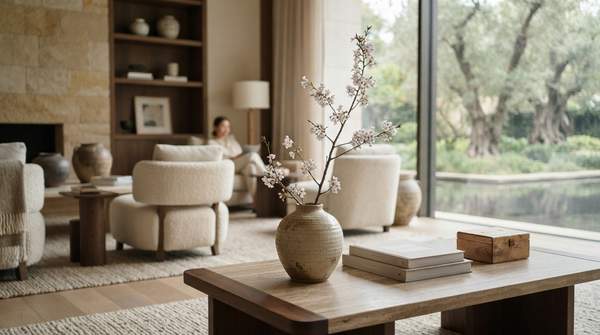
A luxurious, modern retail space featuring interactive digital displays, elegant architecture, and customers engaging with unique brand experiences, symbolizing the rise of data-driven experiential luxury retail.

On New York's Fifth Avenue, nestled among legacy fashion houses like Gucci and Prada, a 15,000-square-foot townhouse is undergoing a transformation. Its new tenant is not a couturier but a tech giant: Meta. The company’s ten-year lease for its first New York flagship signals a pivotal moment in the data-driven analysis of experiential retail, where the luxury shopping experience is being fundamentally redesigned. In a landscape increasingly saturated by digital noise, the most forward-thinking brands are not abandoning brick-and-mortar; they are reimagining it as the ultimate platform for connection.

The trend is clear and backed by a growing body of evidence: luxury brands are increasingly focusing on physical retail and experiential offerings. This strategic pivot moves the point-of-sale from a simple transactional space to an immersive brand embassy, a place where identity is sold with more conviction than utility. It is a calculated response to a changing consumer who, armed with endless online choice, now seeks something more tangible—an experience, a memory, and a genuine, "unplugged" connection with the brands they admire.

What is Experiential Retail and Why is it Growing?

Experiential retail represents a paradigm shift from a product-centric to a customer-centric model. At its core, it is the practice of creating immersive, memorable, and shareable physical environments that prioritize customer engagement over immediate sales. These are not simply stores; they are multi-sensory brand playgrounds designed to foster an emotional connection and build lasting loyalty. The growth of this strategy is not based on abstract theory but on measurable market dynamics and a clear consumer demand for more than just merchandise. The devil is in the details, and the data paints a compelling picture of a sector in transformation.

Across Europe, a market steeped in luxury tradition, the focus on physical presence is intensifying. According to a report from Modaes, the continent has seen a 13% growth in luxury physical retail openings. This expansion comes despite broader economic headwinds, underscoring a strategic conviction that the future of high-end commerce is deeply rooted in physical space. This is not a retreat from digital, but rather a rebalancing of the portfolio, recognizing that the physical store offers a unique and powerful channel for brand storytelling that cannot be replicated online.
The trend is equally pronounced in emerging luxury capitals. In Saudi Arabia, the luxury goods market reached a size of USD 2,087.3 Million in 2025, according to analysis from Vocal.media. This growth is part of a larger economic and social evolution, with the market projected to reach USD 3,413.8 Million by 2034, expanding at a compound annual growth rate of 5.62%. This expansion is fueled by Saudi Arabia's Vision 2030, which is developing luxury ecosystems that blend retail with entertainment and culture. The result is a fertile ground for brands willing to invest in sophisticated, experience-driven retail concepts.

Region/MetricKey StatisticImplication
Europe Luxury Retail13% growth in physical store openingsEstablished markets are reinvesting in brick-and-mortar.
Saudi Arabia Market (2025)USD 2.087 BillionSignificant current market size in a key growth region.
Saudi Arabia Market (2034 Proj.)USD 3.413 BillionStrong, sustained long-term growth forecast.
Ralph Lauren (FY2025)5.9 million new DTC customersExperiential strategies correlate with customer acquisition.

In the United States, established retail centers are also reflecting this shift. The King of Prussia Mall in Pennsylvania, for example, posted a record year, a success that observers at BucksCo Today attribute in part to the rise of experiential retail within its walls. The success of these physical hubs demonstrates that when the offering is compelling enough, consumers will choose the in-person experience over the convenience of a click. The growth is not happening in spite of the digital age, but because of it. The more time people spend online, the more they appear to value meaningful offline interactions.

The Drivers Behind Immersive Shopping

The movement toward experiential retail is not a singular phenomenon but the result of converging forces in consumer behavior, brand strategy, and technology. The primary driver is a fundamental shift in what consumers, particularly in the luxury segment, value. After years of digital acceleration, there is a palpable craving for tangible, real-world engagement. Luxury and sportswear brands, as noted by Vogue, are doubling down on in-real-life events and experiential stores to build loyalty among consumers who want an "unplugged" connection. This desire goes beyond the product itself to encompass the entire brand universe.

From a strategic perspective, experiential retail is a powerful tool for differentiation in a commoditized market. This is especially true for the technology sector, where hardware specifications are becoming increasingly uniform. As one source in Vogue notes, "Tech brands are borrowing from fashion because fashion wrote the playbook on selling identity, not just utility." By creating immersive physical spaces, tech companies like Meta and the headphone maker Nothing are shifting from product marketing to "world-building." They are repositioning themselves as lifestyle players, selling an aspirational identity that is embodied by their physical stores. Nothing, for instance, is ramping up its retail presence with experiential hubs and has plans for further expansion in New York and Tokyo, aiming to create a tangible culture around its products.

Economic and demographic shifts are also playing a crucial role. The robust growth in Saudi Arabia’s luxury market is directly linked to profound societal changes. Women now represent over one-third of the nation's workforce and 45% of its new entrepreneurs. This growing economic empowerment is driving substantial new demand for luxury goods and experiences. Brands that succeed in this market are those that understand these demographic nuances and tailor their experiential offerings accordingly, creating spaces and services that resonate with a new generation of discerning consumers.

How Luxury Brands are Implementing Immersive Shopping Experiences

Leading brands implement specific, deliberate strategies to bring experiential retail to life, transforming stores from points of distribution into destinations. These implementations, often a triumph of form and function, integrate hospitality or create tech-driven showcases, serving concrete business objectives like customer acquisition, increased dwell time, and higher sales.

Ralph Lauren provides a masterclass in this "experiential-adjacent" strategy. The brand’s upcoming Boston location, set to open in 2026, will feature a full retail store alongside a Ralph's Coffee shop. This is not a new experiment but the scaling of a proven concept. First launched in 2014, Ralph's Coffee has expanded to over 40 locations globally. As detailed by Retail Boss, these cafés and the brand's Polo Bar are strategic extensions designed to broaden customer engagement beyond apparel. The results are compelling. The brand acquired 5.9 million new direct-to-consumer customers in fiscal 2025 alone. While a direct causal link is complex, this growth occurred in parallel with the expansion of its hospitality ventures. A similar experiment by the brand Coach, which integrated coffee shops into some stores, reportedly led to increased foot traffic, longer customer dwell times, and in some cases, double or even triple-digit sales increases.

Meta’s planned Fifth Avenue flagship is a bold statement, signaling the tech industry’s significant commitment to experiential retail. The company reportedly plans to double down in 2026, aiming to build aspirational value for its AI-integrated smart glasses and brand. By physically locating among luxury fashion brands, Meta seeks to socialize new technology, making it feel familiar, stylish, and essential, rather than just selling hardware.

In China, brands are embracing "slow pop-ups," according to Jing Daily. These temporary but impactful forms are thoughtfully curated, longer-term installations that allow consumers to engage with a brand's ethos in a relaxed, immersive setting. This offline expansion strategy prioritizes quality engagement over footfall quantity, building a deeper, more resilient customer base.

What Comes Next

As brands refine their experiential retail strategies, the future of luxury retail will be defined by deeper immersion, seamless technological integration, and blurring industry lines. Glamour South Africa asserts immersion is a guiding principle, moving beyond a store café to holistic, multi-sensory worlds. These might include galleries, private lounges, and exclusive events, designed to make consumers feel like members of an exclusive club.

Technology will be the critical enabler of deeper immersion, creating a bridge between physical and digital realms, making the in-store experience hyper-personalized. In Riyadh, for example, early adopters of AI-powered recommendation engines have already reported conversion rate improvements of up to 22%. Imagine a fitting room mirror accessing your online wish list to suggest complementary in-store pieces, or a clienteling app alerting sales associates to your arrival with your purchase history and style preferences. This fusion of high-tech and high-touch service, as seen in The AI Shift: How Luxury Brands Are Utilizing Artificial Intelligence, will define the next generation of luxury retail.

The continued convergence of tech and fashion will reshape the competitive landscape, expanding the very definition of a "luxury brand." As tech companies build lifestyle brands and fashion houses integrate technology, the focus will shift from the product category to the strength of the brand's world. Success will be determined not by who makes the best handbag or the fastest smartphone, but by who creates the most compelling and cohesive universe for consumers to inhabit, moving retail from a channel for goods to a medium for culture.

Key Takeaways

  • Physical Retail is a Growth Sector: Contrary to narratives of its decline, physical retail in the luxury sector is expanding. Data shows a 13% growth in luxury store openings in Europe, demonstrating a strategic reinvestment in brick-and-mortar as a core channel for brand building.
  • The Model is Shifting from Transaction to Immersion: Successful brands are transforming stores into destinations. By integrating hospitality elements like cafés (Ralph Lauren) or creating immersive brand hubs (Meta, Nothing), they extend customer dwell time and foster deeper emotional connections that drive loyalty and sales.
  • Technology is Enhancing, Not Replacing, the Physical Experience: The future of luxury retail lies in the seamless integration of digital tools within physical spaces. AI-powered personalization is already yielding significant results, with reports of conversion rate increases up to 22%, proving that a high-tech approach can elevate a high-touch environment.
  • The Trend is Global and Cross-Category: From tech giants on Fifth Avenue to "slow pop-ups" in China and a booming luxury market in Saudi Arabia, the move toward experiential retail is a worldwide phenomenon. It signifies a broader strategic shift where brands across all sectors are adopting fashion's playbook to sell identity and build a loyal community.

---