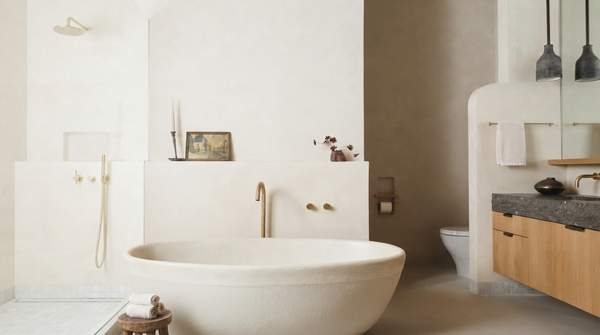
A study in a university residence hall found students preferred blue interiors, followed by green, violet, orange, yellow, and red. A clear hierarchy of color preference tied to perceived functionality was indicated by the study, according to pmc. The finding reveals how aesthetic choices extend into measurable human responses, impacting well-being and productivity.
Color's general influence on mood is intuitive, but its specific, measurable impact on cognitive functions, emotional states, and spatial perception is often overlooked. The oversight represents a missed opportunity for design optimization.
Integrating a data-driven understanding of color psychology into interior design will become a more precise practice. It moves beyond mere aesthetic preference to functional and experiential optimization, a trend expected to shape building design in 2026 and beyond.
The Fundamental Influence of Color on Our Inner World
Different colors of light significantly affect mood and evoke distinct perceptions of a space, according to pmc. Color acts as a powerful, non-verbal communicator, shaping emotional and cognitive responses before conscious thought. This interplay of light and pigment establishes immediate atmospheric context, influencing how individuals interpret a room's purpose or feel. Designers can craft environments that align with desired human experiences, from perceived warmth to openness.
Blue for Focus: How Specific Hues Shape Behavior
Blue interior color facilitates studying and promotes a calm mood, according to pmc. Blue's dual impact on emotional state and task performance is demonstrated, offering measurable advantages for cognitive and emotional states. Designers can select colors to foster desired behaviors. Institutions designing learning or high-stress environments fail occupants by not prioritizing blue and green palettes, directly impacting cognitive function and emotional well-being. Design moves beyond subjective taste toward evidence-based color deployment.
Beyond Mood: Color as a Spatial Navigator
Differentiated colors in a university residence hall's six buildings significantly facilitated student orienting and wayfinding, according to pmc. Color serves a critical functional role in large-scale environments, aiding navigation and reducing cognitive load. Architects and urban planners underutilize this simple, cost-effective tool for improving navigation and reducing anxiety in complex public spaces. Distinct color schemes act as intuitive visual cues, guiding individuals and enhancing their sense of control.