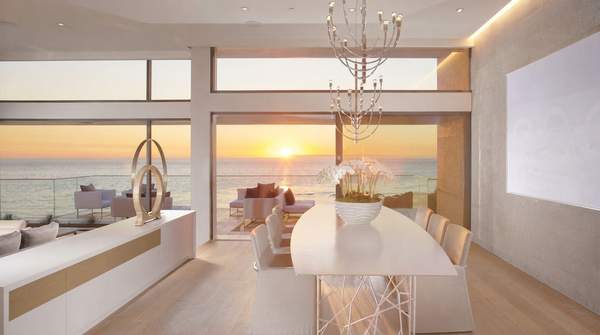
Top 8 Luxury Interior Design Tricks for Small Spaces in 2026

Forget the old adage that small spaces demand compromise; today, a single bespoke bed frame can serve as both a stylish headboard and a hidden storage unit, redefining luxury in compact living.

LB
Luca Bianchi

April 24, 2026 · 5 min read

A chic, modern small living space featuring a multi-functional bespoke bed frame that doubles as stylish headboard and hidden storage.

Forget the old adage that small spaces demand compromise; today, a single bespoke bed frame can serve as both a stylish headboard and a hidden storage unit, redefining luxury in compact living. An innovative approach challenges traditional notions, proving that clever design can elevate daily rituals even within modest footprints. For those seeking luxury interior design tricks for small spaces in 2026, the focus has shifted from mere aesthetics to advanced functionality.

Many assume small spaces necessitate minimalist, often spartan, design choices, but the latest trends show that integrated, luxurious features are increasingly accessible and desirable. The latest trends re-evaluate what constitutes true elegance in limited square footage.

Based on the growing demand for specialized cabinetry and multi-functional furniture, it appears likely that the future of small-space design will prioritize bespoke, integrated solutions that blend high-end aesthetics with unparalleled practicality.

Smart Design Tricks for Maximizing Every Inch

1. Mirrors

Best for: Enhancing perceived space and light

Mirrors create the illusion of space by reflecting light, a technique supported by Rocky Mountain Hardware, Asharys Design, and Hudson and Crane. Placed opposite windows or behind furniture, they expand a room's visual area by reflecting natural light and breaking up blank walls.

Strengths: Visually expands space, adds light | Limitations: Placement requires careful consideration | Price: Moderate to high, depending on size and frame

2. Utilizing Vertical Space

Best for: Expanding usable area without clutter

Utilizing vertical space reduces visual bulk and expands perceived area, making 'air space' a new frontier for compact homes, states Rocky Mountain Hardware. Tall shelves, floor-to-ceiling units, high curtains, and vertical wall panels draw the eye upward, creating height.
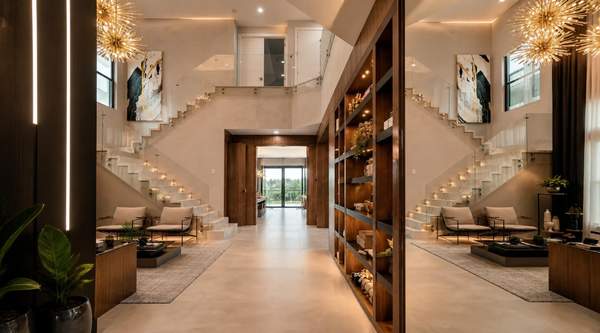
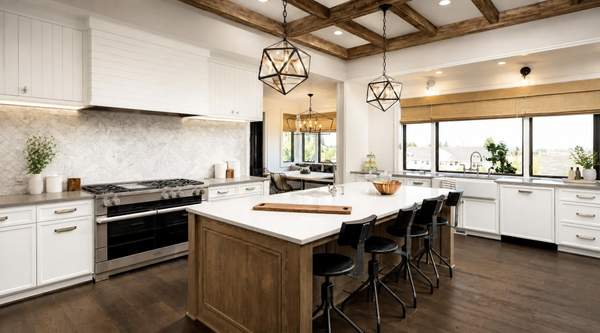
Strengths: Maximizes storage, creates height | Limitations: Can make rooms feel narrow if overused | Price: Moderate to high, for custom solutions

3. Light Colors and Finishes

Best for: Brightening and visually enlarging rooms

Light finishes and colors—white, cream, soft gray—on walls and cabinetry reflect natural light. Light finishes and colors make small spaces feel larger and more inviting, a principle recommended by Asharys Design and Stone Gable Blog to enhance brightness and openness.

Strengths: Creates spaciousness, enhances light | Limitations: Can feel sterile if not balanced with textures | Price: Low to moderate

4. Decluttering

Best for: Achieving visual calm and order

Decluttering is crucial in small rooms to prevent visual weight, making the space feel less cramped. Hudson and Crane describe this as "refining and editing your life." Removing unnecessary items creates openness and allows the eye to rest, making the room appear larger and more organized.

Strengths: Improves aesthetics, reduces stress | Limitations: Requires ongoing maintenance | Price: Free (or cost of storage solutions)

5. Multi-functional Furniture

Best for: Maximizing utility in limited footprints

Every piece of furniture in a small space must "earn its keep," as Asharys Design and Sunday House highlight. Sofa beds, expandable dining tables, storage coffee tables, foldable desks, and ottomans with hidden compartments all serve multiple roles, saving space.

Strengths: Versatile, saves space | Limitations: Can be heavier or more complex | Price: Moderate to high

6. Custom Built-in Storage Solutions

Best for: Seamless integration and bespoke utility

Interior designers increasingly favor specialized cabinetry for built-in beds and dressing spaces, notes Livingetc. Bespoke, double-sided bed frames, for instance, function as both headboard and storage, seamlessly integrating utility and reducing visual clutter.

Strengths: Optimized space, tailored aesthetics | Limitations: Higher upfront cost, less flexible | Price: High

7. Strategic Integrated & Under-Cabinet Lighting

Best for: Enhancing ambiance and task utility

Integrated lighting in wardrobes, cabinets, and cupboards enhances usability and adds luxury, Livingetc observes. Space-saving under-cabinet lighting with warm tones makes prep areas feel cozy, providing task lighting and ambiance without occupying physical space.

Strengths: Improves functionality, adds luxury | Limitations: Requires professional installation | Price: Moderate to high

8. Open Shelving (as alternative to upper cabinets)

Best for: Creating visual openness in kitchens

Open shelving offers openness and display opportunities in kitchens, reducing visual bulk compared to upper cabinets, notes Amy Kartheiser Design. Open shelving makes a small kitchen feel less enclosed and more expansive.

Strengths: Visually lighter, display opportunities | Limitations: Requires meticulous organization, items prone to dust | Price: Low to moderate

Built-In vs. Freestanding: The Case for Specialized Cabinetry

Key AspectBuilt-In SolutionsFreestanding Furniture
Space UtilizationOptimized to the millimeter, often multi-functional (e.g. bed frames with integrated storage); can reduce visual clutter.Limited by standard dimensions; often leaves awkward gaps; single-purpose design.
Aesthetic IntegrationSeamlessly blends with architecture; custom finishes match existing decor; creates a cohesive, high-end look.Appears as separate pieces; may not match existing finishes; can disrupt visual flow.
CustomizationFully bespoke to specific needs and dimensions; addresses unique storage challenges; allows for integrated lighting and features.Limited to available styles and sizes; less adaptable to unconventional spaces; difficult to modify.
Market TrendGrowing demand for specialized cabinetry for built-in beds and dressing spaces, according to Livingetc. The growing demand for specialized cabinetry indicates a shift towards tailored, high-performance solutions.Declining relevance for compact luxury; often seen as a compromise rather than a solution for maximizing space efficiently.

A preference for seamless integration and optimized storage over standard furniture's limitations is signaled by custom cabinetry. Livingetc observes that companies offering generic, single-purpose furniture for small spaces miss a critical market shift towards highly integrated, bespoke solutions that redefine compact luxury.

The Luxury of Thoughtful Integration

By Q4 2026, companies failing to offer integrated solutions, such as those seen in Livingetc’s analysis, risk losing market share to bespoke providers who understand that true luxury now resides in intelligent design rather than sheer square footage.

Common Questions on Small Space Luxury

How to make a small luxury apartment look bigger?

Beyond mirrors and light colors, incorporating continuous flooring materials throughout adjacent rooms can visually extend the space. Also, ensure furniture is scaled appropriately; oversized pieces will overwhelm, while too many small items can create clutter. A single large piece can sometimes feel more expansive than several small ones.

What are the best luxury furniture for small apartments?

The best luxury furniture for small apartments are bespoke, multi-functional pieces designed specifically for the space. Examples include custom-built wall units that combine shelving, storage, and even a fold-down desk, or modular seating that can be reconfigured to suit different needs. High-quality materials and craftsmanship elevate these pieces beyond standard multi-functional items.

Small space luxury design ideas 2026?

For 2026, small space luxury design emphasizes smart technology integration and hidden amenities. Consider smart home systems that control lighting and climate seamlessly, or concealed charging stations within custom millwork. The goal is to make daily interactions effortless and sophisticated, ensuring that every technological convenience is discreetly integrated into the design.