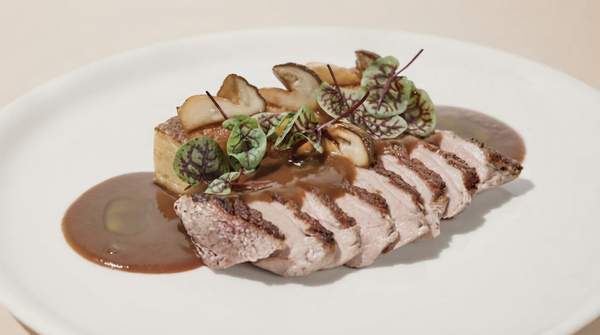
The small Portuguese fishing village, once famed only for sardines, is projected to draw more high-spending culinary tourists than entire regions of Tuscany. This isn't just a shift; it's a redirection of affluent palates, bypassing historically rich gastronomy for intimate, localized flavors that speak to a deeper craving for food's genuine origins.
Global food travel expands rapidly, yet its focus now pivots from traditional luxury to authentic, local, and often more accessible experiences. This tension between established prestige and emerging authenticity redefines what discerning travelers seek. Those pursuing truly novel and impactful culinary journeys will increasingly bypass traditional gastronomic hubs, favoring regions that champion local heritage and sustainable practices. This redistribution promises to reshape culinary tourism's economic landscape.
A recent survey reveals 70% of Gen Z and Millennial food travelers prioritize unique local ingredients over Michelin-starred dining, according to the Global Food Travel Report 2025. This isn't merely a preference; it's a fundamental revaluation of culinary worth, moving beyond traditional luxury toward immersive experiences. Fueled by the rise of food blogging and social media, where 85% of travelers research new food spots online (Travel Influencer Survey 2024), this digital democratization of discovery directly drives the UNWTO's projected 15% annual growth in 'experiential travel,' with food and culture leading the charge, especially in developing economies (UNWTO 2025 Report). The connected world now demands authenticity, not just accolades.
The New Culinary Frontiers of 2026
1. Oaxaca, Mexico
Best for: Cultural explorers, mezcal enthusiasts
Oaxaca, Mexico, saw a 45% increase in culinary tourism revenue between 2023-2025, largely due to its focus on ancestral cooking techniques and mezcal production, according to the Mexican Tourism Board. Its vibrant markets and traditional mole preparations offer a deeply authentic experience.
Strengths: Rich indigenous food heritage, unique spirits, vibrant local markets | Limitations: Limited high-end accommodation, language barriers for some | Price: Moderate