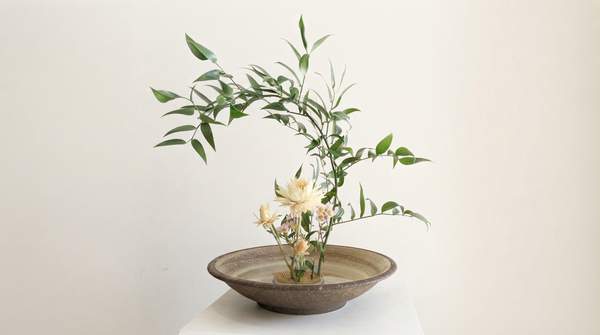
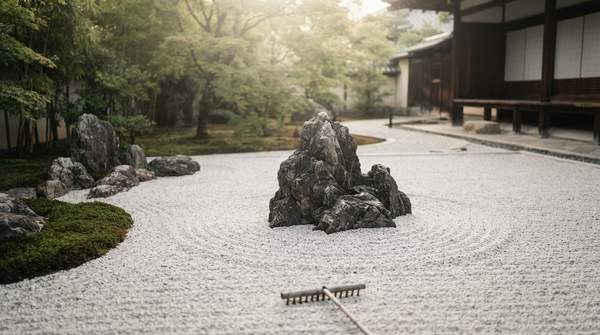
Cool-toned grays and stark whites, once ubiquitous, are actively falling out of favor in living rooms for 2026. Designers now pivot sharply towards warmer, more personal palettes. This shift marks a notable departure from the minimalist aesthetic of previous years. Retailers and manufacturers still heavily invested in monochromatic inventories face an imminent, costly market correction, as reported by Homes and Gardens.
Interior design trends are making a strong comeback, but they surprisingly focus on re-emerging familiar styles rather than entirely new aesthetics. This tension suggests a collective exhaustion with constant novelty, pushing the industry towards reassuring aesthetics.
Homeowners appear to prioritize emotional comfort and personal connection over sleek, impersonal modernity. Familiar styles re-emerge to bring warmth and comfort back into homes, according to The Spruce. This reflects a collective desire for homes to be deeply personal sanctuaries, prioritizing well-being and authenticity.
1. Deeply Personal & Layered Spaces
Best for: Homeowners seeking unique expression
A strong shift toward deeply personal, layered spaces reflects inhabitants, not a specific 'look'. Design moves beyond chasing trends to mirroring the people who live there, according to StyleBlueprint and Forbes. This encourages homeowners to curate items with sentimental value and unique histories, creating genuinely lived-in environments.
Strengths: Fosters individuality, authentic expression, and continuous evolution. | Limitations: Requires thoughtful curation to avoid disorganization. | Price: Varies significantly based on source and rarity.
2. Natural, Tactile Materials
Best for: Those desiring warmth and authenticity
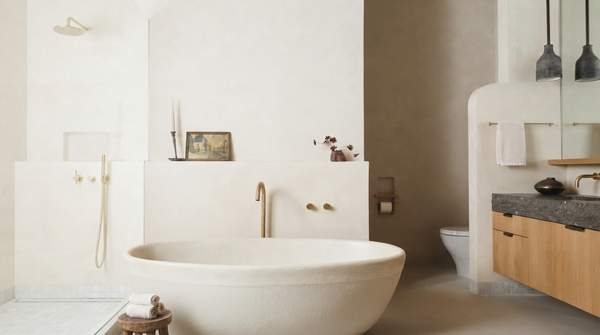
Emphasis grows on natural, tactile materials: handmade tile, unlacquered metals, warm woods. These elements bring authenticity, warmth, and timelessness, notes StyleBlueprint. The preference leans towards materials that age gracefully and invite touch, enhancing sensory experience.
Strengths: Adds rich texture, visual depth, and unique patina over time. | Limitations: May require specific care; initial costs can be higher. | Price: Moderate to high, depending on origin and craftsmanship.
3. Warm, Earthy Color Palettes
Best for: Creating inviting, comforting atmospheres
Cool grays and stark whites yield to creamy off-whites, sandy tones, olive, eucalyptus, deep navy, and blue-green. Deeper, yellow-based greens—olive, moss, chartreuse—are prominent. Neutrals with pink and red undertones, like plaster pinks and soft dusky rose, also emerge, according to Homes and Gardens. These palettes create inviting, grounding atmospheres.
Strengths: Promotes coziness, well-being, and versatility across styles. | Limitations: Requires careful coordination to avoid monotony; can feel heavy in low-light spaces. | Price: Low for paint, moderate for textiles and furnishings.
4. Evolved Maximalism
Best for: Collectors and those who love visual richness
Maximalism evolves: smarter, richer, more personal. It emphasizes intention, coziness, and visual richness. This includes classic traditional elements, mixed patterns, and truly personal items, as reported by Forbes. It moves beyond mere accumulation to thoughtful curation, creating visually dynamic, engaging spaces.
Strengths: Allows extensive personal expression and storytelling. | Limitations: Can overwhelm smaller spaces; demands a discerning eye to avoid clutter. | Price: Varies widely, depending on value and rarity of collected items.
5. Slow Decorating
Best for: Conscientious consumers, long-term home builders
Slow decorating gains traction, emphasizing meaningful, story-rich pieces. This thoughtful alternative to rapid furniture turnover prioritizes longevity, sentiment, and craftsmanship over fleeting trends, according to Forbes. It encourages mindful consumption and investment in quality, building unique, narrative-rich interiors.
Strengths: Promotes sustainable practices and evolves over time. | Limitations: Requires patience; initial investment can be higher. | Price: Moderate to high, reflecting quality and intentionality.
6. Biophilic Design
Best for: Nature lovers, wellness-focused individuals
Biophilic design returns stronger in 2026, focusing on nature-infused spaces. This connects people to the natural world through abundant light, diverse plant life, and organic patterns, notes Forbes. It aims to reduce stress and enhance well-being, improving mental and physical health.
Strengths: Fosters nature connection, enhances air quality, introduces vibrant elements. | Limitations: Requires consistent plant care; challenging in low-light spaces. | Price: Low for plants, moderate for structural integrations.
7. Burl Wood Furniture
Best for: Adding unique texture and organic elegance
Google searches for 'burl wood furniture' are up over 5,000% in the last month, according to Vogue. The surge in Google searches indicates strong interest in its distinctive, intricate grain patterns and organic appeal. Each piece is inherently unique due to the wood's growth anomaly. Its distinctiveness aligns with the broader move towards unique, character-rich elements.
Strengths: Visually striking, sculptural, and organically unique. | Limitations: Expensive due to rarity and craftsmanship; limited availability. | Price: High, reflecting unique aesthetic and material value.
8. Practical Design and Utility
Best for: Families, small spaces, functional living
Practical design and utility increasingly drive consumer decisions in 2026. Furniture buyers want pieces that do more than look good, ensuring functionality alongside aesthetics, states Forbes. This makes furniture a smart, dual-purpose investment, prioritizing comfort and ease of living.
Strengths: Maximizes space efficiency, increases comfort, streamlines routines. | Limitations: Minimizes purely decorative elements; can lead to a less ornate aesthetic. | Price: Varies, often better long-term value due to multi-functionality.
9. Thick, Vintage Frames
Best for: Enhancing art, adding historical depth
Thick, vintage frames return, complementing the elevated English cottage style. They add visual weight, historical depth, and permanence to artwork and mirrors, according to Style by Emily Henderson. They contribute to a layered, collected aesthetic, elevating simple art.
Strengths: Adds character, history, and visual richness. | Limitations: Can be heavy; may require custom sizing. | Price: Moderate to high, depending on authenticity and condition.
10. Chik Bamboo Blinds
Best for: Natural light filtering, adding texture
Lighter-toned chik bamboo blinds with white fabric trim appear more frequently. They offer a natural, layered window treatment, diffusing light beautifully, notes Style by Emily Henderson. Their texture introduces an organic element to interiors.
Strengths: Provides natural texture, warmth, and light diffusion; eco-friendly. | Limitations: Offers less privacy; can accumulate dust. | Price: Moderate, balancing aesthetics and function.
11. Drapes and Relaxed Roman Shades Combination
Best for: Layered window treatments, enhanced coziness
Combining drapes and relaxed Roman shades in similar fabrics is a noticeable trend. This layering adds depth, sophisticated light control, and an inviting feel, according to Style by Emily Henderson. It enhances visual appeal and functional versatility.
Strengths: Offers excellent light/privacy control; adds visual interest and a layered aesthetic. | Limitations: Can be costly due to fabric and installation; may require professional cleaning. | Price: Moderate to high, depending on fabric and customization.
Old vs. New: A Design Palette Shift
The stark difference highlights a clear evolution in aesthetic preference, prioritizing sensory experience and emotional resonance over purely visual sleekness.
| Feature | Outgoing Aesthetic (Cool Minimalism) | Incoming Aesthetic (Warm Comfort) |
|---|---|---|
| Primary Color Palette | Cool grays, stark whites, monochromatic tones | Creamy off-whites, sandy tones, olive, eucalyptus, plaster pinks |
| Material Emphasis | Sleek metals, polished concrete, synthetic finishes | Handmade tile, unlacquered metals, warm woods, burl wood |
| Emotional Impact | Clean, uncluttered, often impersonal | Comforting, personal, lived-in, nostalgic |
| Approach to Decor | Minimal ornamentation, focus on negative space | Layered, intentional, evolved maximalism, storytelling pieces |
| Connection to Nature | Abstract, geometric forms, controlled indoor plants | Biophilic design, natural light, organic patterns, abundant greenery |
How Identified the Top Trends
Identifying the top interior design trends for 2026 involved a comprehensive analysis of industry reports and expert insights. Our process began with reviewing publications from authoritative sources such as The Spruce, Homes and Gardens, Forbes, and Vogue. These sources provided direct observations from interior designers and market analysts.
The focus was on trends explicitly mentioned as "re-emerging" or "falling out of favor" to capture the dynamic shifts. Specific attention was given to changes in color palettes, material preferences, and overarching design philosophies. This approach ensured that the trends presented are not merely speculative but are grounded in expert consensus and observed market shifts.
If the shift towards personal comfort and natural materials continues, retailers like House Beautiful will likely adapt inventories by late 2026, focusing on warmer, more personal offerings to meet evolving consumer demand.
Your Top Questions Answered
What are the top interior design trends for 2026?
The top trends emphasize personal expression, natural materials, and warm color palettes. Evolved maximalism, slow decorating, and biophilic design are prominent, moving away from cool, stark aesthetics.
How can I incorporate 2026 decor trends into my home?
Begin by introducing warmer neutrals like creamy off-whites or sandy tones on walls. Integrate natural wood furniture, add textured fabrics, and incorporate plants to connect with biophilic design principles. Consider sourcing unique, story-rich pieces rather than mass-produced items.
Are there specific color palettes trending in 2026 interior design?
Yes, the palettes lean heavily into warm, earthy tones. Expect creamy off-whites, sandy beiges, and deeper greens like olive and eucalyptus. Soft dusky rose shades and blue-greens are also gaining popularity, moving away from past cool-gray dominance.