Despite traditional fears of brand dilution, luxury companies embracing e-commerce and social media have simultaneously increased their revenues and reinforced their exclusive market position. This strategic adaptation allows heritage luxury brands to extend their reach while preserving the aspirational qualities that define their products and services.
Luxury brands have historically relied on scarcity and exclusive physical experiences to maintain perceived exclusivity. However, digital technology now enables these brands to reach a mass audience and drive sales without sacrificing their premium perception.
Based on this evolving evidence, heritage luxury brands that master the delicate balance of digital expansion and authentic exclusivity are likely to dominate the luxury market by 2026. Conversely, those clinging solely to outdated traditional models risk obsolescence.
This dynamic fundamentally redefines exclusivity. Digital engagement, once feared for dilution, now reinforces premium positioning, challenging conventional wisdom and opening new pathways for sustained growth among heritage luxury brands.
The Enduring Power of Authenticity
Heritage elements in luxury brands significantly enhance perceived brand authenticity, according to Sciencedirect. This intrinsic quality is not merely a marketing tool; perceived brand authenticity is essential for luxury brands to maintain a premium market position. A brand's history and perceived genuineness act as critical assets for commanding premium prices and fostering market respect.
These historical foundations create a unique barrier to entry for newer competitors in the luxury sector. New entrants often struggle to replicate the deep-seated trust and historical narrative that generations of craftsmanship and legacy provide. For heritage brands, their past is a dynamic driver of modern market relevance and increased revenue, rather than just a passive status symbol.
Strategic Reinforcement of Exclusivity
Winning strategies for luxury brands in a cooling market include reinforcing brand exclusivity, a key finding from Kearney. This strategic focus ensures that even amidst economic uncertainty, the unique and aspirational quality of a brand secures its market position. Luxury houses often achieve this through meticulously curated customer experiences.
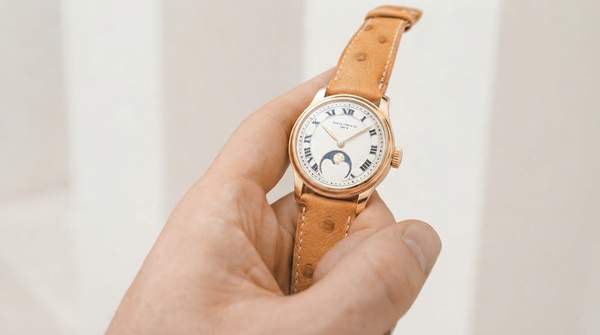
Such reinforcement extends to limiting product availability or creating bespoke services tailored to individual clients. These deliberate actions cultivate a sense of privilege and scarcity. Such strategies solidify the brand's commitment to its core values, elevating its premium standing among discerning consumers.
When Heritage Becomes a Liability
A study seeks to prevent heritage brands from becoming liabilities to their organizations, according to ojs.library.carleton.ca. Without careful management and strategic evolution, a rich history can become a burden. This can hinder innovation and diminish market relevance in a rapidly changing consumer environment.
Outdated production methods or irrelevant historical narratives risk alienating new consumer segments. Brands that fail to adapt their storytelling or product offerings often struggle to connect with younger, digitally native audiences. Consequently, what once represented a strength can transform into an impediment to growth and continued market presence.
Leveraging Digital for Growth Without Dilution
Digital technology has enabled luxury brands to reach a wider target audience, achieve more sales, and build brand loyalty without reducing product quality or prices, states Forbes. This contradicts the traditional luxury thinking that exclusivity relies solely on scarcity and limited access. The definition of exclusivity for heritage luxury brands has evolved, encompassing a broader, digitally-enabled audience without sacrificing premium perception, thus challenging the old paradigm.
Luxury brands that embrace digital tools like e-commerce and social media marketing have seen their revenues increase. Digital channels, when used strategically, are powerful tools for growth and engagement that reinforce luxury values rather than dilute them. These platforms allow brands to highlight their heritage through immersive storytelling and exclusive digital content, thereby enhancing authenticity.
Based on Forbes' findings, luxury brands clinging to outdated notions of scarcity and resisting digital transformation are leaving significant revenue and loyalty on the table, mistakenly equating broader reach with brand dilution. The combined insights from Sciencedirect and Kearney reveal that for heritage luxury brands, digital platforms are not merely sales channels but critical tools for actively cultivating and communicating authenticity, which is the bedrock of their premium market position.
Common Questions on Modern Luxury
How do heritage brands maintain exclusivity?
Heritage brands maintain exclusivity through controlled distribution networks and highly personalized client services. For instance, some brands limit retail points to flagship stores in major cities or offer bespoke product customization that is unavailable through mass-market channels. This approach fosters a direct, intimate relationship with their clientele.
What are successful luxury brand strategies?
Successful luxury brand strategies often involve strategic collaborations and diversification into adjacent product categories. A brand might partner with a contemporary artist for a limited-edition collection or extend its offerings into luxury home goods, carefully aligning new ventures with its established brand identity and quality standards.
How can luxury brands stay relevant in the modern market?
Luxury brands stay relevant by integrating sustainability initiatives and engaging younger demographics through digital platforms like TikTok or curated virtual experiences. Brands can highlight their ethical sourcing practices or offer virtual try-ons for new collections, demonstrating both responsibility and innovation to evolving consumer values.
By late 2026, heritage luxury brands that master the integration of digital platforms with their core artisanal processes, much like Hermès has begun to, will likely secure their premium market position and expand global reach.