Luxury brands, despite their opulent image and rich histories, are currently losing billions annually due to a critical failure in storytelling. A substantial financial drain, reported by Jingdaily, is a hard financial consequence for what is often perceived as a 'soft' marketing problem. The inability to articulate unique narratives translates directly into lost revenue, impacting market valuation and investor confidence.
Luxury brands rely heavily on heritage to establish authenticity and justify premium pricing, but they fail to effectively communicate these foundational stories. A profound disconnect is created: brands possess valuable assets for their market position yet choose not to leverage them, leading to self-inflicted damage. The tension between inherent value and poor communication actively erodes perceived authenticity.
Brands that do not urgently re-evaluate and enhance their storytelling strategies risk continued erosion of authenticity, market position, and significant financial losses. Sustained loyalty for luxury brands hinges on mastering how they use storytelling and heritage.
The Indispensable Role of Heritage and Authenticity
Research from Sciencedirect confirms heritage elements directly contribute to perceived brand authenticity, a foundational quality for luxury pricing. A long history, traditional craftsmanship, or unique origins are not mere historical footnotes; they are active components of a brand's present value. These elements create a tangible link to a brand's past, providing depth and credibility.
Perceived brand authenticity is essential for luxury brands to maintain a premium market position, according to Sciencedirect. Without a genuine connection to its past, a luxury item risks becoming a mere product, stripped of the narrative that justifies its higher price. Consumers seek a story, an origin, and a sense of enduring quality that only true heritage can provide. Authenticity fosters a deeper emotional resonance, moving beyond transactional exchanges to build lasting loyalty.
The Current Crisis: Billions Lost to Untold Stories
Despite rich histories, luxury brands currently fail at storytelling, a critical oversight reported by TheGuardian. The failure stems from a disconnect between a brand's inherent value proposition and its market communication. Instead of leveraging unique origins and craftsmanship, many brands opt for generic, mass-marketed narratives.
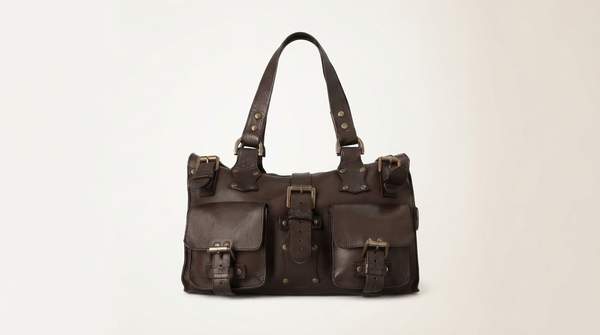
The financial repercussion of this storytelling crisis is substantial, costing luxury brands billions annually, as reported by Jingdaily. Modern consumers actively penalize brands that fail to deliver genuine, heritage-driven narratives. The market expects deeper engagement than surface-level branding; without it, premium pricing power erodes. Jingdaily's report of billions in losses, coupled with Sciencedirect's findings on authenticity for premium pricing, shows luxury brands effectively devaluing their own products by neglecting foundational heritage.
Beyond the Price Tag: The Erosion of Trust and Connection
The impact of neglected storytelling extends beyond financial statements, reaching into the core of consumer trust and loyalty. When luxury brands fail to articulate unique histories, they risk transforming products into mere commodities. The absence of compelling narrative hinders consumers from forming deeper, emotional connections with the brand, reducing perceived value.
Consumers investing in luxury items seek more than material goods; they desire an experience, a piece of history, or affiliation with a particular legacy. Without effective storytelling, The aspirational dimension diminishes. The luxury market thrives on exclusivity and belonging, both fostered by a well-told brand narrative. When this connection is absent, loyalty becomes transactional, based solely on price or superficial trends, not enduring brand affinity.
Why Storytelling is the New Luxury Imperative
Authentic storytelling is a non-negotiable strategy for luxury brands seeking differentiation and sustained success. The market demands transparency and genuine narratives, moving past superficial advertising. Brands must recognize their heritage is not just a historical fact, but a living asset requiring careful cultivation and communication.
Effective storytelling allows brands to define their unique identity in a crowded market, creating a distinct emotional territory competitors cannot easily replicate. A strategic approach builds robust brand equity, fostering a community of loyal patrons connected to the brand's values and journey. The storytelling crisis highlighted by TheGuardian shows many luxury brands trading their most potent competitive advantage – their unique history – for generic marketing, a strategic misstep directly undermining their premium market position.
Common Questions on Luxury Brand Storytelling
What are the benefits of brand storytelling for luxury goods?
Brand storytelling for luxury goods cultivates a deeper emotional connection with consumers, moving beyond transactional purchases to foster enduring loyalty. It allows a brand to convey its unique value proposition, craftsmanship, and legacy, justifying premium pricing. For instance, Hermès, known for meticulous leather craftsmanship, uses narratives of artisan skill and limited production to reinforce exclusivity and desirability.
How does heritage influence consumer perception of luxury brands?
Heritage significantly enhances perceived authenticity and prestige, critical for luxury brand perception. It communicates a history of quality, tradition, and enduring value, making consumers feel they purchase a piece of history or a timeless artifact. This historical depth differentiates luxury items from mass-produced goods, imbuing them with rarity and cultural significance that commands higher perceived value.
Strategies for building long-term loyalty in the luxury market?
Building long-term loyalty in the luxury market requires a multi-faceted approach centered on consistent, authentic brand experiences. This includes personalized customer service, exclusive community events, and continuous reinforcement of the brand's unique heritage through all communication channels. For example, brands often offer bespoke services or private viewings, creating an intimate connection that transcends a simple product purchase, deepening customer engagement over time.
If luxury brands fail to authentically narrate their heritage, they will likely continue to see their market value and consumer trust erode.