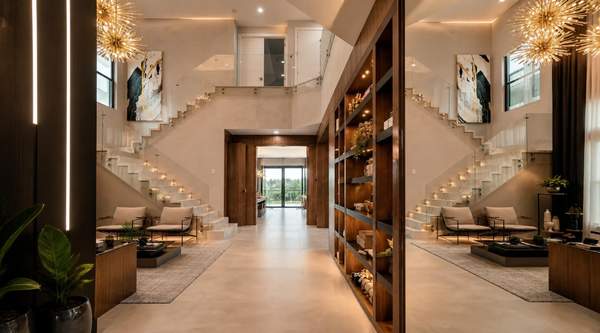
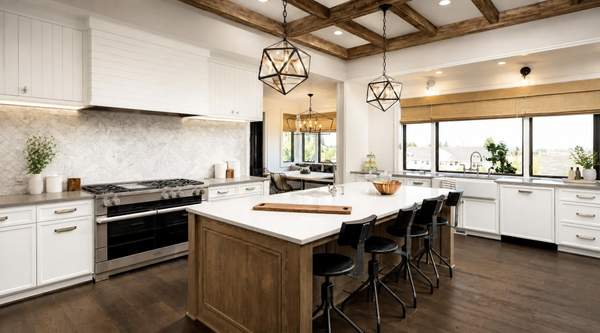
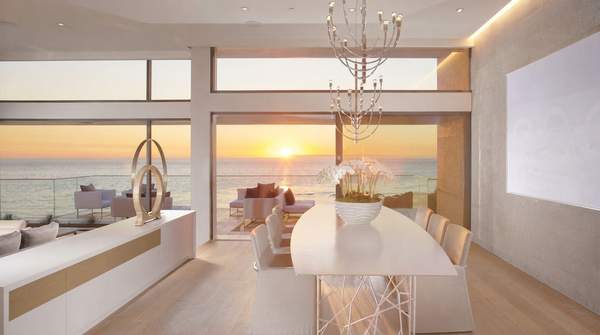
A single bespoke tabletop by Alfonso Marina can feature over 1,300 pieces of inlaid wood, taking two full weeks just to assemble, according to Imidesignstudio. The meticulous process, dedicated to a single component, reveals the immense artisanal labor in luxury bespoke furniture. Such intricate work transforms furniture beyond mere utility, establishing it as a unique artistic statement within a living space. It elevates craft to art, imbuing each piece with a narrative of dedication.
Clients in 2026 often seek unique, personal expression within their luxury interiors. Achieving this through bespoke furniture, however, demands a level of investment and patience far beyond typical retail purchases. The journey from concept to creation is extensive, a testament to deep customization. It is a commitment to a vision, not merely a transaction.
While the upfront cost and time commitment are substantial, the enduring value of bespoke pieces lies in their perfect integration and unique reflection of a client's vision, making them a worthwhile investment for true luxury, where furniture becomes an irreplaceable extension of a homeowner's identity and living space.
The significant investment in bespoke furniture stems from an almost unimaginable level of artisanal time and precision. Clients invest not just in an object, but in a deep, collaborative design partnership. The deep, collaborative design partnership ensures the final piece aligns perfectly with their unique vision and integrates flawlessly, justifying its premium over standard luxury items. Bespoke furniture allows clients to co-create pieces reflecting their unique vision, values, and lifestyle, as noted by imidesignstudio.com. Deep personalization, combined with the exclusivity and sophistication that standard pieces cannot offer (Curatedhomedesigns), elevates interiors beyond mere decoration. It transforms a space into a curated reflection of individual taste.
The Collaborative Journey: From Vision to Reality
The creation of bespoke furniture hinges on a profound co-creative partnership. This iterative dialogue ensures every conceptual detail aligns with both aesthetic and functional demands. Initial sketches evolve through continuous feedback, refining the design to capture the client's precise desires. This dedicated collaboration ensures the final piece is an authentic extension of their personal vision, fostering a level of ownership impossible with off-the-shelf options. It is a journey of shared discovery, culminating in a singular expression.
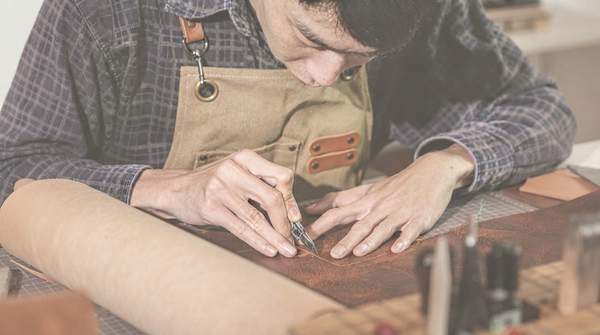
Designers work to translate abstract ideas into tangible forms, considering how each element will interact within its intended environment. This partnership extends beyond aesthetics to practical considerations, ensuring the bespoke item not only looks exceptional but also serves its purpose effectively. The focus remains on crafting a piece that complements the existing architecture and decor, creating a cohesive and harmonious interior.
Understanding the Investment: The True Cost of Custom Craftsmanship
Furnishing a 3,000 square foot house with custom pieces can range significantly in cost. This can start from $40,000 for good quality basics, extending to over $200,000 for high-end bespoke furniture, according to VeyraLuxe. The broad spectrum of cost reveals that 'custom' is not monolithic; true personalization demands a higher investment. It signifies a qualitative leap in craftsmanship and design.
The financial commitment reflects several key factors. Design complexity can increase cost by +20% to +80%, while material grade can raise it by +15% to +200% (VeyraLuxe). The figures for design complexity and material grade confirm that bespoke furniture's substantial cost directly reflects unparalleled customization, premium material selection, and intricate, specialized labor. Each percentage point represents a deliberate choice, shaping the final piece's character and value.
Companies marketing 'custom' furniture must clearly delineate the qualitative difference between basic personalization and true bespoke artistry. The latter demands an investment, potentially exceeding $200,000 for a 3,000 sq ft house. An investment, potentially exceeding $200,000 for a 3,000 sq ft house, embodies an almost unimaginable level of human craftsmanship, exemplified by the two weeks spent assembling 1,300 inlaid wood pieces for a single tabletop, as detailed by imidesignstudio. An investment, potentially exceeding $200,000 for a 3,000 sq ft house, marks a fundamental difference in the creation process and the final product's uniqueness. It is the distinction between selection and singular creation.
When considering bespoke furniture for luxury interiors, clients should prioritize a clear vision for their space. Engaging with designers who demonstrate a strong portfolio and a collaborative approach is crucial. Understanding the timeline, which can extend for several months due to the intricate design and crafting process, helps manage expectations. A transparent discussion about budget, encompassing design fees, material costs, and labor, ensures alignment throughout the project. For more, see our Top Luxury Interior Design Tricks.
How is custom furniture different from bespoke furniture?
Custom furniture typically involves selecting predetermined options or modifications within an existing product line. In contrast, bespoke furniture is an entirely original creation, conceived from scratch to meet a client's precise specifications and integrate flawlessly into their unique space. The distinction between custom and bespoke furniture means bespoke pieces offer unparalleled personalization and perfect spatial integration, making them an extension of personal identity rather than merely a tailored item.
What materials are used in luxury bespoke furniture?
Luxury bespoke furniture often incorporates rare and high-grade materials chosen for their aesthetic appeal, durability, and unique characteristics. Examples include exotic hardwoods such as Macassar ebony or rosewood, fine leathers, silks, and velvets, and precious metal accents like polished brass or bronze. Artisans may also use specialized veneers, intricate inlays of mother-of-pearl or stone, and bespoke hardware to achieve a distinct, high-end finish.
If the pursuit of unique expression continues to define luxury, bespoke craftsmanship, with its inherent personalization and enduring value, will likely remain an indispensable investment for discerning clients.