At Michelin-starred restaurants across Europe, chefs now commission bespoke non-alcoholic beverage programs. These programs achieve flavor harmonies and palate resets traditional wine pairings simply cannot. Even leading culinary schools, like the Culinary Institute of America, integrate non-alcoholic beverage development into advanced sommelier programs. Yet, many diners still view these pairings as secondary. Top chefs and sommeliers, however, increasingly recognize them as a primary tool, elevating the dining experience in unique ways. A profound shift is underway: the fine dining landscape will likely see non-alcoholic pairings transition from a niche offering to a standard, highly-valued component, challenging wine's long-held dominance.
Beyond the Mocktail: Defining the New Non-Alcoholic Pairing
Modern non-alcoholic pairings are complex infusions, distillations, and fermentations, designed to complement specific dishes, reports a Beverage Industry Report. These creations move far beyond simple fruit juices. The Sommelier's Guild notes they are crafted with precise flavor profiles, textures, and aromatic qualities to interact intricately with food. The meticulous approach elevates them beyond traditional mocktails, demanding a new level of culinary respect.
Many establishments now employ dedicated 'liquid chefs' or 'non-alcoholic sommeliers' to develop these intricate programs, reports Fine Dining Quarterly. Ingredients range from rare teas and spices to house-made shrubs, verjus, and botanical extracts, as detailed in the Gastronomy Journal. Specialized roles and exotic components confirm that these are not substitutes, but distinct culinary components, reshaping the very definition of a 'beverage program.'
The Unseen Advantages: How NA Pairings Elevate the Plate
Non-alcoholic pairings enhance dining experiences in ways traditional wine cannot, states Daily Sevenfifty. The absence of alcohol allows for pinpoint flavor matching, avoiding palate fatigue or masking effects sometimes associated with wine, a point emphasized in the Food Science Review. The precision unlocks new possibilities.
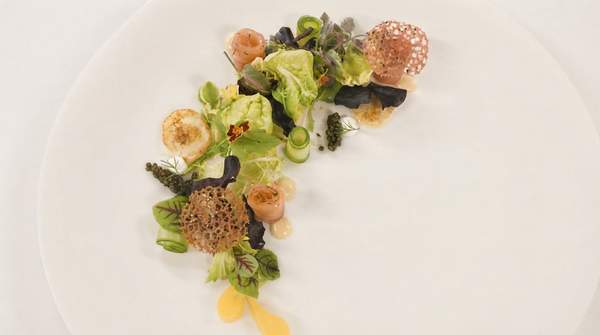
Chefs find non-alcoholic options offer greater versatility, pairing seamlessly with challenging ingredients like artichokes or asparagus, which often clash with wine, as discussed in a Chef's Table Interview. These pairings also act as palate cleansers and resets between courses, enhancing appreciation of subsequent dishes without alcohol's lingering effects, according to the Culinary Arts Journal. The Beverage Innovation Summit highlights the ability to control sugar, acid, and bitterness without alcohol's influence, unfurling new dimensions for balancing and contrasting flavors. The unique control over sugar, acid, and bitterness transforms non-alcoholic pairings into a potent tool for unparalleled culinary precision and dynamic palate management.
More Than a Trend: The Broader Impact on Dining Culture
The rise of non-alcoholic pairings reflects a broader societal shift towards health-conscious choices and inclusive dining experiences, states a Consumer Lifestyle Report. The shift extends beyond personal preference, embracing diverse dietary considerations. Restaurants with robust non-alcoholic pairing menus attract a wider demographic, including younger patrons and those with varied lifestyle preferences, according to Hospitality Insights. The presence of robust non-alcoholic pairing menus pushes culinary boundaries, encouraging chefs and beverage directors to think holistically about the entire dining journey, notes the Gastronomic Society.
The market for premium non-alcoholic beverages is projected to grow by 10-15% annually over the next five years, indicating strong consumer demand, as detailed in reporting on the non-alcoholic beverage market boom. This embrace signifies a maturation of the fine dining industry, prioritizing inclusivity and innovative flavor exploration over mere tradition. It suggests a future where culinary excellence is defined by adaptability and sensory breadth, not just adherence to established norms.
Your Questions Answered: Demystifying NA Pairings
How are non-alcoholic pairings priced compared to wine?
Non-alcoholic pairings often match wine pairing prices. The intricate preparation, premium ingredients, and skilled labor involved reflect the pricing, as highlighted in a Restaurant Pricing Study. The value stems from the bespoke culinary experience, not merely the liquid.
Can non-alcoholic pairings offer a truly complex experience?
The notion that non-alcoholic options lack complexity is dissolving. Beverages now feature layers of botanical, spice, and fruit notes. Beverage Critic Reviews frequently praise the depth and nuance achieved, proving these sophisticated drinks rival their alcoholic counterparts in intricacy.
How do restaurants ensure staff can explain these pairings?
Restaurants increasingly train front-of-house staff to articulate non-alcoholic pairing nuances with the same expertise as wine, according to Service Industry Training Manuals. The staff training ensures diners receive comprehensive, informed guidance, elevating their beverage choices.
The Future is Flavorful: A New Era for Fine Dining Beverages
The integration of non-alcoholic pairings is now a hallmark of innovative, guest-centric fine dining, according to Michelin Guide Trends. The commitment to inclusivity and adventurous culinary landscapes is reshaping expectations. Experts predict that within a decade, a comprehensive non-alcoholic pairing menu will be as expected as a wine list in high-end restaurants, states the Future of Food Report. The evolution of non-alcoholic pairings signals a broader culinary movement towards creativity, inclusivity, and a deeper focus on pure flavor expression. For more, see our The Future Food Pairings Beyond.
In the coming years, establishments like Noma or Eleven Madison Park will likely see non-alcoholic programs as essential to their gastronomic identity, influencing the entire industry. The shift towards essential non-alcoholic programs is not merely a trend, but a fundamental evolution in the art of fine dining.