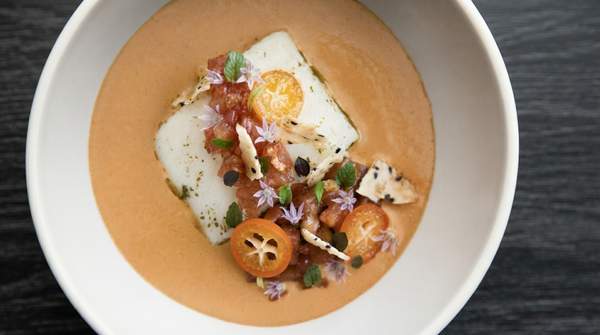
A Sweet Red Pepper Salsa recipe, prominently featured on Creative Vegetable Gardener, astonishingly calls for zero tomatoes. Yet, through the intricate work of microbial communities, the resulting condiment presents itself with the appearance and familiar taste profile of traditional tomato salsa. This culinary trick reveals fermentation's remarkable power to transform ingredients, crafting familiar sensory experiences from entirely new components.
This profound cultural and nutritional benefit from traditional fermentation, however, carries a significant, often unquantified caveat. Its reliance on undefined microbial communities inherently introduces instability, inconsistency, and critical food safety concerns difficult to mitigate for modern consumption.
As global interest in traditional fermented foods grows, particularly in 2024, a tension emerges: preserving ancient methods clashes with the urgent need for scientific understanding and standardization. This balance is crucial for public safety and product consistency in an evolving food landscape.
The Ancient Art: What is Traditional Fermentation?
The traditional backsloping method, using a previously fermented product to inoculate a new batch, increases the chances of desired microorganisms dominating, according to PMC. This ancestral technique attempts to guide fermentation, aiming for predictable outcomes in flavor and texture. Yet, fermentation duration varies significantly across traditional foods, revealing a fundamental lack of precise process control.
Pakhoi fermentation, for instance, takes 7–10 days until carbon dioxide generation subsides, as reported by Nature. Curtido, a fermented cabbage relish, requires only 3 days, according to Cultures for Health. This wide variability confirms that backsloping manages inherent unpredictability, never achieving exact, scientifically controlled results.

Beyond Flavor: The Health and Nutritional Upsides
Traditional fermented foods and beverages (TFFB) offer specific health benefits when consumed in adequate amounts, according to MDPI. Beyond unique flavors, fermentation enhances nutritional profiles, making foods more valuable for human consumption.
It improves mineral bioavailability, allowing the body to absorb essential nutrients more efficiently. Fermentation also reduces concentrations of toxic compounds naturally present in raw ingredients, as noted by PMC. Yet, consumers trusting these nutritionally enhanced foods often rely on an unquantified biological black box, facing both potential upsides and unaddressed risks.
The Hidden Downsides: Inconsistency and Safety
Traditional fermentation often occurs spontaneously, lacking defined starter cultures or controlled conditions. This inherent lack of control poses significant health risks, leading to poor hygiene, inadequate oversight, and the potential presence of pathogenic microorganisms or toxins, as reported by PMC. Such reliance on undefined microbial communities introduces instability and inconsistency into the final product, creating critical food safety concerns, as reported by Nature. The transformative power of fermentation, vividly illustrated by the tomato-free salsa, is thus held back by these risks, preventing its broader, safer integration into modern food systems where predictability and safety are paramount.
The Scientific Gap: What We Don't Know
Despite generations of widespread consumption, limited knowledge exists about the specific microbial communities in traditional fermented foods and their precise effects on human health, according to PMC. This scientific gap means practitioners guide fermentation with methods like backsloping, but their understanding of microbial populations remains empirical, not microbiologically certain.
Consumers embracing these foods for touted health benefits often remain unaware they engage with processes where scientific understanding is still developing. They trust an unquantified biological black box, trading perceived wellness for unaddressed, potentially significant risk due to limited scientific insight and a lack of defined controls.
Common Questions About Traditional Fermentation
What are some common traditional fermentation techniques?
Beyond specific food preparations, common global techniques include lactic acid fermentation for vegetables like sauerkraut and kimchi. Alcoholic fermentation converts sugars to ethanol, central to beverages such as beer and wine. Acetic acid fermentation transforms alcohol into vinegar, another ancient preservation method across cultures. For more, see our What are fermentation techniques global.
How does fermentation preserve food in different cultures?
Fermentation preserves food by creating an environment hostile to spoilage microorganisms. Beneficial microbes produce compounds like organic acids, alcohol, or other antimicrobials, inhibiting undesirable bacteria and fungi. This process extends the shelf life of perishable ingredients, making them available longer throughout the year.
What are some examples of globally recognized fermented foods?
Many cultures feature staple fermented foods beyond Pakhoi and Curtido. Notable examples include Korean kimchi, Japanese miso, Indian dosa, and various forms of sourdough bread. These foods highlight fermentation's diverse applications across culinary traditions and ingredient bases.
The Future of Fermentation: Balancing Tradition and Science
The transformative power of fermentation, vividly shown in red peppers tasting like tomatoes, is paradoxically enabled by the same undefined microbial communities that introduce significant, poorly understood health and consistency risks. By 2026, food science initiatives will likely prioritize research aimed at standardizing traditional fermentation processes, ensuring both cultural preservation and public safety in the global food supply chain.