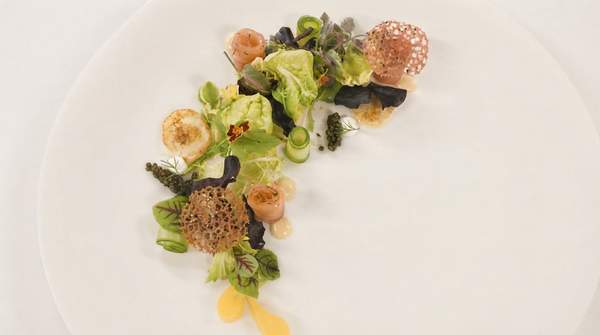
Food served on aesthetically pleasing plates was rated 72% tastier by participants in a study, even before a single bite. This immediate visual judgment profoundly shapes diner perception, influencing satisfaction long before flavor is even considered.
Many dismiss food presentation as mere artistic flourish. Yet, scientific studies prove it fundamentally alters taste perception and economic value. This oversight ignores the measurable psychological and financial benefits of thoughtful plating. The tension between kitchen art and science directly impacts a restaurant's bottom line.
Businesses investing in sophisticated plating techniques will likely see measurable improvements in customer satisfaction, perceived value, and financial performance. Mastering food presentation in 2026 is not optional; it's a strategic imperative for culinary success.
The Psychological Power of Plating
A study confirmed a strong correlation between visual appeal and perceived flavor (F = 74.598, p < 0.001, η2 = 0.720 for tastiness), according to Lightspeedhq. This isn't just aesthetics; visual cues alone can make diners pre-judge a dish as 72% tastier, directly translating into a willingness to pay higher prices.
Understanding Core Plating Methods
Culinary professionals utilize three core plating methods: classic, free form, and landscape, each offering distinct dish arrangements, notes Webstaurantstore. The rule of thirds, for instance, places the focal point off-center for visual interest and balance. For diners, the "clock face" method guides placement: protein from 3 to 9 o'clock, starch from 9 to 12, and vegetables from 12 to 3. Mastering these foundational guidelines allows chefs to craft visually harmonious dishes that effortlessly guide the diner's eye.
Strategic Plating for Visual Harmony
For small items like shrimp or scallops, always present odd quantities, advises Webstaurantstore. This simple rule creates a dynamic, pleasing arrangement, subconsciously appealing to balance. Three or five items appear more intentional, more artistic, than an even number. Such seemingly artistic choices are, in fact, rooted in principles that subtly manipulate perceived value and taste.