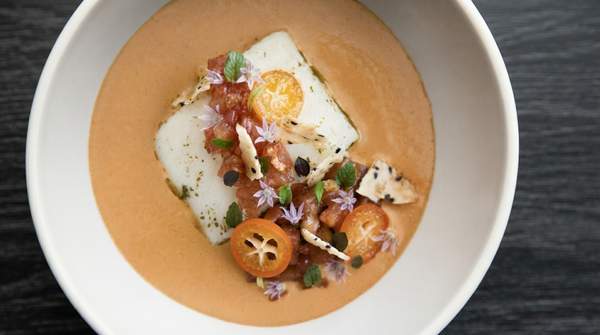
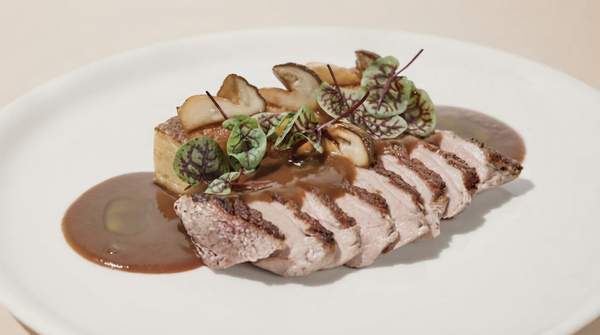
Reservations for omakase counters, often unmarked and seating fewer than 10, surged by 40% in major US cities last year, according to Resy Data (Q4 2023). A 40% surge in reservations for omakase counters in major US cities last year marks a quiet revolution in luxury dining, as diners now crave intimate, curated journeys of mastery and discretion.
Yet, the digital age amplifies visual extravagance and public display, while the most coveted dining experiences increasingly embrace discretion and understated quality. A palpable tension emerges: public visibility versus private exclusivity.
The food landscape is segmenting. A growing premium settles on authentic, high-quality, and private culinary experiences. Overtly flashy establishments risk irrelevance. A recent survey found 68% of high-net-worth individuals prioritize ingredient quality and sourcing over brand recognition when dining out, according to the Luxury Institute Report (2023). The prioritization of ingredient quality and sourcing by 68% of high-net-worth individuals reveals a deep demand for genuine substance.
The Silent Surge: Quantifying the Shift
Understated quality now drives the culinary world, reflected in stark metrics:
- 25% — Sales of premium, single-origin olive oils and artisanal vinegars at specialty food stores rose by this amount year-over-year, despite higher prices (Specialty Food Association).
- 30% — The average check at 'discreet' or 'intimate' restaurants surpasses overtly luxurious establishments in similar markets by this margin (Restaurant Business Journal).
- Quadrupled — Social media mentions of 'understated elegance' and 'ingredient-focused dining' on Instagram and TikTok now dwarf 'extravagant plating' (Brandwatch Analysis).
These figures reveal a measurable shift in consumer spending. Diners now favor quality and experience over overt display, even at a higher cost. The measurable shift in consumer spending, where diners now favor quality and experience over overt display even at a higher cost, signals a fundamental re-evaluation of value, where quiet excellence commands a premium.
Beyond the Bling: What Quiet Luxury Looks Like
Quiet luxury reshapes dining, from restaurants to private homes, with a focus on refined quality:
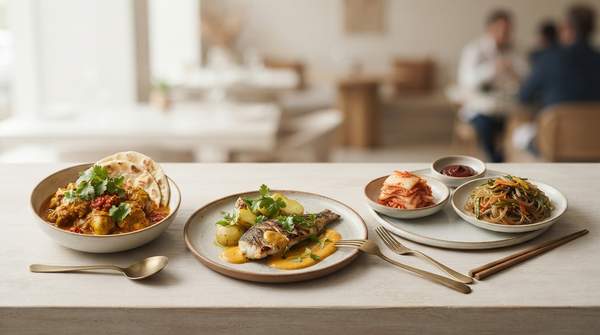
| Aspect of Dining | Traditional Luxury (data from 2024) | Quiet Luxury (projected for 2026) | Trend |
|---|---|---|---|
| Restaurant Menus | Elaborate, multi-course tasting menus | Refined à la carte, fewer high-quality ingredients | Shift towards ingredient focus |
| Exclusivity | Publicly known, reservation-heavy establishments | Private dining clubs, referral-only access | Increased discretion and gatekeeping |
| Home Dining | Standard meal kits, mass-produced gourmet | Elevated home dining kits (2-3x cost) | Premium for chef-prepared components |
Footnote: Data compiled from Chef Interviews (Eater), Bloomberg Wealth, and DoorDash Trends Report.
The table reveals a clear pivot: chefs now favor fewer, exceptional ingredients over elaborate menus (Eater). Exclusivity deepens, with private dining clubs seeing unprecedented demand (Bloomberg Wealth). The pivot towards chefs favoring fewer, exceptional ingredients over elaborate menus and deepening exclusivity with private dining clubs suggests a hunger for genuine culinary depth, even within the home.
The Psychology of Understatement: Why Now?
The preference for quiet luxury stems from evolving consumer values. Younger affluent diners, under 40, are 50% more likely to choose a unique, intimate experience over a flashy celebrity-chef restaurant (Deloitte Luxury Study (2023)), prioritizing authentic connections. The preference of younger affluent diners, under 40, to choose a unique, intimate experience over a flashy celebrity-chef restaurant aligns with a broader shift towards ethical consumption. The Michelin Guide's 'Green Star' category, recognizing sustainable practices, sees a surge in applications from local, seasonal restaurants (Michelin Guide (2023)). Consumers pay a premium for transparent sourcing and ethical production (NielsenIQ Consumer Survey). The collective desire for authenticity, sustainability, and unique personal experiences, evidenced by younger affluent diners' preferences, the surge in 'Green Star' applications, and consumers' willingness to pay a premium for ethical production, fuels the quiet luxury trend, proving a new generation values substance over show.
The Future Plate: Implications for the Industry
Quiet luxury actively devalues traditional status markers, forcing high-end establishments to pivot from overt branding to an elusive, experience-driven exclusivity.
- Established fine dining restaurants struggle to fill seats as consumers choose casual, high-quality alternatives (Restaurant Insider).
- Investment in 'farm-to-table' and 'hyperlocal' concepts now outpaces traditional restaurant investment by 2:1 (Restaurant Investment Group).
- Traditional luxury hospitality brands subtly rebrand, emphasizing heritage, craftsmanship, and personalized service over overt opulence (Hospitality Net).
The industry faces further specialization, redefining 'luxury' itself. Genuine substance and ethical practices will eclipse superficial grandeur. Traditional players must shed logo-centric displays for subtle craftsmanship and an 'if you know, you know' ethos. Restaurants failing to cultivate discretion and hyper-curation risk obsolescence among the truly affluent, who now pay a premium for what cannot be easily shared.
Savoring the Subtle: Your Guide to Quiet Luxury
- 'Experiential dining' now means immersive, often private, culinary journeys, not large-scale themed restaurants (Food & Wine Magazine).
- The market for bespoke kitchen design and high-end home cooking equipment grows by 15% annually (Kitchen & Bath Industry Report).
- Food tourism increasingly seeks authentic, local culinary experiences in less-trafficked regions, not grand dining in major capitals (Travel + Leisure).
- Smaller, independent producers of niche items like heritage grains and rare cheeses report increased direct-to-consumer sales and high-end grocer partnerships (Artisan Food Guild).
If current trends persist, the market for artisanal, experience-driven culinary offerings will likely continue its ascent, compelling mass-market 'gourmet' brands to either genuinely elevate their substance or risk fading into irrelevance by Q3 2026.