A quiet revolution stirs at the fine dining table. Diners are sipping less alcohol, yet the world of haute cuisine now overflows with non-alcoholic beverage pairings that utterly redefine the culinary journey. This seismic shift unlocks an uncharted landscape of tastes and textures, moving far beyond the familiar grape. Discerning palates crave new forms of sophistication, discovering that thoughtful pairings beyond wine offer an unexpected, vibrant depth.
Here lies the delicious paradox: guests consume less alcohol, yet the artistry of beverage pairings in fine dining only intensifies. A profound hunger for intricate taste experiences, unbound by alcohol, is revealed. Restaurants now answer with visionary menus, dismantling old assumptions about the true essence of a complete meal.
The path ahead points to a permanent embrace of diverse, inclusive beverage programs, transcending traditional alcoholic pairings. This evolution ensures that every refined culinary journey, rich in flavor and artistry, becomes accessible to all.
Who Benefits from the Non-Alcoholic Revolution?
This vibrant wave of diverse beverage pairings enriches a wide array of palates and establishments. Diners, eager for sophisticated and varied experiences, now discover menus tailored to every preference—from health-conscious choices to those simply abstaining. Designated drivers and guests with dietary needs are welcomed, ensuring their full, uncompromised participation in the fine dining narrative.
Visionary restaurants, too, reap substantial rewards. Expanding their beverage programs draws a broader clientele, carving a distinct identity in a crowded market. They now unleash creativity not just in dishes, but in crafting bespoke drinks that elevate every bite. They are transformed into essential destinations for profound flavor exploration.
Producers of non-alcoholic beverages emerge as undeniable victors. The surging demand for sophisticated alternatives forges a robust market for artisanal sodas, nuanced fermented teas, intricate infusions, and refined non-alcoholic spirits. A relentless drive for product development and innovation is fueled, pushing beyond mere substitutes to birth true culinary components.
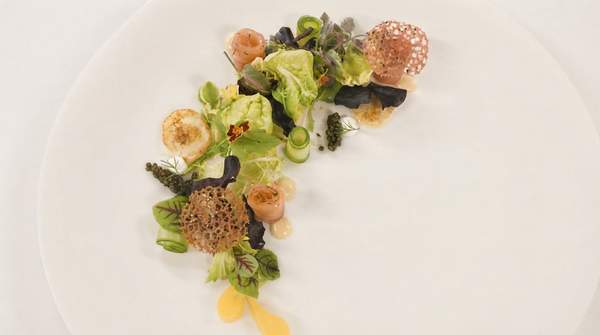
The Sobering Truth: Why Diners Are Drinking Less
A palpable shift has taken hold: diners are consciously choosing less alcohol, a trend confirmed by The Wall Street Journal. This isn't a passing fad, but a deepening cultural current reshaping dining rituals worldwide. Guests now prioritize wellness and mindful moderation, leading to a distinct reduction in alcohol's presence at the table.
A profound cultural realignment is represented by this pervasive trend, demanding restaurants rethink their entire approach. It compels establishments to dismantle wine-centric models, reimagining their beverage programs from the ground up. The mandate for fine dining is unequivocal: menus must evolve, offering non-alcoholic options that rival the food's quality and intricate complexity.
The diminishing pour reflects more than personal preference; it echoes broader societal values. Diners now seek experiences rich in depth and delight, unburdened by alcohol's traditional presence. A burgeoning demand for creative alternatives, delivering comparable sensory satisfaction, propels the industry into a new era of innovation.
Beyond the Grape: A New Era of Pairing Creativity
A vibrant new wave of beverage pairings now sweeps through fine dining, a phenomenon chronicled by WSJ. A surge of innovation, a direct echo of evolving diner habits, proves that alcohol's absence can ignite unparalleled creativity and profound depth in beverage curation.
What some once saw as alcohol's 'loss' in fine dining has blossomed into a profound gain for culinary artistry. It compels experts to delve into house-made kombuchas, fragrant botanical infusions, and nuanced teas. Adventurous exploration births pairings meticulously sculpted to either embrace or challenge dishes, mirroring traditional wine artistry but with an infinitely broader flavor palette.
The rise of sophisticated non-alcoholic pairings, leveraging principles like contrasting and mirroring detailed by Seriouseats, heralds a golden opportunity for beverage producers. They can now engineer complex, nuanced drinks, purpose-built for seamless culinary integration, far beyond mere standalone refreshments. Alcohol's absence expands, rather than limits, the horizons of beverage artistry.
Mastering the Art of the Perfect Pairing
To truly master the art of the perfect pairing, chefs and diners wield the twin principles of contrasting and mirroring flavors. Contrasting involves selecting a drink that sings a counterpoint to the dish—a crisp, acidic sip against a rich, fatty bite. Interplay orchestrates balance, cleansing the palate and offering invigorating pauses between each discovery.
Mirroring, conversely, seeks harmony: a beverage whose flavor echoes the dish. Imagine a smoky tea embracing a smoked duck breast, each note amplifying the other. The technique deepens the entire taste experience, allowing specific nuances to resonate with profound clarity.
Grasping this interplay of contrasting and mirroring unlocks a boundless spectrum of harmonious, thrilling culinary unions. These universal principles of good pairing, equally potent for alcoholic and non-alcoholic choices, forge a profound dialogue between food and drink, elevating both to new heights.
Your Questions About Beverage Pairings, Answered
What drinks pair well with food other than wine?
Beyond wine's familiar embrace, a myriad of beverages beckon with exceptional pairing potential. Craft beers, for instance, dance with diverse dishes—hoppy IPAs ignite spicy fare, while stouts cradle rich desserts. Artisanal ciders offer a crisp, refreshing counterpoint, particularly alongside succulent pork or robust cheese courses.
What are some non-alcoholic drink pairings for meals?
Non-alcoholic realms unveil sophisticated teas, with oolong embracing poultry and green tea harmonizing with seafood, as Arbor Teas reveals. House-made sodas, vibrant with herb and fruit infusions, alongside fermented kombuchas, offer intricate profiles. These liquid creations span bright citrus notes to earthy savories, each meticulously designed to elevate specific culinary artistry.
Best beverages to pair with different types of food?
For the whisper of lighter foods—a crisp salad or delicate fish—sparkling water kissed with citrus or a gentle herbal tea often provides the perfect counterpoint. Richer meats, like succulent beef or tender lamb, find their match in darker, more robust non-alcoholic choices: a spiced berry shrub or a profound black tea. Dessert pairings can swirl with sweet iced teas, aromatic coffees, or even non-alcoholic dessert wines that echo traditional indulgence.
The Future of the Plate and the Glass
The convergence of diminishing alcohol consumption and the ascent of sophisticated non-alcoholic pairings fundamentally redefines the 'complete' fine dining experience. A profound shift liberates complexity from alcohol's grasp, embracing an inclusive, flavor-first philosophy. True culinary luxury now demands thoughtful beverage curation for every single diner.
As The Wall Street Journal observes, fine dining establishments neglecting to embrace and innovate within non-alcoholic pairings court irrelevance. They risk alienating a burgeoning segment of diners, appearing stagnant as the very definition of a 'complete' culinary experience expands far beyond alcohol. Adaptability is not merely an option; it is the bedrock of enduring relevance.
The ongoing evolution of beverage pairings promises a more inclusive, creative, and ultimately richer future for the global dining landscape, where pioneering restaurants like Eleven Madison Park, celebrated for its non-alcoholic tasting menu, will likely draw even greater patronage from those seeking diverse and sophisticated experiences, cementing this culinary revolution.