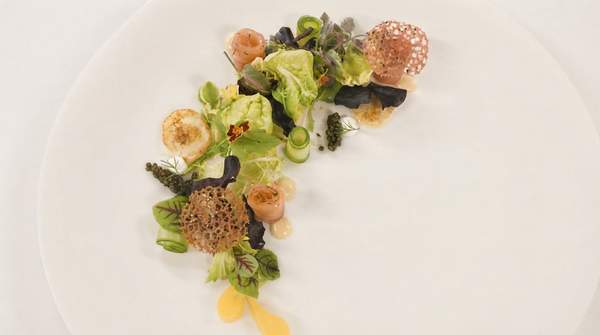
At a high-end restaurant, Chef Daniele Sperindio dedicates a full year to crafting a single batch of soya sauce, a testament to fermentation's slow, transformative power. This meticulous, time-intensive process by Sperindio at Tatler Asia showcases a growing appreciation for artisanal craft in modern gastronomy, elevating a staple condiment through profound patience and skill. Such dedication carves a stark divergence between artisanal tradition and rapid food technology.
Fermentation is an ancient, well-understood process, but its modern culinary and industrial applications are pushing boundaries faster than regulatory frameworks can keep up.
The culinary and industrial landscape is poised for a significant shift driven by fermentation, demanding a re-evaluation of both traditional practices and future food standards.
The Ancient Art, Redefined
Fermentation, a biochemical process, involves the controlled microbial growth that transforms food through enzymatic action. This method yields products like kimchi, sauerkraut, and yogurt, according to PMC. Historically, this process extended food preservation and enhanced nutritional value, leading to culturally significant foods across the globe. Today, this ancient art is being redefined, moving beyond simple preservation to complex flavor development, unlocking new dimensions of taste and texture.
Beyond Kimchi: Fermentation's Culinary Avant-Garde
Modern chefs push fermentation's boundaries, applying techniques to unexpected ingredients. A kombucha scoby, for example, ferments fresh cream for three days at room temperature, as reported by Tatler Asia. Japanese strawberries undergo fermentation in a chiller for at least two days, developing nuanced flavors, a subtle sweetness deepened by time. Salsify, a root vegetable, ferments in a pan for approximately a week and a half, its earthy notes evolving into something entirely new. Beyond these, the culinary world now crafts custom vinegars and misos, alongside plant-based cheeses with complex, aged flavors. Chefs employ fermentation to create novel ingredients like lacto-fermented sauces or fruit 'garums,' pushing taste boundaries further. These daring explorations signify fermentation's ascendance in restaurants, according to Wasserstrom. This radical redefinition of 'fermentable' food in high-end cuisine moves far beyond traditional staples, inviting diners to experience ingredients in revolutionary forms.