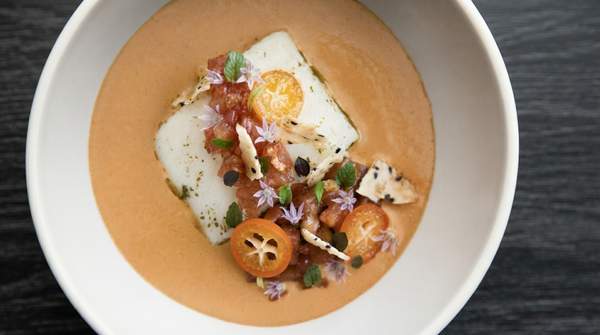
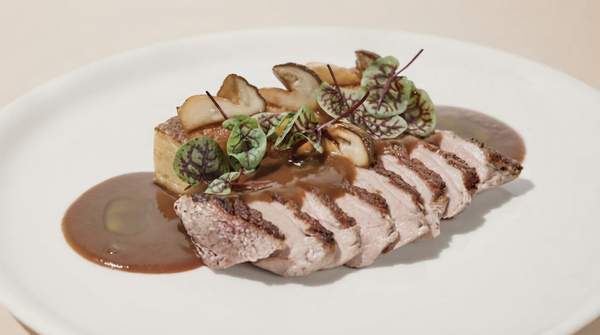
Even before the first bite, a dish's visual appeal modulates a diner's appetite. Professional food plating is far more than mere decoration; it's the initial visual engagement that sets the stage for the entire dining experience, a powerful, often subconscious, driver of enjoyment. While often perceived as a subjective art, plating adheres to specific, almost mathematical principles that profoundly influence diner experience. This tension between perceived artistic freedom and structured application defines modern culinary presentation, making the mastery of these precise techniques crucial for maximizing the impact and enjoyment of any culinary offering.
The Foundational Principles of Plating
A successful plating method in 2026 harmonizes color, texture, and flavor, as taught by Ecole Ducasse. Professional plating demands a deliberate process, blending aesthetic principles with practical considerations to craft a harmonious, appealing dish. Chefs must study each component, planning in advance to achieve visual balance. This includes strategic garnish placement and selecting the perfect plate to complement the culinary creation. These choices elevate the dish's perceived quality, making the visual elements as critical as taste.
Strategic Component Placement for Visual Harmony
Escoffier Online offers rigid guidelines for ingredient placement, often employing a clock-face analogy to dictate harmony. Vegetables, for instance, find their place between 12 and 3 on the plate, a vibrant arc of freshness. This precise positioning isn't arbitrary; it guides the diner's eye, creating a natural visual flow across the dish.
The meat, often the dish's focal point, anchors the plate between 3 and 9. This deliberate placement ensures the protein commands attention, its savory presence a gravitational pull. Such structured arrangement elevates the main component, signaling its importance and drawing the gaze.
Starches, completing the main components, nestle between 9 and 12. Adhering to these specific placement guidelines transforms the plate into a balanced tableau, a clear and appealing composition that speaks to the diner before the fork even lifts. This seemingly artistic act of plating becomes a precise, rule-based psychological hack, orchestrating perception with every element.