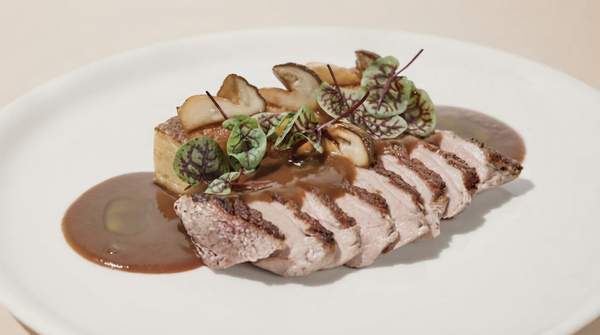
In 2023, Eleven Madison Park, New York City's three-Michelin-starred beacon, shocked the culinary world. Its tasting menu shed all animal products, redefining luxury dining. A bold move by a titan signaled a new era for plant-based cuisine, challenging haute gastronomy. Yet, a tension simmers: while fine dining embraces sophisticated plant-based menus, most consumers lean flexitarian, choosing blended alternatives over full commitment. Therefore, while high-end innovation will elevate plant-based cuisine, true market growth will bloom in hybrid, flexitarian-friendly products, bridging traditional and plant-based diets.
The Culinary Revolution Behind Plant-Based Fine Dining
Chefs now wield advanced techniques to sculpt depth and complexity into plant-based dishes. Fermentation, reduction, and textural contrasts—through temperature—transform ingredients, according to Finediningauthority. High-fat plants, too, replicate the richness once exclusive to animal products. Innovations allow plant-based creations to stand as gourmet experiences, signaling a confident belief: full plant-based replication is haute cuisine's future.
The Flexitarian Majority: Mainstream Consumer Trends
The mass market for plant-based options craves reduction and variety, not full conversion. Consumers reducing meat lean into the flexitarian middle ground, shunning strict veganism, reports Gfs. The preference means the broader market seeks to weave plant elements into familiar formats, not embrace entirely new, fully plant-based dishes.
Designed vs. Adapted: A Diner's Distinction
| Menu Type | Approach | Diner Experience |
|---|---|---|
| Designed Plant-Based Menu | Dedicated culinary creation from concept, focusing on plant ingredients. | Truly elevated, cohesive plant-based gourmet experience. |
| Adapted Omnivore Menu | Modifications made to existing meat-centric dishes to remove animal products. | Accommodation rather than a dedicated culinary statement. |
Source: finediningauthority.com