What is Molecular Gastronomy and Its Scientific Principles in Fine Dining?

Heston Blumenthal's new dishes for The Fat Duck take an average of three-to-four years to go from conception to reality, according to The World's 50 Best Restaurants.

CR
Camille Rousseau

June 6, 2026 · 8 min read

A fine dining chef using scientific tools and culinary techniques to create an artistic and innovative dish in an elegant restaurant.

Heston Blumenthal's new dishes for The Fat Duck take an average of three-to-four years to go from conception to reality, according to The World's 50 Best Restaurants. The extensive development cycle highlights a profound, almost obsessive, commitment to culinary innovation that transcends simple experimentation. It demonstrates a meticulous pursuit of perfection, where every sensory detail, from the precise aroma released to the fleeting texture on the palate, is carefully engineered to evoke specific memories or sensations. The sheer patience and dedication required for such intricate creations speak to a deeper artistic and scientific vision within fine dining.

Despite this deep investment in innovation and the creation of profound sensory experiences, the very label "molecular gastronomy" creates artificial barriers, according to Blumenthal. He states that the term "molecular" sounds inherently complicated and "gastronomy" sounds elitist, as reported by Theguardian. This public perception actively hinders appreciation for its true purpose, obscuring the accessible delight and meticulous culinary science it truly embodies. The intimidating terminology often overshadows the genuine sensory pleasure at its core, creating a disconnect between intent and understanding.

The term implies an overly technical focus, yet its most dedicated proponents emphasize these scientific techniques are merely sophisticated tools to create delicious, stimulating dishes. The future of fine dining in 2026 will increasingly integrate scientific understanding not for novelty, but as a fundamental method for achieving unparalleled sensory experiences. This culinary approach, deeply rooted in the scientific principles of food, ultimately seeks profound and accessible sensory delight through meticulous precision, transforming how we perceive and taste food with every carefully crafted bite.

Beyond the Buzzwords: What is Molecular Gastronomy?

Molecular gastronomy, often misunderstood as a superficial trend emphasizing scientific spectacle, fundamentally seeks to understand how the chemical components of food interact and behave. This scientific exploration directly influences and enhances the sensory experience of the diner, according to Blog Cib Education. It moves beyond traditional cooking methods to rigorously investigate the physical and chemical transformations that occur during food preparation, aiming for predictable, reproducible, and ultimately, more profound outcomes in taste and texture. The goal is to elevate flavor profiles and textural nuances to their absolute peak potential.
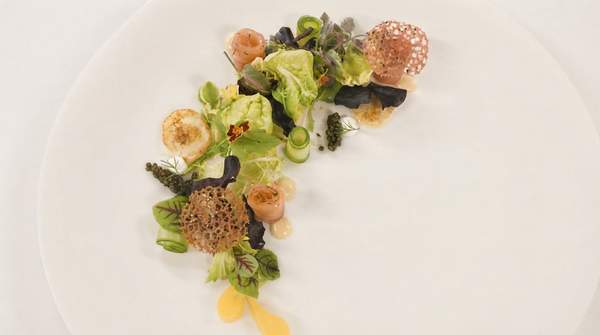
The collaborators in this field, including prominent chefs, emphasize that modern tools and specialized ingredients.edients, such as thickeners, liquid nitrogen, or sous vide equipment, do not define their cooking style. Instead, these are simply advanced instruments used to craft delicious and stimulating dishes, as reported by Theguardian. The perspective highlights that the underlying science consistently serves the art of cooking, providing unparalleled precision to achieve a chef's most ambitious creative vision for both taste and visual presentation. The techniques are merely sophisticated means to a delicious end, not an end in themselves.

Molecular gastronomy, therefore, is not about scientific spectacle for its own sake, nor is it about creating food that is merely 'weird' or 'experimental'. It is a rigorous, deeply analytical method to understand and enhance the fundamental properties of food, from its raw state through every stage of preparation. The objective remains a better, more profound, and often surprising sensory experience, achieved through a deeper scientific comprehension of ingredients, their reactions, and processes. The approach ensures a consistent, often revelatory, culinary journey for the discerning diner, focusing on delight rather than just demonstration.

The Chemistry of Culinary Creation: Textures and Forms

Chefs employ spherification to create delicate, edible beads that burst with vibrant flavor, a technique relying on the precise chemical reaction between calcium chloride and alginate, according to gourmetfoodworld. This intricate process allows liquids, such as intensely flavored fruit purees, aromatic herb infusions, or savory consommés, to be encapsulated within a thin, almost imperceptible membrane. The resulting spheres release their concentrated essence upon consumption, offering a surprising textural contrast and a sudden, delightful pop of taste. Such precision in form not only enhances flavor delivery but also elevates the visual appeal of a dish, transforming familiar ingredients into novel, elegant components.

Another fundamental chemical principle, gelification, uses agents such as Agar Agar or Carrageenan to transform liquids into a more solid, yet often pliable or trembling, state, also according to gourmetfoodworld. These specific gelling agents enable chefs to craft unique textures and forms that are impossible to achieve through traditional cooking methods, ranging from transparent, shimmering consommés that hold their shape to firm, vibrant fruit gels with a clean, precise cut. This allows for highly innovative presentations and unexpected mouthfeels, adding profound layers of complexity and intrigue to dishes. The visual elegance and structural integrity of these creations become paramount elements of the dining experience.

The specific chemical interactions demonstrate precisely how molecular gastronomy enables unparalleled control over food's intrinsic structure and its behavior during preparation. Such meticulous manipulation opens entirely new possibilities for texture, form, and presentation, moving far beyond conventional culinary boundaries to engineer specific, desired sensory outcomes. The focus remains steadfastly on enhancing the diner's overall experience through innovative forms, surprising consistencies, and a heightened appreciation for the intricate beauty of food science. It transforms eating into an exploration of texture and perception.

Precision Through Temperature: From Extreme Cold to Gentle Heat

The use of liquid nitrogen, which maintains an extreme temperature of -196ºC, allows for exceptionally rapid freezing and the creation of unique, often ethereal, textural creations, according to blog.cib.education. This intense cold can instantly shatter ingredients, producing delicate, crystalline structures that dissolve dramatically on the tongue, or it can be used to generate ethereal, smoky effects that captivate the senses upon presentation. It provides a powerful tool for immediate, dramatic culinary transformations, offering a striking visual and tactile dimension to dishes. The swiftness of the freezing process also locks in the fresh, vibrant flavors of ingredients, preserving their integrity.

Similarly, freeze-drying involves freezing food at very low temperatures, typically less than -40ºC, also according to blog.cib.education. This sophisticated process removes moisture from the frozen ingredient through sublimation, preserving its flavor, color, and cellular structure, while resulting in an incredibly light, crispy texture that dissolves elegantly on the palate. These techniques offer chefs an expanded palette for manipulating food's physical properties, allowing for surprising textural contrasts within a single dish and extending the shelf life of delicate components. They ensure an intense concentration of flavor, delivering a powerful gustatory impact.

Utilizing extreme cold, such as that provided by liquid nitrogen or through freeze-drying, allows chefs to achieve textures and rapid transformations that are simply impossible with conventional cooking methods. This unparalleled precision in temperature control facilitates novel culinary outcomes, pushing the boundaries of traditional preparation and presentation to new frontiers. It ensures a consistent, often surprising, sensory impact, delivering a truly memorable and thought-provoking dining experience that engages multiple senses simultaneously. The control over temperature becomes a brushstroke in a culinary masterpiece.

Elevating Everyday Cooking with Scientific Principles

Sous vide cooking, a method that involves slow cooking meat or other ingredients under a precisely controlled water bath at low, even temperatures, typically between 55 to 60 °F for many proteins, illustrates how scientific precision profoundly enhances common cooking, according to gourmetfoodworld. This technique ensures consistent doneness and tenderness throughout the entire piece of food, eliminating guesswork and preventing the loss of vital moisture and delicate flavors. It allows for perfectly cooked proteins, from succulent steaks and tender chicken breasts to flaky fish, every single time, achieving results often elusive with traditional methods. The visual appeal of evenly cooked, moist food is significantly enhanced.

This method, once considered the exclusive domain of fine dining establishments and professional kitchens, has become increasingly accessible to home cooks and a broader range of culinary applications. The inherent precise temperature control prevents any possibility of overcooking and meticulously retains the natural juices and aromatic compounds, resulting in superior texture and intensely concentrated flavor. It democratizes advanced culinary results, effectively bringing the consistency and elevated quality of professional kitchens into diverse home and casual dining settings. This approach fosters a deeper appreciation for ingredient integrity and thoughtful preparation.

Techniques like sous vide powerfully demonstrate how molecular gastronomy's scientific rigor and meticulous approach can be applied far beyond the realm of haute cuisine. They make sophisticated and consistently high-quality results accessible to a broader audience, thereby significantly elevating everyday cooking and improving both quality and consistency across various culinary contexts. This integration of science into the kitchen, focusing on reproducible and predictable results, offers a clear path to more delicious, aesthetically pleasing, and thoughtfully prepared meals for everyone, bridging the gap between scientific understanding and daily culinary delight.

Common Questions: Practical Applications and Ingredients

What are some common techniques used in molecular gastronomy?

Beyond precise temperature control and gelling, chefs utilize transglutaminase, commonly known as 'meat glue'. This powerful enzyme binds protein-rich foods together, allowing for innovative food structures, precise portion control, and significantly reduced waste, according to gourmetfoodworld. Other essential techniques include emulsification and stabilization, which meticulously manage the interaction of immiscible liquids to create perfectly stable sauces, airy foams, and elegant vinaigrettes that maintain their form and flavor integrity over time, adding delicate layers of taste and texture.

Is molecular gastronomy still relevant in 2026?

Its relevance continues to grow in 2026, particularly as chefs increasingly seek a deeper, more nuanced understanding of food science, moving beyond mere novelty. The very name 'molecular gastronomy' is, as Heston Blumenthal's critique highlights, a marketing liability, creating an elitist perception that often overshadows its true mission of profound sensory delight. However, the underlying scientific principles and meticulous techniques continue to drive significant culinary advancement, refining sensory experiences for an ever-evolving and discerning diner palate, proving its enduring impact.

The Enduring Impact of a Scientific Culinary Philosophy

For the first 10 years of running The Fat Duck, Heston Blumenthal was reportedly sleeping only 20 hours a week, according to The World's 50 Best Restaurants. This extraordinary personal sacrifice reveals an almost superhuman dedication and relentless commitment behind the seemingly scientific and precise culinary art. It underscores that molecular gastronomy is not about detached, academic science, but an obsessive, artistic pursuit of culinary perfection and profound sensory engagement, driven by a desire to push boundaries. The sheer commitment to innovation and pushing the limits of taste is palpable in every dish.

This level of intense, multi-year commitment and personal sacrifice powerfully challenges the common notion that its 'scientific' label implies an easy, formulaic approach or a reliance on quick tricks. Instead, it proves unequivocally that molecular gastronomy demands an artisanal level of dedication, meticulous craftsmanship, and profound patience, far beyond mere laboratory precision. The extreme scientific precision and lengthy development cycles are not for showing off; they are critically essential to achieving the subtle, profound, and often revolutionary sensory experiences that its practitioners prioritize over scientific spectacle, focusing intensely on the diner's ultimate pleasure.

Molecular gastronomy, therefore, is not a fleeting trend, but an enduring and profound commitment to culinary advancement and sensory exploration. Its true mission, despite the intimidating nature of its name, lies firmly in creating profound, accessible sensory delight through meticulous culinary science. By 2026, chefs worldwide will likely continue to embrace and integrate these scientific principles, pushing the boundaries of flavor, texture, and visual presentation, ensuring the pursuit of ultimate deliciousness remains a central and evolving goal for innovative dining experiences.