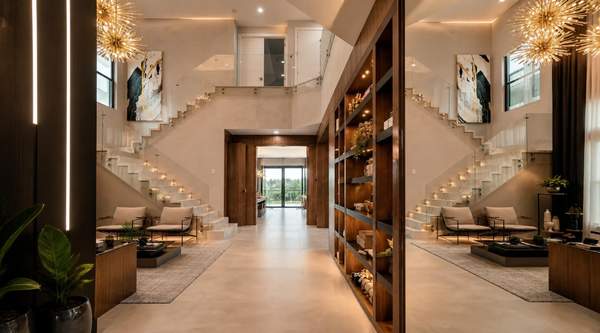
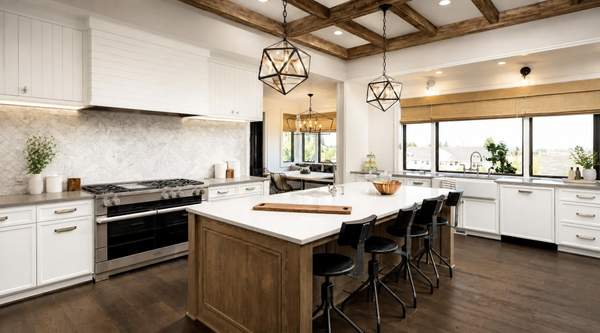
Recent research reveals that traditional interior design practices can actually have a significant and detrimental impact on the environment, potentially exceeding the carbon emissions generated by the construction of the structure itself over its lifetime, according to RMCAD. The hidden burden is a long-term liability, often overlooked when assessing a building's overall environmental footprint. Embracing comprehensive sustainable interior design principles and eco-friendly practices is vital for architects and designers in 2026.
However, while this environmental impact can exceed a building's initial construction, the interior design industry still grapples with widespread sustainable adoption and ethical sourcing challenges. The fragmented approach to integrating eco-friendly practices allows this significant carbon burden to persist.
Designers and clients who proactively embrace comprehensive sustainable interior design principles will not only mitigate environmental harm but also position themselves at the forefront of a necessary industry transformation.
Defining Sustainable Design's Core Principles and Technologies
Repurposing and recycling materials are essential strategies for minimizing waste in sustainable design, according to the American Society of Interior Designers (ASID). This approach extends the lifecycle of products, reducing demand for new resources.
Interior designers are increasingly integrating advanced technologies like LED lighting, smart thermostats, and energy-efficient appliances into their projects, also noted by ASID. Such innovations enhance energy efficiency and reduce operational emissions over time. Sustainable design fundamentally prioritizes waste reduction and leverages advanced technology to create environmentally responsible and efficient spaces. However, the persistent problem of interiors' outsized environmental footprint, as revealed by RMCAD, indicates that superficial tech adoption alone is merely a band-aid, failing to tackle the fundamental waste and material choices driving the majority of emissions.
Harnessing Nature and Innovation: Key Materials for Eco-Conscious Interiors
Bamboo, a strong, durable, and rapidly renewable resource, can be quickly generated using sustainable practices, making it an ideal building material for furniture and decor, according to RMCAD. Its rapid growth cycle minimizes ecological disruption.
Reclaimed wood, sourced from old buildings, is repurposed into new furniture and decor items, effectively diverting waste from landfills, RMCAD states. This practice preserves existing carbon stores within the wood. Recycled glass, created from old jars and bottles, serves as an ideal material for decor, countertops, and accent pieces, as highlighted by RMCAD. Utilizing recycled content reduces the energy required for manufacturing new glass. By utilizing rapidly renewable resources like bamboo and repurposing materials such as reclaimed wood and recycled glass, designers can significantly reduce environmental impact while creating unique aesthetics. Despite the availability of robust sustainable materials like these, the industry's struggle with widespread environmentally sustainable interior design (ESID) adoption implies that the problem isn't a lack of solutions, but rather systemic barriers to their integration.
Overcoming Challenges with Ethical Sourcing and Industry Tools
The shift towards ESID is challenging those responsible for design, according to ScienceDirect. The difficulty arises from complex supply chains and a lack of standardized practices.
Databases and platforms such as mindful Materials, Ecovadis, and Sedex can help designers manage ethical sourcing, ASID reports. These tools offer transparency into material origins and manufacturing processes. Despite the inherent challenges in transitioning to sustainable design, readily available platforms offer crucial support for designers to ensure their material choices are both ethical and environmentally sound. Based on RMCAD's revelation that interior design's lifetime carbon impact can exceed construction, the industry's continued struggle with widespread ESID adoption, as highlighted by ScienceDirect, suggests a critical failure to address the true environmental cost of our built spaces.
Why Sustainable Interior Design Matters for the Future
The significant environmental burden of traditional interiors, revealed by RMCAD, drives designers to adopt some sustainable technology, as noted by ASID. However, the overall shift to truly essential strategies like repurposing and ethical sourcing remains challenging, according to ScienceDirect. A gap exists between awareness and comprehensive implementation.
Closing this gap is vital for long-term environmental health. Buildings contribute a substantial portion of global emissions, and interior choices significantly influence this footprint. Prioritizing sustainable practices moves beyond aesthetic considerations to directly impact planetary well-being.
Adopting eco-conscious principles in interior design fosters healthier indoor environments, reducing exposure to volatile organic compounds (VOCs) and improving air quality. Improved air quality benefits occupants directly, creating spaces that support both human and ecological health.
What are the benefits of sustainable interior design?
Beyond environmental protection, sustainable interior design often leads to reduced operational costs through energy-efficient systems and durable materials. It also enhances occupant well-being by minimizing exposure to harmful chemicals and improving indoor air quality, which can increase productivity and comfort.
How can I make my home more eco-friendly?
To make a home more eco-friendly, consider investing in smart thermostats for optimized energy use and selecting furniture made from rapidly renewable resources like cork. Prioritize natural ventilation and daylighting to lessen reliance on artificial heating, cooling, and lighting, contributing to lower energy consumption.
What materials are best for sustainable interior design?
Beyond bamboo, reclaimed wood, and recycled glass, other excellent materials for sustainable interior design include rapidly renewable cork, which is harvested without harming the tree, and low-VOC paints and finishes that improve indoor air quality. Recycled content fabrics, such as those made from recycled plastic bottles, also offer durable and eco-conscious options.
The persistent environmental liability stemming from traditional interior design practices demands a unified industry response. The disconnect between available sustainable solutions and widespread adoption must be addressed to mitigate the long-term carbon footprint of built environments.
Moving forward, industry bodies like ASID and educational institutions will play a critical role in standardizing sustainable practices and promoting ethical sourcing tools. This collective effort can drive the necessary transformation.
By 2026, designers who have integrated comprehensive sustainable interior design principles will likely see increased client demand, establishing a new benchmark for responsible practice in the industry.