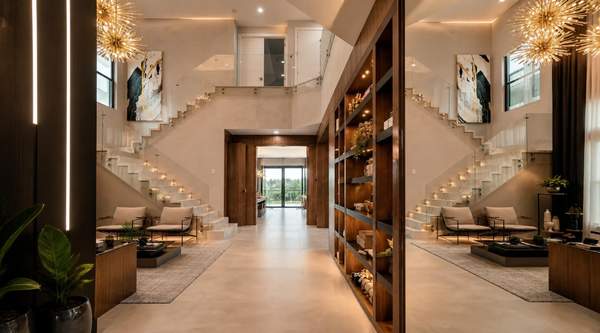
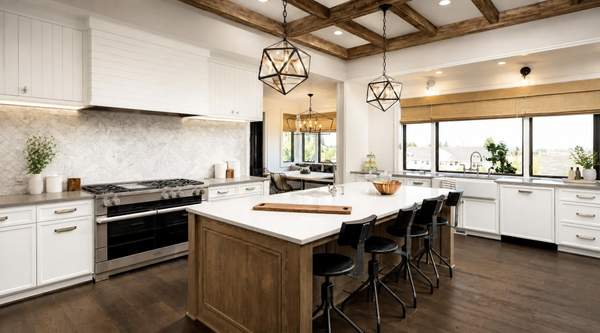
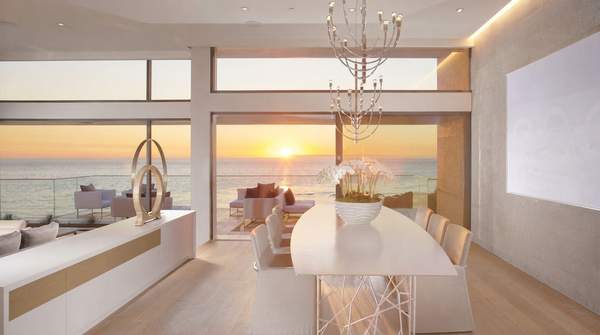
The Green Canopy House, a net-zero energy marvel, won 'Project of the Year' and the 'People's Choice Award' at the 2026 Baltimore Home & Design Awards. Yet, its average cost per square foot was 30% higher than the city average, according to Baltimore Real Estate Data, Q4 2025. This dual recognition, cited in the Awards Jury Statement and confirmed by Awards Website Analytics, reveals a strong desire for sustainable living, but also a significant financial barrier for most residents.
Baltimore's design awards celebrate sustainability and community integration. However, these innovative designs often remain financially inaccessible to most residents, creating tension between aspirational design and practical urban development.
The awards' focus and the economic realities of winning projects suggest Baltimore's design future leans towards niche, high-end sustainable development. The awards' focus and the economic realities of winning projects could widen the gap between aspirational design and practical urban housing needs unless proactive measures are taken.
A Record Year for Innovation
The 2026 Baltimore Home & Design Awards received a record 350 submissions, a 25% increase from 2025, according to the Awards Committee Report. Judges prioritized "community integration" and "sustainable practices," confirmed in a Head Judge Interview. A new category, "Historic Preservation with Modern Integration," also debuted, reflecting a growing trend, according to an Awards Committee Announcement. A record 350 submissions and new categories signal a vibrant, evolving design landscape in Baltimore, emphasizing forward-thinking and context-sensitive approaches.
Emerging Firms Lead Community Design
Urban Roots Design, an emerging firm, secured two major awards for adaptive reuse in historically underserved neighborhoods, according to the Awards Ceremony Announcement. Their Patterson Park Rowhouse Revival, converting derelict rowhouses into affordable, modern units, won the "Community Impact Award," per the Awards Program Guide. Established luxury firms won fewer top-tier awards this year, despite numerous submissions, as detailed in Awards Committee Data. Nimble, community-focused firms now deliver projects resonating with urban needs, marking a shift in influence at the awards.
Design Renaissance, Affordability Divide
The Mayor's office praised the awards for showcasing Baltimore's "renaissance in design and urban living," per a Mayoral Press Release. Yet, community groups raised concerns: many innovative, award-winning projects remain inaccessible to average residents due to high costs, as stated in a Community Advocacy Group Statement. This highlights a growing divide between cutting-edge, often expensive, design and the city's urgent need for affordable, equitable housing solutions, according to an Urban Planning Think Tank Report.
Bridging the Gap
The Inner Harbor Micro-Units project, lauded for its innovative use of small spaces, addresses housing density but faces zoning challenges for wider implementation, according to a Developer Interview. Green Canopy House developers reported a 40% increase in inquiries for similar sustainable designs since the awards, shown by Developer Sales Data. The awards committee plans an "Affordable Design Challenge" for the 2027 awards to address accessibility, according to an Awards Committee Press Conference. While demand for sustainable solutions grows, overcoming regulatory hurdles and integrating affordability will be crucial for broader impact.
Frequently Asked Questions About the Awards
Smart Home Technology Integration
Only 15% of 2026 submissions incorporated advanced smart home technology, despite the focus on sustainability and innovation, according to Industry Trend Analysis, Baltimore Design Review. The low incorporation of advanced smart home technology suggests a growth area for future Baltimore design projects.
Winning Project Locations
Only 5% of winning projects were in West Baltimore, despite revitalization efforts, according to City Planning Department Statistics. The low percentage of winning projects in West Baltimore indicates a geographic concentration of award-winning designs elsewhere in the city.
Funds for Community Initiatives
The 2026 awards gala generated over $500,000 for local design education scholarships, as detailed in an Event Organizer Report. Over $500,000 generated by the 2026 awards gala supports Baltimore's next generation of design professionals.