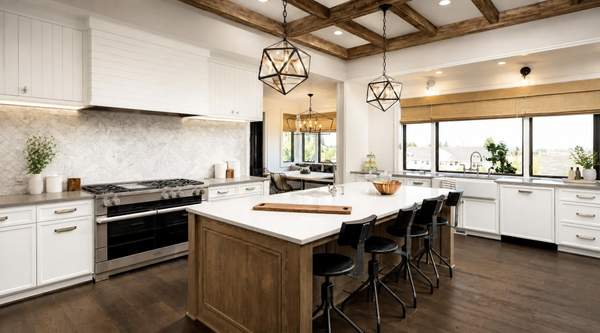
People exposed to biophilic design report feeling more inspired; those in environments lacking natural elements tend to experience adverse psychological effects, according to a study on pmc.ncbi.nlm.nih.gov. This immediate psychological impact reveals the profound influence of our built environment on human well-being. Integrating natural elements into architecture improves human experience.
Scientific evidence overwhelmingly supports biophilic design's positive impact on well-being and sustainability. Yet, its implementation is significantly hampered by a persistent lack of practical knowledge among designers and developers. This disconnect between proven benefits and real-world application creates a critical industry challenge.
Based on current research, widespread adoption of biophilic design appears likely to accelerate as robust measurement tools emerge and stakeholder education improves. This shift will lead to healthier, more sustainable built environments.
More Than Just Plants: Defining Biophilic Design
Exposure to natural elements supports stress reduction, cognitive restoration, and emotional well-being, according to research on biophilic building designs. Biophilic strategies also enhance cognitive restoration and strengthen social cohesion. This design approach, rooted in our innate connection to nature, offers tangible benefits like stress reduction and improved social bonds by integrating natural patterns and processes into built spaces.
The Evolving Framework of Biophilic Research
A comprehensive review spanning two decades (2005-2024) addresses gaps in biophilic architecture research, according to ScienceDirect. This analysis reviewed seven distinct biophilic frameworks. The field is maturing, but continued research is needed to refine and standardize practices. While theoretical knowledge is strong, translating it into widespread application remains a key challenge, requiring a structured methodology to bridge the gap between academic understanding and practical industry implementation.
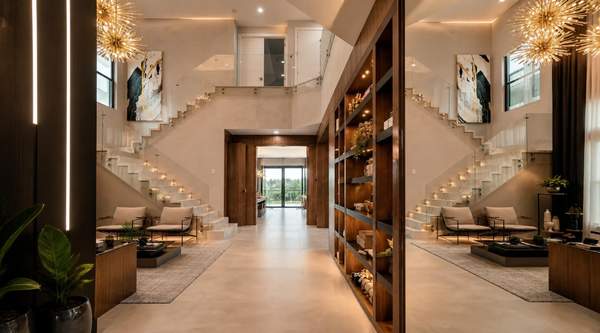
Beyond Well-being: A Sustainable Future
Biophilic design contributes to sustainability by enhancing health, well-being, productivity, biodiversity, and circularity, according to Sciencedirect. This approach extends beyond individual benefits, fostering ecological responsibility. Integrating natural systems can reduce energy consumption and promote material reuse. Biophilic design thus offers a dual benefit: improved human health and ecological responsibility.
Overcoming the Hurdles: Challenges in Biophilic Implementation
Limited DNI knowledge among designers, developers, and clients presents a predominant challenge for implementing biophilic strategies, according to Sciencedirect. This critical lack of specialized knowledge among key industry stakeholders hampers widespread adoption and prevents scalable implementation of established frameworks, limiting its reach.
What are examples of biophilic design elements?
Biophilic design elements include direct connections to nature: natural light, ventilation, and water features. Indirect elements involve natural materials, colors, patterns that mimic nature, or views of natural landscapes. These recreate sensory experiences of natural environments within built spaces, fostering connection and well-being.
What is the difference between biophilic design and nature-based design?
Biophilic design integrates natural elements into built environments to foster human connection with nature, primarily for well-being. Nature-based design, while overlapping, refers to broader strategies using natural systems to address societal challenges, like green infrastructure or ecological restoration. Both value nature, but biophilic design specifically targets the human-nature bond within architecture.
The Future is Green: Embracing Biophilic Principles
Studies measuring biophilic design interventions may have limitations in performance measurement, according to Mdpi. Refining impact measurement is crucial for broader acceptance and optimized implementation. Improved measurement will support greater investment and adoption, translating qualitative psychological gains into quantifiable metrics. Companies overlooking biophilic design forgo a scientifically proven pathway to enhanced employee well-being, cognitive performance, and stress reduction, sacrificing a measurable competitive edge. By Q3 2026, firms prioritizing biophilic training for their design teams will likely see significant returns in employee retention and productivity.