The paradox of the modern wardrobe is a familiar one: a closet brimming with garments, yet the persistent feeling of having nothing to wear. This sense of being overwhelmed by choice, a state some researchers call 'analysis paralysis', often stems not from a lack of clothing, but from a lack of cohesion. Learning how to build a versatile and sustainable capsule wardrobe offers a refined solution, a method that transforms a cluttered collection into a thoughtful expression of personal style. Building a capsule wardrobe involves owning fewer, high-quality pieces that mix and match effortlessly, creating a system where every item is chosen with intention and purpose. The result is not restriction, but a quiet liberation found in clarity and craftsmanship.
What Is a Capsule Wardrobe?
A capsule wardrobe is a curated collection of essential, high-quality clothing items that are designed to be versatile and easily interchangeable, allowing for a multitude of outfits from a minimal number of pieces. The concept, far from being a fleeting trend, has its roots in the 1970s, introduced by London boutique owner Susie Faux. She envisioned a collection of timeless staples that would not fall out of fashion, which could then be enlivened with seasonal or more trend-driven pieces. The idea gained significant momentum in the 1980s when American designer Donna Karan launched her iconic 'Seven Easy Pieces' collection, a masterclass in demonstrating how a few well-designed garments could form the foundation of a complete, functional wardrobe for the modern woman.
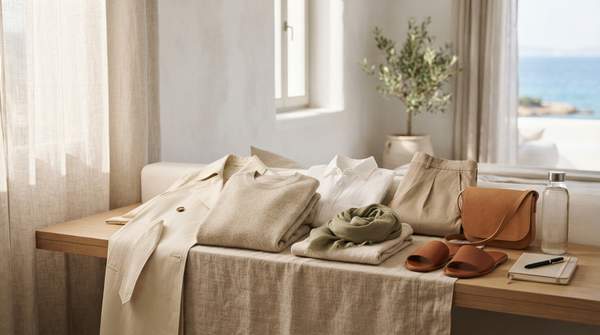
The philosophy behind the capsule wardrobe is a direct response to the excesses of fast fashion. It champions a return to quality over quantity, encouraging investment in beautifully made garments that endure. The benefits are numerous and compelling. By simplifying the daily act of getting dressed, a capsule wardrobe can significantly reduce decision fatigue. It also fosters a more sustainable approach to consumption, shifting the focus from accumulation to appreciation. This curated method saves time and, in the long run, money, as the emphasis on durable, versatile pieces means less frequent and more considered purchasing. It is, at its core, an exercise in sartorial mindfulness.
How to Build Your Capsule Wardrobe: A Step-by-Step Guide
The process of creating a capsule wardrobe is a personal journey of discovery and refinement. It unfolds not through rigid rules, but through a thoughtful evaluation of one's lifestyle, aesthetic, and practical needs. The objective is to craft a collection that feels both authentic and functional, a true reflection of the individual. As one guide from Modern Minimalism notes, the most successful capsule wardrobes are “built by paying attention to what you already wear, honoring your style (not someone’s else’s), and allowing your wardrobe to evolve as your style and life do.”
- Step 1: The Wardrobe Audit and Lifestyle AnalysisBegin not with shopping, but with introspection. The first step is a comprehensive audit of your existing wardrobe and, more importantly, your daily life. Consider the demands of your profession, your social activities, your hobbies, and even the climate you live in. What activities occupy the majority of your time? What are the practical requirements of your clothing? Lay out your most-worn pieces and analyze why you reach for them. Is it the comfort of the fabric, the flattering silhouette, the ease of styling? This initial phase is about gathering data on your personal style and functional needs, creating a blueprint for the collection you intend to build.
- Step 2: Define Your Personal Color PaletteA cohesive color palette is the cornerstone of a versatile wardrobe. This does not mean a commitment to monochrome; rather, it is about selecting a harmonious range of colors that work together seamlessly. A common approach is to choose two to three base colors—such as black, navy, camel, or ivory—that will form the foundation of your wardrobe in items like trousers, coats, and essential knitwear. Then, select two to three accent colors that complement these bases and reflect your personality. These might be softer tones like sage green and dusty rose, or more vibrant hues like cobalt blue or rust. This defined palette ensures that nearly every top can be paired with every bottom, exponentially increasing your outfit possibilities.
- Step 3: The Art of Decluttering with IntentionWith your lifestyle needs and color palette in mind, it is time to edit your current collection. This is perhaps the most challenging, yet rewarding, step. Sort every item into one of four categories: keep, store, donate/sell, or repair. The ‘keep’ pile should contain only items that you love, that fit you well, and that align with your new vision. The ‘store’ pile is for pieces that are sentimental or out of season. Anything that no longer serves you should be passed on responsibly. According to analysis from The Concept Wardrobe, a vast collection of clothing creates excessive visual clutter that can overwhelm the brain. This decluttering process is about eliminating that noise to create clarity.
- Step 4: Select Your Core EssentialsNow, you can identify the gaps and begin to consciously select your core pieces. These are the workhorses of your wardrobe: the perfect white shirt, a well-tailored blazer, classic-fit denim, a versatile trench coat, a simple cashmere sweater. The exact items will vary for everyone. A fashion editor might consistently include 13 specific items in their collection, as reported by Glamour Magazine, while a fall wardrobe guide on Elle.com describes building a functional collection with just 15 items. The number is less important than the function. Focus on timeless silhouettes, natural fabrics with a pleasing hand-feel, and impeccable construction. These are the investment pieces that will form the backbone of your style for years to come.
- Step 5: Integrate Seasonal and Accent PiecesA capsule wardrobe is not meant to be static. Following the original concept, once your core essentials are in place, you can thoughtfully introduce a small number of seasonal items to keep your wardrobe feeling fresh and current. This could mean adding a linen dress and espadrilles for summer, or a chunky wool sweater and leather boots for winter. These additions allow for adaptation and playfulness without compromising the integrity of your core collection. Accessories also play a crucial role here; a silk scarf, a statement piece of jewelry, or a beautifully crafted handbag can entirely transform the mood of a basic outfit.
Common Mistakes to Avoid When Building a Capsule Wardrobe
The journey to a curated wardrobe is one of refinement, and there are several common pitfalls that can hinder progress. By being aware of these potential missteps, you can navigate the process with greater confidence and achieve a more successful and sustainable outcome. The goal is to create a system that serves you, not one that imposes arbitrary limitations.
- Focusing on a "Magic Number": Many articles and guides suggest specific numbers for a capsule wardrobe—15, 19, 33. While these can be helpful starting points, becoming too fixated on a precise number is a mistake. The ideal size of your capsule depends entirely on your lifestyle, laundry habits, and climate. The true goal is not to hit an arbitrary target, but to have a functional collection where every piece is worn and loved.
- Copying Someone Else's Formula: It is tempting to find a beautifully curated capsule on social media and attempt to replicate it exactly. However, a wardrobe must be deeply personal. What works for a creative professional in a temperate climate will not work for a corporate lawyer in a city with four distinct seasons. Use others' capsules for inspiration, but always filter their choices through the lens of your own life, body, and aesthetic preferences.
- Neglecting Texture and Materiality: A wardrobe composed entirely of flat, basic cottons can lack visual interest, even in a beautiful color palette. The artistry of a truly sophisticated capsule lies in the interplay of textures. Think of the smooth drape of silk, the crispness of poplin, the rugged honesty of denim, the soft loft of cashmere, and the structure of wool. A variety of textures adds depth, dimension, and a tactile richness that elevates simple silhouettes.
- Forgetting About Fit and Tailoring: An expensive, high-quality garment will look unremarkable if it does not fit properly. One of the most overlooked aspects of building a lasting wardrobe is the power of tailoring. Investing a small amount to have trousers hemmed, a blazer's shoulders adjusted, or a shirt's waist taken in can transform an off-the-rack piece into something that looks custom-made. Perfect fit is the ultimate form of sartorial luxury.
Advanced Considerations for a Truly Sustainable Collection
Once you have mastered the basics of building a capsule wardrobe, you can deepen your practice by focusing on the nuances of sustainability and long-term curation. This moves beyond simply owning fewer things and into the realm of conscious stewardship of your collection. It involves a deeper appreciation for the materials, craftsmanship, and life cycle of each garment. Just as one might thoughtfully build a personal fragrance wardrobe based on notes and composition, an advanced clothing capsule considers the very fabric of style.
A key principle is to analyze the "cost per wear." A well-made, classic coat that costs several hundred dollars but is worn a hundred times over five years is a far more sustainable and economical choice than a trendy, poorly made jacket that costs fifty dollars but is discarded after one season. This mindset shifts the purchasing decision from a momentary impulse to a long-term investment. Furthermore, delve into the world of sustainable fabrics. Look for certifications like GOTS (Global Organic Textile Standard) for cotton or seek out innovative materials like Tencel™ Lyocell, which is derived from sustainably sourced wood pulp. Understanding the origins and impact of your clothing adds another layer of intention to your collection.
Finally, embrace the arts of care and repair. A sustainable wardrobe is one that is maintained. Learn the proper way to wash and store delicate fabrics like wool and silk to prolong their life. Find a trusted local tailor and cobbler to make repairs when needed. Mending a small tear or resoling a beloved pair of shoes is not just a practical act; it is a commitment to the items you have so carefully chosen to include in your life. This level of care fosters a deeper connection to your clothing, transforming them from disposable items into cherished possessions.
Frequently Asked Questions
How many pieces should be in a capsule wardrobe?
There is no universal "correct" number of items for a capsule wardrobe. The ideal quantity is highly personal and depends on factors like your career, social life, and how often you do laundry. While some reports mention fashion editors using as few as 13 core items or guides from publications like GQ identifying 19 essentials for men, the focus should be on functionality rather than a specific count. The goal is to have enough options to feel comfortable and prepared for your life without excess.
Do I have to get rid of all my other clothes?
No, building a capsule wardrobe does not require you to discard every piece that doesn't fit into your core collection. It is perfectly acceptable to have a separate storage space for sentimental items, formal wear, or out-of-season clothing. The primary goal is to simplify your main, everyday closet to make daily dressing easier. You can rotate seasonal items in and out as the weather changes.
How often should I update my capsule wardrobe?
A capsule wardrobe should evolve with you. Most people find a seasonal refresh to be a good rhythm. At the beginning of each new season, you can reassess your core items, store those that are not weather-appropriate, and identify any gaps. This might mean adding one or two new pieces, but it should not involve a complete overhaul. The idea is to make small, intentional updates rather than participating in the trend-driven cycle of constant consumption.
The Bottom Line
Curating a capsule wardrobe is an act of bringing intention and artistry to the daily ritual of dressing. It is a method for creating a functional, beautiful, and sustainable collection of clothing that truly serves your life and expresses your personal style. By focusing on high-quality, versatile pieces, you save time, reduce waste, and cultivate a more profound appreciation for craftsmanship.
The first step on this rewarding journey is not to shop, but to look inward. Begin by thoughtfully auditing your own closet, not with the goal of restriction, but with the liberating purpose of rediscovering what truly works for you.


