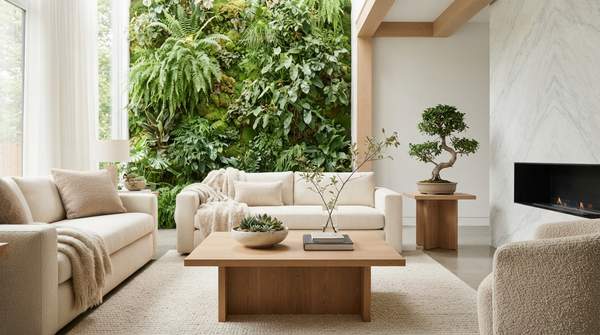
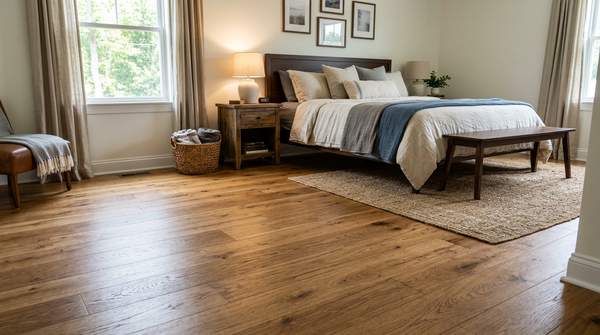
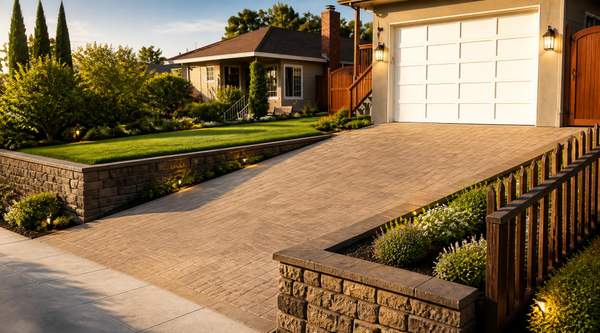
The award-winning Boston-based firm Lisa Tharp Design has released a new comprehensive guide on modern residential interior design philosophy, according to a company announcement on April 3, 2026. The publication details the firm's approach to creating living spaces that balance aesthetic principles with functional living. It addresses what the firm identifies as an evolving landscape in how individuals relate to their domestic environments.
This guide arrives as homeowners increasingly reconsider the purpose and function of their living spaces, a trend noted in a report by nationaltoday.com. The document explores how contemporary design approaches can move beyond traditional decoration to shape environments that actively support functionality, emotional well-being, and personal expression. It presents a structured framework for a design process that is both methodical and deeply personalized, aiming to transform a house into a home that reflects its inhabitants' needs and aspirations.
What We Know So Far
- Lisa Tharp Design, an award-winning interior design firm located in Boston, has published a new comprehensive guide on its design philosophy.
- The guide addresses the evolving nature of residential interior design and its profound impact on the experience of daily life, according to multiple reports.
- It details a structured methodology that begins with understanding client goals and progresses through planning to precise execution, as reported by ydr.com.
- Key areas of focus within the guide include the strategic use of color, the balance of light, material selection, and the integration of sustainable practices.
- The guide was officially released to the public on April 3, 2026, according to nationaltoday.com.
What is Lisa Tharp Design's New Interior Design Philosophy?
The philosophy articulated in the guide centers on the idea that interior design is a discipline with significant influence over human experience. It posits that contemporary design must transcend purely decorative concerns to create spaces that are holistically integrated with the lives of those who inhabit them. This approach seeks to enhance not only the visual appeal of a home but also its core functionality, the emotional well-being of its residents, and the capacity for personal expression within the space.