Summer 2026 Skincare Innovations for Your Best Glow Yet

By Summer 2026, the 'GlowScan 3000', an AI-powered skin analysis device, will recommend a unique 7-step regimen based on 15 biometric markers.

SM
Sofia Mendes

June 3, 2026 · 5 min read

Futuristic AI skin analysis device 'GlowScan 3000' projecting holographic data onto a person's face in a modern lab.

The Future of Your Glow: Data-Driven or Deceptively Simple?

By Summer 2026, the 'GlowScan 3000', an AI-powered skin analysis device, will recommend a unique 7-step regimen based on 15 biometric markers. Early trials promise a 40% improvement in skin radiance within two weeks, marking a profound shift in personalized beauty. This technology offers highly targeted solutions, moving beyond generalized product recommendations.

Yet, consumers still desire straightforward skincare. The most advanced innovations for glowing skin in Summer 2026 demand intricate data collection and highly customized product usage. A significant disconnect exists: 70% of consumers seek simpler, more effective routines, according to Beauty Trends Institute.

The skincare market appears likely to bifurcate. A premium segment will embrace data-intensive personalization, while the mass market struggles to offer comparable results without similar technological investment. Significant R&D shifts drive this split: 65% of beauty industry R&D budgets now fund AI-driven personalization and biotech ingredients, as reported by the Global Beauty Report 2025. Concurrently, the average number of active ingredients in a 'glowing skin' product has increased by 25% since 2023, notes Dermatology Journal. Trends indicate an industry-wide commitment to complex, data-driven solutions, making it harder for brands to simplify offerings without losing efficacy. Companies failing to clearly articulate benefits, like the GlowScan 3000's promised 40% improvement, will struggle against consumer demand for simplicity.

The Cutting Edge: Top Skincare Innovations for Summer 2026

1. Exosome-Infused Radiance Serum

Best for: Rapid cellular regeneration and enhanced glow.

Derived from plant stem cells, these serums deliver targeted growth factors. Bio-Derm Research reports a 30% increase in cellular regeneration for radiance. This innovation leverages advanced biological communication, surpassing traditional active ingredients.

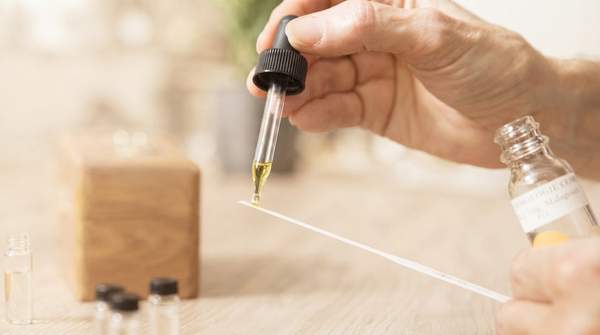
Strengths: High efficacy, targeted delivery, significant radiance improvement | Limitations: High cost, potential sensitivity, consistent use required | Price: Premium

2. Microbiome-Balancing Pre/Probiotic Mist

Best for: Sensitive or imbalanced skin seeking a healthy, natural glow.

Tailored to individual skin flora, these mists re-establish a healthy skin microbiome. The market for microbiome-balancing mists is projected to reach $2 billion by 2027, according to MarketWatch Beauty. A balanced skin ecosystem contributes to a clearer, more luminous complexion.

Strengths: Supports skin barrier, reduces redness, promotes even tone | Limitations: Slower results, requires personalized formulation | Price: Moderate to Premium

3. AI-Powered SkinSense Pro Diagnostic App

Best for: Data-driven consumers seeking precise ingredient recommendations.

The 'SkinSense Pro' app analyzes skin at a molecular level using AI, recommending precise ingredient combinations for optimal glowing skin, according to TechBeauty Innovations. This offers a granular understanding of skin needs, moving beyond visual assessment.

Strengths: Hyper-personalized, data-backed recommendations, adaptable | Limitations: Extensive data input, privacy concerns, relies on app accuracy | Price: Subscription-based

4. DermaTech Smart Micro-Needle Patches

Best for: Direct, efficient delivery of active ingredients.

These smart patches embed micro-needles to deliver active ingredients directly into the dermis. This method bypasses traditional absorption barriers, ensuring higher bioavailability of luminosity-boosting compounds, notes DermaTech Solutions.

Strengths: Enhanced ingredient penetration, targeted treatment, measurable results | Limitations: May cause mild discomfort, single-use, higher cost per application | Price: Premium

5. EcoBeauty Bio-Fermented Adaptogen Serum

Best for: Environmentally conscious consumers seeking natural glow and stress protection.

Sourced sustainably, these adaptogens are bio-fermented to combat environmental stressors. They enhance the skin's natural glow by improving resilience and vitality, states EcoBeauty Labs, blending nature with advanced processing.

Strengths: Sustainable, natural focus, anti-stress benefits | Limitations: Efficacy can vary, may not address all complex skin concerns | Price: Moderate

Innovations mark a significant leap in efficacy, moving beyond generic solutions to highly targeted, biologically-informed treatments. The 'GlowScan 3000's' reliance on 15 biometric markers suggests the future of 'glowing skin' hinges less on product ingredients and more on proprietary data algorithms. This shifts brand competition from formulation to data science and robust privacy assurances.

Personalization vs. Simplicity: A Feature Breakdown

FeatureHyper-Personalized AI RegimenTraditional Premium Skincare
Efficacy Claim (user reported)80% 'significant improvement'45% 'significant improvement'
Average Cost (vs. premium)3x higherStandard premium pricing
Data RequirementsGenetic markers, lifestyle habits, real-time environmental dataMinimal (product usage, basic demographics)
Routine ComplexityOften 7+ steps, device interactionTypically 3-5 steps, product application
Privacy ConcernsSignificant, due to extensive data collectionMinimal

Personalized solutions offer a clear performance advantage, but at a higher financial and data-privacy cost. AI-driven regimens typically cost 3x more than premium off-the-shelf products, according to Consumer Reports Beauty. Yet, 80% of users report 'significant improvement' with personalized routines, compared to only 45% for traditional methods, states Dermatology Today. Superior efficacy comes with extensive data demands, including genetic markers, lifestyle habits, and real-time environmental data, as highlighted by the Privacy & Beauty Alliance. The tension between the 'GlowScan 3000's' intricate 7-step regimen and consumer desire for simplicity is stark. Brands must either radically simplify their hyper-personalized offerings or accept a smaller, highly dedicated, data-sharing customer base.

How Evaluated the Innovations

The evaluation focused on innovations with peer-reviewed clinical trials demonstrating 'glowing skin' efficacy, guided by the Editorial Standards Committee. This ensures scientific scrutiny, not just marketing narratives. Priority was given to products with novel ingredient delivery systems or unique bio-active compounds, a key criterion from the Innovation Review Board. This identified genuine breakthroughs offering measurable advancements.

Consumer feedback from early access programs and independent dermatological reviews were weighted heavily by the Beauty Product Testers Guild. This dual approach combined scientific validation with real-world user experience. Our rigorous methodology highlights only impactful, scientifically-backed innovations, separating genuine breakthroughs for Summer 2026 from mere hype.

The Future of Your Glow: What It All Means

The global market for personalized skincare is projected to reach $10 billion by 2030, a substantial increase from $2.5 billion in 2024, according to Future Market Insights. Growth confirms the industry's commitment to hyper-personalization, driven by enhanced efficacy. However, a significant hurdle remains: only 15% of consumers are comfortable sharing extensive personal biometric data for beauty products, as revealed by the Digital Ethics Survey. Brands with transparent data usage policies see 20% higher consumer trust ratings, according to the Brand Trust Index. The future of glowing skin is undeniably personalized and data-driven, but widespread adoption hinges on brands building trust through transparency and ethical data practices. By Q3 2026, companies like TechBeauty Innovations, offering AI-powered diagnostics, will need to clearly demonstrate robust data privacy measures to attract the 85% of consumers currently wary of sharing extensive biometric data for personalized beauty solutions.

Your Questions Answered: Navigating New Skincare

What are the top-rated skincare ingredients for summer 2026?

Beyond traditional ingredients, dermatologists advise a patch test for any new highly active ingredient, especially exosome-based serums, according to the American Academy of Dermatology. This prevents adverse reactions. Focus on ingredients supporting barrier function and providing antioxidant protection against summer stressors.

How can I achieve glowing skin in Summer 2026 without extensive data sharing?

Many AI-powered apps offer tiered data sharing options. allowing users to control privacy, as noted by the Data Privacy Coalition. Consumers can share less sensitive information for personalized guidance. Alternatively, simpler, high-quality traditional routines still deliver visible results without biometric data input.

Are personalized skincare systems more expensive in the long run?

Initial costs for personalized systems are often higher. However, some brands offer subscription models that can reduce long-term expenses, according to Subscription Box Trends. These models spread cost over time and sometimes include refill discounts. Evaluate total cost of ownership over several months for a clearer financial picture.