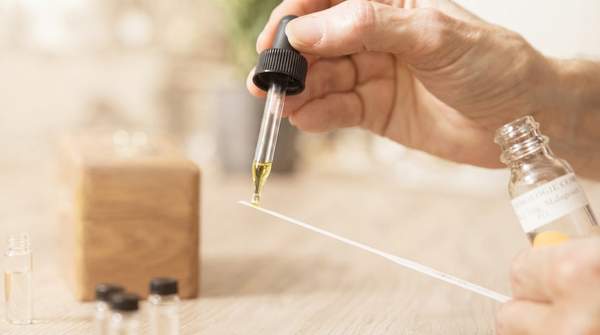
Commissioning a bespoke perfume follows a consistent arc across perfumers: a consultation to define what you want the fragrance to express, an iterative design phase built on trial formulations and your feedback, and a final stage of blending, aging, and bottling. What varies is how that journey is delivered. You can sit with a perfumer in person, collaborate remotely through scheduled virtual sessions, or guide yourself through an at-home kit. Understanding both the stages and the delivery models is what lets you choose the experience that fits your goals.
Understanding Bespoke Perfumery: A Journey to Your Signature Scent
Bespoke perfumery is, at its core, a collaborative act. The perfumers who offer it describe the process not as picking a scent off a shelf but as translating your preferences, inspirations, and intentions into an original formula. The Bespoke Perfumer frames the outcome plainly: "a bespoke fragrance is more than a perfume—it's a personal expression." That framing matters because it defines your role. You are not a passive customer; you are a creative partner whose reactions and feedback shape each version of the blend.
Several perfumers structure this partnership in explicit phases. Wit & West, an all-natural perfume house, describes its bespoke process as three phases "with edits to the formulation based on your feedback," conducted with the support of its perfumer. The Bespoke Perfumer similarly breaks its service into a consultation, a design phase with trial formulations, and final creation. While each house uses its own vocabulary, the underlying model is shared: discovery, refinement, and completion. The differences between providers lie mainly in how much of that journey happens under direct expert supervision versus at your own pace and in your own space.
Stage 1: The Initial Consultation and Scent Discovery
Every bespoke journey begins with a conversation designed to surface what you actually want. The Bespoke Perfumer opens with a complimentary phone call "to explore your scent preferences, inspirations, and what you'd like your custom perfume to express." The emphasis on expression is telling: the consultation is about meaning and memory as much as materials. A perfumer will typically probe for the moods, occasions, and impressions you want the fragrance to carry before any blending begins.
In-person services add a sensory dimension to this stage. Sue Phillips offers a private, in-person perfume consultation in which clients experience the art of fragrance directly while working toward their perfect scent. For at-home participants, discovery takes a different form: Olfactory NYC's experience begins with an Explorer Box containing nine core fragrances created by established perfumers, which you sample yourself. Whether guided by a perfumer's questions or by your own nose working through a curated set, the goal of this stage is identical—to establish a scent direction that the subsequent design work can build on.
Stage 2: Iterative Design and Sampling
The design phase is where bespoke perfumery distinguishes itself most clearly from simply buying a fragrance. Rather than moving straight to a finished product, the perfumer creates trial versions for you to experience and critique. The Bespoke Perfumer designs the perfume through a series of four virtual sessions, supported by an olfactive materials kit curated for the individual client and "custom-crafted trial scents you can experience, and refine." Wit & West likewise builds its process around formulation edits driven by client feedback across its phases.
At-home kits make this iteration self-directed. Olfactory NYC instructs clients to "sample scents over days or weeks, wear them in different settings, and refine your preferences at your own pace before choosing a final blend." The slower rhythm is deliberate: wearing a scent in real conditions—work, evenings, weekends—reveals how it behaves on your skin and in your life in a way a single sitting cannot. The common thread across models is that refinement is expected, not exceptional. A first trial is a starting point for dialogue, whether that dialogue is with a perfumer or with your own evolving reactions.
Stage 3: Final Formulation, Blending, and Maturation
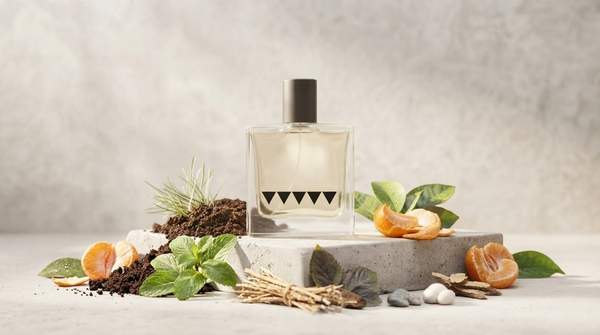
Once the formula is settled, the perfumer produces the finished fragrance. The Bespoke Perfumer describes this stage precisely: once the formula is perfected, the fragrance is hand-blended, "aged to develop depth and harmony," bottled in a 100ml bottle, and mailed to the client. Aging is a meaningful step, not a formality—maturation allows the blend's components to integrate into a coherent whole rather than a collection of separate notes.
Wit & West concludes its process by mailing the final custom perfume in two 15ml bottles and one 50ml bottle, and it keeps the client's perfume formulation on file so refill orders can be placed later. That archival detail is worth noting as a differentiator of bespoke work: the formula is yours, documented and reproducible. Sue Phillips similarly offers a reorder service for clients who love their custom perfume, with the original signature scent "expertly handcrafted from your personal fragrance formula." The finished bottle, in other words, is the visible product of a documented process rather than a one-off.
Comparing Bespoke Perfume Creation Experiences
The three delivery models—virtual consultation, at-home kit, and in-person experience—differ most in how much expert guidance you receive and how the creative work is paced. The table below compares them across those dimensions so you can match a model to your preferences for interaction and creative control. Note that some providers blur the boundaries: Olfactory NYC, for instance, lets at-home clients add a virtual consultation with a Scent Advisor, and includes one in its At-Home Concierge Experience.
| Service Model | Level of Perfumer Guidance | Creative Process | Best For |
|---|---|---|---|
| In-Person Experience | Direct, immersive interaction with the perfumer or consultant during a private session. | Preferences are explored and the scent is developed face to face, with immediate expert response. | Those seeking a luxurious, immersive experience with immediate expert interaction. |
| Virtual Consultation | Expert guidance delivered remotely through scheduled sessions, such as The Bespoke Perfumer's four-session design phase. | Personalized consultation followed by iterative design with trial formulations sent to you for feedback. | Clients who want expert guidance and iterative refinement from home, via scheduled remote collaboration. |
| At-Home Kit | Minimal or self-directed; expert help available as an add-on, such as a virtual consultation with a Scent Advisor. | Hands-on and self-paced: sample core fragrances over days or weeks, wear them in different settings, and refine preferences before choosing a final blend. | People who enjoy discovery, experimentation, and taking a hands-on approach at their own pace. |
Read the table as a decision framework rather than a ranking. If you value a perfumer's judgment at every step and want someone to interpret your feedback into edits, the virtual or in-person routes fit. If you trust your own nose and want the freedom to live with scents before committing, the kit route rewards patience. And if you want a middle path, a kit paired with an on-demand consultation can combine self-paced discovery with expert checkpoints.
Making Your Choice: Finding the Right Bespoke Path
Choose a bespoke perfumery experience based on your desired level of expert guidance, hands-on involvement, and convenience. Before committing, ask any provider three questions drawn from the process above: how the initial consultation explores your preferences, how trial formulations and feedback are handled, and how the final fragrance is blended, aged, and delivered. The measurable indicator of a good fit is simple: the reader selects a preferred service model—in-person, virtual, or at-home kit—that aligns with their personal goals for creating a custom fragrance. Whichever path you choose, expect the journey to be iterative by design, and expect to finish with something a ready-made perfume cannot offer: a formula created for you, and in many cases kept on file so your signature scent can be reordered for years to come.
Sources
- Bespoke | All-Natural Perfumes & Colognes — WIT & WEST
- Bespoke Perfume Creation — The Bespoke Perfumer
- Sue Phillips Fragrances
- Custom Fragrance Creation | At-Home Scent Experience — Olfactory NYC