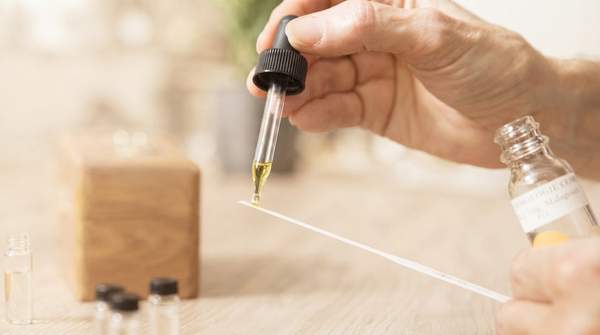
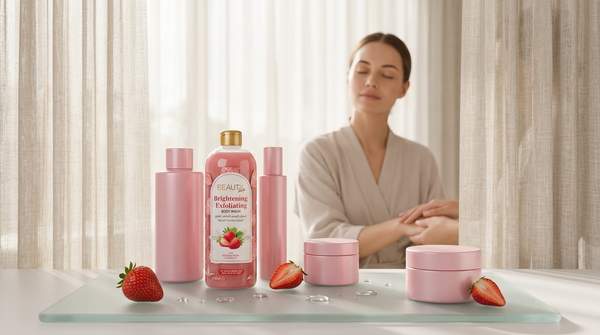
In a 2021 phase one randomized controlled trial, applying a cream containing live Staphylococcus hominis to adults with atopic dermatitis significantly reduced redness and itchiness, according to BBC. This specific bacterial intervention also decreased Staphylococcus aureus colonization compared to a placebo, directly challenging the common assumption that all staphylococcal bacteria are harmful and must be eliminated. The outcome highlighted the direct therapeutic potential of beneficial bacteria in managing challenging skin conditions, marking a pivotal moment in dermatological research. This targeted approach offers a less disruptive strategy than broad-spectrum treatments, enhancing patient comfort and improving skin health outcomes.
Many people associate bacteria with disease and infection, yet specific probiotic and prebiotic applications are proving to be powerful allies in maintaining and restoring skin health. This tension between traditional antiseptic methods and microbiome-friendly solutions drives current advancements in dermatology. The successful application of beneficial bacteria directly contradicts the long-held 'sterilize to heal' philosophy, suggesting a new direction for treating chronic inflammatory conditions.
As research continues to uncover the intricate mechanisms of the skin microbiome, we can expect a new generation of highly targeted, bacteria-based skincare solutions to become mainstream, shifting paradigms in dermatology and cosmetics. These innovations will likely leverage advanced delivery mechanisms and a deeper understanding of microbial interactions. The future of skincare is moving towards therapies that actively support and rebalance the skin's natural microbial communities for long-term health benefits.
What Are Prebiotics and Probiotics for Skin Health?
Prebiotics and probiotics for healthy skin microbiome 2026 involve distinct yet complementary approaches to supporting cutaneous health. Probiotics are live microorganisms that, when administered in adequate amounts, confer a health benefit on the host, according to PubMed. For skin, this often means applying beneficial bacteria directly to the surface to influence the existing microbial ecosystem. Prebiotics, conversely, are non-digestible compounds that selectively stimulate the growth or activity of beneficial microorganisms already present on the skin or in the gut. These beneficial compounds work by supporting the skin's existing microbial ecosystem, strengthening its natural protective functions and enhancing overall resilience.

Topical applications of probiotic bacteria enhance the skin's natural defense barriers at the site of application. This localized action helps to fortify the skin against environmental aggressors and reduce the presence of pathogenic microbes. Prebiotics, by nourishing specific beneficial bacteria, help to create an environment where these protective microorganisms can thrive. Together, prebiotics and probiotics aim to optimize, maintain, and restore the skin's microbiota through various mechanisms, contributing to a balanced and healthy skin surface.
How They Work: Mechanisms of Action
Probiotics and resident skin bacteria can produce antimicrobial peptides that benefit cutaneous immune responses and eliminate pathogens, offering a sophisticated defense mechanism. These peptides act as natural antibiotics, targeting harmful bacteria without disrupting the entire microbial community. This targeted action is a significant advantage over broad-spectrum antimicrobial agents, which can indiscriminately eliminate beneficial microbes along with the harmful ones. The selective nature of these peptides helps maintain the delicate balance required for a healthy skin microbiome.
Beyond simply adding 'good' bacteria, these ingredients actively engage with the skin's immune system and microbial environment to create a more resilient barrier. Research aims to test the antimicrobial activity of L. casei ATCC 393 against S. epidermidis and S. aureus, and encapsulate this probiotic strain in hyaluronic acid-coated alginate-prebiotic microspheres for topical formulation, according to Nature. This advanced delivery mechanism suggests that the next generation of skincare will not just contain beneficial ingredients, but will actively engineer their delivery for maximum efficacy and stability, transforming cosmetic formulation. Such innovations ensure that live bacteria reach their target on the skin in viable forms, enhancing their therapeutic potential.
Beyond Topical: The Gut-Skin Connection
Oral administration of human milk oligosaccharides (HMOs) has been shown to alleviate pediatric atopic dermatitis through gut microbiota modulation and immune system interactions, according to PubMed. The critical, yet often overlooked, pathway of the gut-skin axis is underscored by this finding. It implies that systemic internal interventions, such as dietary supplements, can have profound external dermatological benefits, extending the scope of microbiome-focused therapies beyond direct topical application. Nurturing the gut microbiome can have profound, systemic benefits for skin health, particularly in inflammatory conditions, highlighting a holistic approach.
The documented success of oral human milk oligosaccharides in alleviating pediatric atopic dermatitis reveals that true skin health solutions extend beyond topical applications, demanding a holistic approach that integrates gut microbiome modulation. This perspective challenges the traditional view that skin conditions are solely surface-level issues. By influencing the gut, HMOs can impact systemic immune responses and reduce inflammation, which in turn improves skin barrier function and reduces symptoms of atopic dermatitis. This internal-external connection offers a comprehensive strategy for managing chronic skin conditions, moving towards therapies that address underlying systemic imbalances.
Why a Balanced Skin Microbiome is Crucial
An imbalance in the skin microbiome composition is recognized for its role in various dermatological conditions, including acne, atopic dermatitis/eczema, rosacea, psoriasis, prurigo nodularis, and skin cancer, according to Prebiotic Association. The significance of maintaining microbial equilibrium on the skin's surface is highlighted by this broad impact. A disrupted microbiome can lead to increased inflammation, impaired barrier function, and heightened susceptibility to pathogens, exacerbating existing skin issues. Understanding the microbiome's role shifts the focus from merely treating symptoms to addressing the root cause of many persistent skin issues.
The era of indiscriminately sterilizing skin to treat conditions like atopic dermatitis is ending; instead, companies must embrace targeted microbial therapies that leverage beneficial bacteria to outcompete pathogens. A deeper understanding of skin biology, where beneficial microorganisms are seen as essential components of skin health rather than mere contaminants, is reflected by this shift. Promoting a diverse and balanced microbiome helps to strengthen the skin's natural defenses, improve hydration, and reduce the severity of inflammatory responses. This approach promises more sustainable and effective long-term solutions for a range of dermatological concerns.
Common Questions About Microbiome Skincare
What are the benefits of prebiotics and probiotics for skin?
Prebiotics and probiotics offer multiple benefits for skin health beyond pathogen control. Clinical studies have documented that galacto-oligosaccharides (GOSs) incorporated in cosmetic formulations significantly enhance skin hydration, particularly improving water-holding capacity and reducing transepidermal water loss in healthy female subjects. Specific prebiotic ingredients can directly improve skin barrier function and moisture levels, leading to a healthier complexion.
How do prebiotics and probiotics affect the skin microbiome?
Prebiotics and probiotics influence the skin microbiome by either introducing beneficial live bacteria or by providing nutrients that selectively support the growth of existing advantageous microbes. This targeted support helps to crowd out pathogenic bacteria and reinforce the skin's natural microbial defense mechanisms. The overall effect is a more balanced and resilient skin environment, better equipped to handle external stressors.
Can probiotics improve skin conditions like acne?
Yes, probiotics can improve skin conditions such as acne by modulating the inflammatory response and competing with acne-causing bacteria like P. acnes. The specific strains used and their delivery method are crucial for efficacy. For example, some probiotics produce antimicrobial compounds that can reduce bacterial load, while others help calm inflammation, leading to clearer skin.
The Future of Skin Health is Microbial
The growing body of evidence strongly suggests that integrating prebiotics and probiotics into daily routines is not just a trend, but a fundamental shift towards more holistic and effective skin care, mirroring the surge in demand for health drinks. The targeted application of specific live bacteria and prebiotics, either directly to the skin or via oral routes, is proving to be a key strategy in this shift, offering a superior and less disruptive therapeutic strategy for chronic inflammatory skin conditions. This approach fundamentally challenges the traditional 'sterilize to heal' method, moving towards a more nuanced understanding of microbial interactions.
Advanced delivery mechanisms, such as encapsulating probiotic strains in hyaluronic acid-coated microspheres, are crucial for maximizing the efficacy and stability of beneficial bacteria on the skin, moving beyond simple cream formulations. This innovation ensures that active ingredients remain potent and reach their intended targets effectively. By 2026, many leading cosmetic and dermatological companies are expected to integrate these sophisticated microbial therapies into their core product lines, offering consumers advanced solutions for maintaining a healthy and resilient skin microbiome.