What are prebiotics and probiotics skincare benefits for your skin microbiome?

Your skin hosts a staggering 100 million to 10 billion microbes, a complex ecosystem crucial for health and defense.

SM
Sofia Mendes

April 21, 2026 · 3 min read

Close-up of a healthy, glowing face with visible, subtle patterns of a balanced skin microbiome beneath the surface, representing skin health.

Your skin hosts a staggering 100 million to 10 billion microbes, a complex ecosystem crucial for health and defense. This vast community of over 1000 microbial species works in concert to protect against environmental aggressors and maintain skin integrity, according to impact of prebiotics and probiotics on skin health. However, many common skincare practices inadvertently disrupt this delicate balance, leading to disorders like acne and psoriasis. As research uncovers the intricate roles of the skin microbiome, pre- and probiotic skincare is poised to become a foundational element in both therapeutic dermatology and daily cosmetic routines, shifting focus from eradication to cultivation.

What Are Prebiotics and Probiotics for Skin?

An imbalanced skin microbiome directly causes common skin disorders. Pre- and probiotics offer a targeted solution, optimizing, maintaining, and restoring the skin's microbiota, according to pubmed.ncbi.nlm.nih.gov. While systemic ingestion is a theoretical pathway, concrete benefits for skin conditions are predominantly observed with direct topical application. Prebiotics are non-digestible compounds that selectively stimulate beneficial microorganisms already present on the skin. Probiotics are live microorganisms that, when applied adequately, confer a health benefit to the host. These agents move beyond general symptom management, addressing the root cause of many skin issues by actively rebalancing the microbial ecosystem.

How Do They Work? The Science Behind Skin Microbiome Modulation

Topical probiotic bacteria enhance the skin's natural defense barriers by acting directly at the site of application, as reported in impact of prebiotics and probiotics on skin health. These beneficial microbes produce antimicrobial peptides, benefiting cutaneous immune responses and actively eliminating pathogens. This provides a sophisticated biological defense beyond simple barrier reinforcement. In cosmetic formulations, prebiotics selectively increase the activity and growth of beneficial 'normal' skin microbiota, according to the same pubmed.ncbi.nlm.nih.gov research. This highly targeted approach fosters beneficial resident microbes rather than merely introducing new bacteria. By strengthening natural defenses, these ingredients create a more resilient and healthier skin environment from within, offering a biological alternative to broad-spectrum treatments. Traditional broad-spectrum antimicrobials in skincare are an outdated approach, potentially harming the very ecosystem they aim to protect.

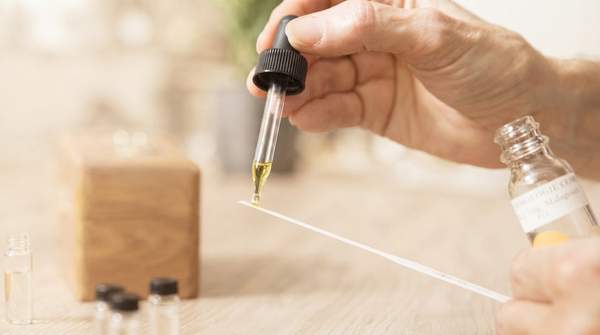
Targeting Specific Skin Conditions

Topical probiotics have demonstrated beneficial effects for inflammatory skin diseases, including acne, rosacea, and psoriasis, as detailed by topical probiotics: more than a skin deep - pmc - nih. This targeted action calms inflammation and restores balance in compromised skin. Beyond chronic conditions, topical probiotics also play a promising role in wound healing, accelerating repair and reducing infection risk. The efficacy of topical probiotics in treating inflammatory conditions positions microbiome-focused skincare as a medical-grade intervention, moving beyond superficial cosmetic benefits to offer targeted relief for challenging skin conditions.

Beyond the Surface: Broader Implications for Skin Health

Prebiotics and probiotics do more than add 'good' bacteria; they actively modulate the skin's immune responses and produce antimicrobial compounds, offering a sophisticated biological defense against pathogens and inflammation. Probiotics can suppress and improve skin diseases by decreasing oxidative stress, suppressing inflammatory responses, and maintaining immune effects, according to the role of probiotics in skin health and related gut–skin axis. This comprehensive action supports overall skin vitality. These ingredients offer a holistic approach to skin health, addressing multiple pathways to improve resilience and reduce disease symptoms. Companies failing to integrate microbiome-balancing ingredients overlook a powerful, biologically aligned strategy for skin health, risking obsolescence as consumers increasingly seek science-backed, gentle solutions.

What Does the Research Look Like?

Are prebiotics or probiotics better for skin?

Neither prebiotics nor probiotics are inherently "better"; they fulfill distinct yet complementary roles. Prebiotics selectively nourish and promote the growth of beneficial microorganisms already residing on the skin. Probiotics introduce specific beneficial bacteria or their byproducts directly to the skin, offering immediate protective or balancing effects. Their combined use often yields more comprehensive benefits for a balanced skin microbiome.

What innovations are emerging in probiotic skincare?

Advanced research actively explores innovative delivery methods and formulations to maximize the efficacy and stability of these beneficial microbes in skincare products. For instance, studies aim to test the antimicrobial activity of L. casei ATCC 393 against Staphylococcus epidermidis and Staphylococcus aureus, encapsulating the probiotic strain in hyaluronic acid-coated alginate-prebiotic microspheres for topical application, according to Nature. This approach seeks to protect the probiotic and ensure its targeted action on the skin.

The Future of Skincare is Microbial

By Q4 2027, many leading cosmetic brands will likely feature enhanced lines of microbiome-friendly products, signaling a fundamental shift towards more effective, harmonious, and preventative skincare solutions.