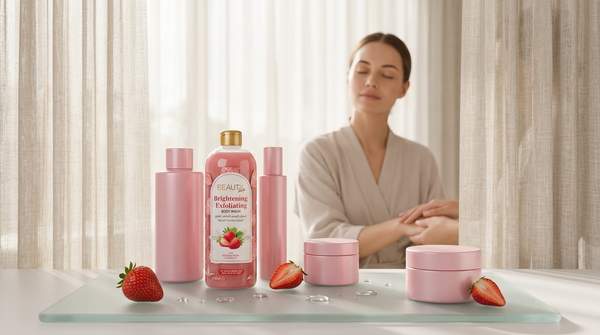
Overly complicated skincare routines, often packed with too many active ingredients.ts, can be counterproductive for skin health. These extensive regimens frequently lead to issues such as breakouts, a damaged skin barrier, dryness, irritation, and even perioral dermatitis, according to Graziamagazine. Consumers unwittingly damage their skin barrier and provoke these issues by adhering to the beauty industry's push for multi-product regimens, rather than achieving the promised glow.
The beauty industry frequently promotes extensive, multi-step routines for achieving radiant skin, healthy hair, and flawless makeup application, offering a myriad of products as essential beauty rules for 2026. However, expert consensus and skin science suggest that a simpler approach yields healthier, more balanced skin. The common belief that more products equal better skin is a myth; instead, excessive active ingredients in multi-step routines directly compromise the skin's natural barrier, leading to a cascade of issues rather than solving them.
Companies pushing complex, product-heavy skincare regimens will likely face increasing scrutiny as consumers become more aware of the benefits of minimalism, potentially shifting market demand towards fewer, more effective core products. The consensus from Vogue and Allure suggests that true skin health isn't found in a vanity full of bottles, but in a disciplined, three-step cleanse-treat-protect approach that respects the skin's natural balance.
1. The Essential Three: Cleanse, Treat, Protect
These three fundamental steps form the backbone of a routine that effectively cares for skin without overwhelming it, ensuring optimal health and resilience.
1. Daily Sunscreen Application (SPF 30+)
Best for: All skin types and concerns, particularly anti-aging and sun damage prevention.
Applying sunscreen with SPF 30 or higher daily is a non-negotiable final step in any skincare routine, offering critical protection against UV radiation, as advised by Allure.

Strengths: Prevents sunburn, reduces risk of skin cancer, minimizes premature aging and hyperpigmentation | Limitations: Requires consistent daily reapplication, can feel heavy depending on formulation | Price: Varies by product and brand.
2. Regular Cleansing (Twice Daily, with exceptions)
Best for: Most skin types, with adjustments for dry or sensitive skin.
Cleansing your complexion twice per day, once in the morning and once in the evening, is generally considered ideal to remove impurities, according to a more recent article in Allure. Dry skin, however, may benefit from using only plain water in the morning to maintain its natural balance.
Strengths: Removes pollutants, makeup, and excess oil; prepares skin for treatments | Limitations: Over-cleansing can strip natural oils; requires individualized approach for dry skin | Price: Varies by product and brand.
3. Utilize Oil-Based Cleansers for Waterproof Products
Best for: Users of waterproof makeup or mineral sunscreens, all skin types (including oily).
Oil-based cleansers effectively unclog pores and dissolve stubborn waterproof makeup and sunblock, performing better than other methods, according to a 2019 study cited by Healthline.
Strengths: Superior removal of waterproof formulas; gentle on skin; can be part of a double cleanse | Limitations: May require a second cleanse for some; can feel oily if not rinsed thoroughly | Price: Varies by product and brand.
4. Incorporate Vitamin C Serum in Morning Routine
Best for: All skin types seeking antioxidant protection, brightening, and anti-aging benefits.
Applying Vitamin C serum every morning, especially during summer, under sunscreen enhances protection against sunburn, redness, sensitivity, and pigmentation, as noted in a more recent article in Graziamagazine.
Strengths: Boosts sunscreen efficacy; powerful antioxidant; brightens complexion; supports collagen production | Limitations: Can oxidize if not stored properly; some formulations may cause initial sensitivity | Price: Varies by product and brand.
5. Embrace a Simplified Skincare Routine
Best for: All individuals, particularly those experiencing skin irritation or seeking a balanced complexion.
An optimal simplified skin-care routine, consisting of just three steps—cleanse, treat, and protect—supports the skin’s natural barrier and addresses core needs effectively, as suggested by Vogue.
Strengths: Reduces risk of irritation; maintains skin balance; cost-effective; time-saving | Limitations: Requires careful product selection for each step | Price: Not applicable for a routine concept, but reduces overall product expenditure.
6. Avoid Overly Complicated Routines with Too Many Actives
Best for: Individuals prone to sensitive skin, breakouts, or barrier damage.
Overly complicated skincare routines with an excessive number of active ingredients can be counterproductive, leading to issues like breakouts, a damaged skin barrier, and irritation, according to a more recent article in Graziamagazine.
Strengths: Prevents adverse reactions; allows skin to function optimally; simplifies product selection | Limitations: Requires resisting marketing pressures for multi-step systems | Price: Not applicable for an avoidance strategy, but saves money on unnecessary products.
7. Minimize Use of Potentially Irritating or Drying Products
Best for: Sensitive, dry, or compromised skin types, or anyone seeking improved skin hydration.
Reducing the use of products known to irritate or dry the skin helps the complexion balance its natural oils, leading to improved hydration and a softer texture, as noted by Vogue.
Strengths: Improves skin comfort and texture; supports natural moisture barrier; reduces redness | Limitations: Requires careful review of ingredient lists | Price: Not applicable for an avoidance strategy, but can lead to fewer product purchases.
2. The Pitfalls of Over-Treatment
Excessive cleansing can paradoxically lead to skin imbalances, highlighting the importance of moderation in daily routines.
| Skincare Practice | Intended Outcome | Actual Outcome (Risk) |
|---|---|---|
| Over-washing without moisturizer | Achieve deeper cleanliness, prevent oiliness | Triggers over-production of oil on the skin, according to Allure. |
| Minimalist cleansing with moisturizer | Maintain skin's natural balance, remove impurities gently | Supports skin barrier, prevents excessive oil production. |
3. Embracing Skin's Natural Balance
Minimizing the use of potentially irritating or drying products can significantly aid the skin in balancing its natural oils, leading to improved hydration and a softer texture, according to a more recent article in Vogue. Minimizing the use of potentially irritating or drying products directly counters the industry's push for multi-product regimens that often introduce unnecessary irritants. By reducing external irritants, skin can more effectively regulate its natural oils and improve its texture, fostering a resilient barrier.
4. Personalizing Your Minimalist Approach
Individuals can personalize their minimalist skincare routines to suit specific needs. For example, dry skin can benefit from using plain water in the morning instead of a traditional cleanser, as advised by Allure. Using plain water in the morning instead of a traditional cleanser helps maintain the skin's natural moisture barrier, preventing unnecessary stripping. Even within a minimalist framework, routines can be adjusted to suit specific skin types, ensuring optimal care without compromising the skin's inherent balance.
5. Common Questions on Simplified Skincare
Is it truly beneficial to skip morning cleansing?
Yes, for many skin types, especially dry or sensitive, skipping a traditional morning cleanse and simply rinsing with plain water can be highly beneficial. Skipping a traditional morning cleanse and simply rinsing with plain water helps maintain the skin's natural moisture and balance, preventing the stripping of essential oils that can occur with twice-daily cleanser use, according to Vogue. It supports the skin's natural barrier and can lead to a softer, more balanced complexion.
What is the primary function of the 'treat' step in a minimalist routine?
The 'treat' step in a minimalist routine serves as a proactive defense, not just a reactive solution for existing concerns. A single product, such as a Vitamin C serum, can amplify sunscreen's protective qualities, turning a basic routine into a powerful shield against environmental damage. Applying a single product, such as a Vitamin C serum, helps combat free radical damage and enhances overall skin resilience.
How does a complex routine contribute to a damaged skin barrier?
Overly complicated skincare routines, particularly those involving multiple active ingredients like various acids and retinoids, can overwhelm the skin's natural defenses. This constant exposure to potent ingredients can disrupt the lipid matrix, leading to micro-tears and increased permeability. The result is a compromised barrier that struggles to retain moisture and defend against external irritants, often manifesting as dryness, redness, and sensitivity.