In a living space, a single piece of furniture can shift the entire narrative from one of mass production to one of personal discovery. Consider the Anthropologie Judarn Asymmetric Serpentine Sofa, a furnishing described by WWD.com as an artful, luxe, and asymmetrical piece, crafted by hand with tapestry-inspired upholstery. This is not merely a place to sit; it is a centerpiece, a conversation starter, and an object that embodies a specific point of view. This example highlights a growing sensibility among discerning consumers, reflecting what some are calling the rise of found luxury interior design trend, where the emphasis is shifting from overt branding to pieces that feel personal, curated, and uniquely expressive. This movement appears to prioritize items that tell a story, whether through their unique form, bespoke origins, or functional ingenuity.
What People Are Doing Differently
An analysis of recent consumer choices in both interior design and fashion reveals a pattern of deliberate selection, favoring personalization and longevity. Instead of defaulting to widely recognized logos or ubiquitous styles, individuals are making more nuanced decisions that reflect a deeper engagement with the products they bring into their lives. This shift is not about rejecting luxury, but redefining it on more personal terms. The observable behaviors, as reported by industry publications, point toward a more considered approach to building a personal aesthetic.
According to recent reports, these behavioral changes manifest in several distinct ways:
- Prioritizing Statement Furniture: In home decor, the sofa is being re-envisioned as a primary artistic statement. According to a report from WWD.com, bold hues are a reigning trend, selected to instantly draw the eye and make the sofa a room's focal point. This is a move away from neutral, blend-in pieces toward furniture that actively shapes the character of a space.
- Valuing Adaptability and Function: The same report from WWD.com notes that modular seating is a key trend directing consumer behavior. These arrangements allow for the modification of a sofa’s orientation and size, catering to a lifestyle that values flexibility. Furthermore, consumers are reportedly turning to performance fabrics, which offer durability against spills and scratches, indicating that practicality and longevity are as important as aesthetics.
- Seeking Unique Silhouettes: Style-savvy individuals are reportedly prioritizing curvilinear, Art Deco–inspired sofas. This choice, according to WWD.com, is made to add flow and break up the monotony of straight lines in a room, suggesting a desire for more dynamic and visually interesting living spaces.
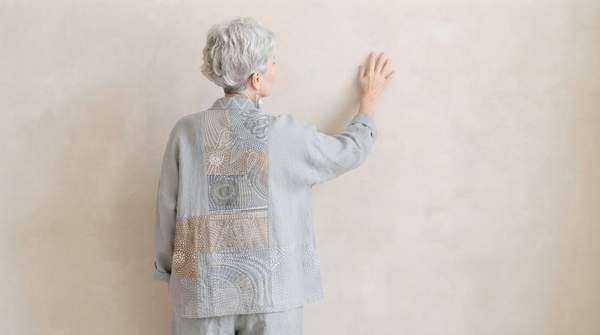
- Championing Timeless and Bespoke Fashion: In personal style, a similar ethos of curation is evident. A feature in Modern Luxury on Atlanta's best-dressed individuals highlights a preference for enduring style over fast fashion. Susan Rainey Fallon, for example, reports a preference for "timeless, classic silhouettes with unexpected details." When she cannot find what she envisions, she creates her own bespoke pieces, a definitive move toward a one-of-a-kind wardrobe.
- Integrating Versatility and Personal Flair: Other individuals profiled by Modern Luxury also express a desire for clothing that serves multiple purposes without sacrificing personal expression. John Plaster reportedly seeks pieces that make him feel polished yet approachable and are versatile enough for various occasions and travel. Julie Hagedorn favors understated, timeless items that are meticulously coordinated, demonstrating that fashion and function can coexist.
Why Consumers Prefer Unique Decor Over Brand Displays
While the evidence does not provide a single overarching cause for these shifts, the reported preferences of individuals offer insight into the values that may be guiding these choices. The decision to invest in a curvilinear sofa or a bespoke jacket is not arbitrary; it appears to be rooted in a desire for self-expression, quality, and a deeper connection to one's possessions. The common thread is a move away from passive consumption toward active curation, where each item is chosen for its specific contribution to a personal aesthetic and lifestyle.
In fashion, the values are articulated with notable clarity. Susan Rainey Fallon's approach, as she described it to Modern Luxury, centers on a love for "beautiful textures and refined craftsmanship." This appreciation for the material and the artistry behind a garment suggests that the intrinsic quality of a piece is more significant than its brand affiliation. Her willingness to commission bespoke items—"when I can’t find exactly what I envision, I create it"—underscores a commitment to a singular vision, something that cannot be bought off the rack. This is luxury defined not by a label, but by its perfect alignment with personal taste. It's a philosophy that can be applied to other areas of life, from selecting a handbag for a specific occasion to designing a living space.
Similarly, Julie Hagedorn's wardrobe choices reflect a balance of pragmatism and personal style. She told Modern Luxury that her fashion "lets me express personal flair in every setting," from tailored jumpsuits in a pottery class to monogrammed scrubs in the operating room. This perspective reframes luxury as something that is integrated into daily life, not reserved for special events. The emphasis on "meticulous detail" and coordination suggests that the thought and care put into an ensemble are where the value lies. This aligns with a broader interest in items that are not just beautiful but also intelligently designed for a multifaceted life.
These same values of personalization, function, and aesthetic expression appear to be mirrored in the reported interior design trends. The demand for modular sofas, as noted by WWD.com, reflects a need for furniture that can adapt to changing living situations, much like a versatile wardrobe. The turn toward performance fabrics speaks to a practical mindset, prioritizing longevity and ease of use. At the same time, the popularity of bold colors and unique, Art Deco-inspired shapes indicates that homeowners are not willing to sacrifice personality for practicality. They want their homes, like their wardrobes, to be a reflection of who they are—dynamic, expressive, and thoughtfully put together.
Real Examples of Curated Personal Style
The abstract concept of "found luxury" becomes tangible when looking at specific examples of how these preferences are put into action. These cases illustrate the deliberate process of selecting or creating pieces that resonate on a personal level, far from the influence of mass-market trends.
One of the clearest examples in interior design is the type of statement sofa gaining traction. The aforementioned Anthropologie Judarn Asymmetric Serpentine Sofa, highlighted by WWD.com, serves as a prime case study. Its description as "artful" and "crafted-by-hand" immediately distinguishes it from conventional, mass-produced furniture. The asymmetrical, serpentine form is inherently unique, designed to challenge the rigid geometry of a typical room. Its tapestry-inspired upholstery adds a layer of texture and historical reference, giving the piece a sense of narrative and depth. An object like this is not chosen for its brand name but for its ability to function as a piece of sculpture, transforming a living room into a curated gallery of personal taste.
In the realm of fashion, Susan Rainey Fallon’s methodology, reported in Modern Luxury, provides a powerful example of personal curation taken to its logical conclusion. Her wardrobe philosophy is not about acquiring items but about realizing a vision. Her statement, "I’ve always had a clear sense of what I love," is the foundation of a highly intentional style. By prioritizing "timeless, classic silhouettes," she builds a collection that transcends seasonal trends, focusing instead on enduring elegance. The crucial element is her addition of "unexpected details," which infuses classic forms with individuality. Her ultimate step—creating her own garments—is a direct rejection of the idea that personal style must be limited by what is available on the market. This approach is the essence of bespoke luxury, where the ultimate brand is oneself.
Profiled in Modern Luxury, John Plaster reportedly values clothing for its ability to make him feel "polished and approachable," using his wardrobe to communicate a specific social identity. His emphasis on versatility for travel and multiple occasions reflects a practical, efficient approach to luxury: it is not about owning more, but owning the right pieces that perform across different contexts. This mindset, where each item is selected to contribute to a cohesive and functional whole, is reflected in emerging men's fashion trends, which often blend classic tailoring with functional elements.
What This Means Going Forward
Observed behaviors—from selecting modular, high-performance sofas to commissioning bespoke garments—are specific and grounded in current reports. These choices suggest a re-evaluation of valuable and desirable objects in luxury markets, shifting focus towards curated items that reflect personal narrative, functionality, and durability.
The clear emphasis on functionality, seen in both the demand for performance fabrics in furniture and versatile clothing, poses a question for designers and brands: How will the synthesis of aesthetics and high-performance utility evolve? As consumers increasingly expect their beautiful objects to also be durable and adaptable, this could prompt further innovation in material science and multi-functional design, perhaps even integrating smart technologies as seen in the latest smart home devices. Another open question revolves around personalization. As individuals like Susan Rainey Fallon demonstrate a willingness to go beyond retail to create bespoke pieces, what might this indicate for the future of custom manufacturing? It prompts consideration of whether new models of co-creation between consumers and brands could become more mainstream, allowing for a deeper level of personalization in both fashion and home goods.
Key Takeaways
- Interior design trends, noted by WWD.com, show consumers reportedly leaning toward statement furniture, including bold hues, modular forms, and unique curvilinear sofas.
- Modern Luxury reports personal fashion choices value timeless silhouettes, refined craftsmanship, and versatility, with some individuals commissioning bespoke pieces for specific visions.
- Functionality and durability are key, evidenced by reported consumer turns to performance fabrics for furniture and desires for versatile, practical clothing that expresses personal style.
- These choices underscore a move toward active curation, where home and wardrobe items are selected or created to reflect a unique personal narrative, not merely brand display.