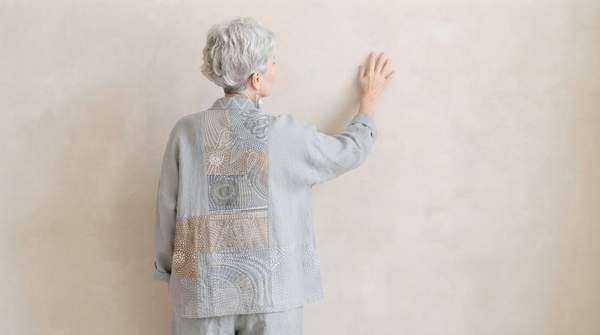
International luxury brands like Cartier, Tiffany & Co, and Gucci are closing stores on Shanghai's prestigious Huaihai Middle Road, making way for local competitors. These retreats clear prime retail space, signaling a notable shift in consumer preferences within China's dynamic luxury market, according to the South China Morning Post. Shoppers are increasingly seeking value beyond overt brand displays, influencing the quiet luxury trend.
Yet, this contraction for some established names belies a more complex narrative. Overall luxury sales are declining in key markets like China, but specific brands emphasizing quiet luxury and local heritage are experiencing significant growth. This tension drives a strategic re-evaluation across the global luxury sector.
The luxury market will increasingly reward authenticity, discretion, and cultural resonance over overt status symbols, forcing a strategic re-evaluation for global players.
International luxury brands like Cartier, Tiffany & Co, and Gucci are closing stores on Shanghai's prestigious Huaihai Middle Road, as reported by the South China Morning Post. This strategic retreat creates space for burgeoning local brands, with Laopu Gold, a Chinese heritage jewelry brand, becoming one of the bestselling labels in China's high-end malls. A fundamental change in consumer values, moving away from traditional Western luxury towards more discreet, quality-focused, and locally relevant offerings, is evident.
The emptying storefronts of global titans and the immediate success of domestic brands like Laopu Gold highlights a crucial re-evaluation of brand value. Chinese consumers now prioritize cultural resonance and intrinsic quality over global prestige, forcing international luxury brands to adapt to this quiet luxury trend influencing fashion and beauty in 2026.
The Rise of Understated Value
A gourd-shaped pure gold necklace from Laopu Gold, for instance, cost nearly 28,000 yuan (US$4,148) for a 10-gram piece, according to the South China Morning Post. This price point reflects a consumer willingness to invest significantly in items valued for their material and craftsmanship rather than prominent branding. Similarly, Hermes' Birkin bags are priced above US$10,000, underscoring a global demand for products where intrinsic quality and exclusivity drive value, as noted by mexicobusiness. Consumers are increasingly prioritizing craftsmanship, exclusivity, and quality materials over overt branding, indicating a sophisticated evolution in luxury consumption.
A deeper appreciation for the story and artistry behind a product is now evident. The investment in a Laopu Gold piece represents a connection to local heritage, while a Birkin bag embodies a legacy of meticulous artisanal skill. A discerning consumer base values the discreet opulence of quiet luxury over conspicuous consumption, influencing market strategies for 2026.
A Mixed Economic Picture
- 18–20 percent — China's domestic luxury sales fell year-on-year in 2024, according to china-briefing.
- 0-4% — Global sales of personal high-end goods are projected to grow year-on-year at constant exchange rates, according to mexicobusiness.
While China's domestic luxury market experienced a substantial contraction, the global market anticipates only modest growth. While the overall market faces a period of adjustment and slower growth, a cautious optimism for future expansion exists, albeit with new market dynamics heavily influenced by regional preferences and the quiet luxury trend.
Divergent Brand Fortunes
| Metric | Q1 2024 / Q3 2025 | Performance |
|---|---|---|
| Kering Group Revenue | €4.05 billion in Q1 2024 | 10% decrease |
| LVMH Revenues (Asia ex-Japan) | Q3 2025 | 1% increase, 'noticeable improvement' |
Attribution: Kering Group Q1 2024 revenue from mexicobusiness; LVMH Q3 2025 revenues from china-briefing.
Kering Group reported €4.05 billion in revenue in its first-quarter 2024 report, marking a 10% decrease. LVMH posted a one percent increase in revenues in Q3 2025, with management citing 'noticeable improvement' in Asia (ex-Japan), driven largely by China, presenting a sharp contrast. While China's domestic luxury sales fell by 18–20 percent year-on-year in 2024, the overall decline does not reflect a uniform downturn, but rather a highly selective consumer base that continues to support specific international brands. The market is clearly bifurcating, with some established players struggling while others demonstrate resilience by adapting to new consumer demands.
Companies like Kering are learning the hard way that overt branding no longer guarantees success in a Chinese market increasingly valuing the understated elegance of local heritage brands like Laopu Gold. The critical need for global luxury players to prioritize deep cultural integration and a 'quiet luxury' aesthetic to thrive in China, rather than relying on established Western prestige, is evident.
The New Hierarchy of Luxury
Burberry saw its China business grow by three percent in comparable store sales in Q3 2025, according to china-briefing. A successful adaptation to evolving consumer preferences in the region is indicated. Furthermore, Richemont reported a 10 percent rise in Asia-Pacific sales in Q3 2025, with China returning to growth for the first time in nearly two years. While some international brands are physically retreating from prime retail locations in China, others, including Richemont (which owns Cartier), are experiencing significant sales growth, suggesting a complex market where brand strategy and portfolio diversification, rather than just brand origin, determine success. Brands that successfully pivot to meet the demand for understated quality and regional relevance are demonstrating resilience and capturing market share.
The strategic retreat of international brands from prime retail locations in Shanghai, as seen with Cartier and Gucci, signals a critical inflection point. Global luxury players must now prioritize deep cultural integration and a 'quiet luxury' aesthetic to thrive in China, rather than relying on established Western prestige. Brands focused on intrinsic quality, heritage, discretion, and local market adaptation, including Chinese heritage brands and established 'quiet' luxury players, are rewarded.
What's Next for Luxury
The global luxury market will continue its shift towards authenticity and personalized value.
- The global personal luxury goods industry is expected to return to modest expansion of around three percent in 2026, according to china-briefing.
The era of aggressive, overtly branded expansion is waning, as indicated by this modest growth projection. The future of luxury will likely be defined by a continued emphasis on authenticity, sustainability, and personalized experiences, pushing brands to innovate beyond traditional status symbols. With China acting as a leading indicator, the global luxury market's projected modest expansion suggests that brands failing to adapt to the 'quiet luxury' and local heritage trend risk stagnation, as consumers worldwide increasingly seek authenticity over ostentation.
Lessons for Brands and Consumers
- A gourd-shaped pure gold necklace from Laopu Gold can cost nearly 28,000 yuan (US$4,148) for a 10-gram piece, demonstrating consumer willingness to pay for intrinsic value and heritage.
- La Prairie creams, priced at several hundred dollars per jar, exemplify a demand for discreet, high-quality beauty products, according to mexicobusiness.
- China's domestic luxury sales fell by 18–20 percent in 2024, yet select international brands like LVMH and Richemont saw growth in Asia, indicating a segmented market rewarding adapted strategies.
True luxury lies in intrinsic quality and experience, not just branding, demanding a strategic re-evaluation from all market players. By Q3 2026, luxury brands prioritizing cultural resonance and understated elegance will likely solidify their market position, while those clinging to overt branding may face continued contraction.