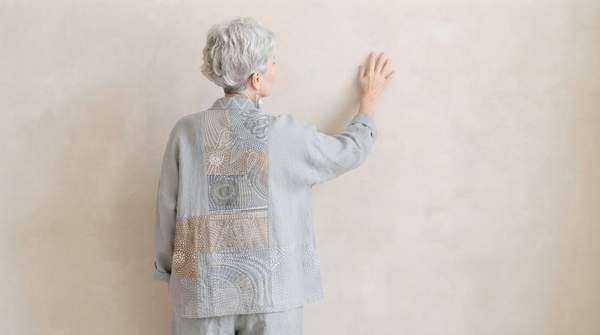
Japanese Sashiko, a traditional stitching technique born from necessity, has transcended its utilitarian origins to become a significant influence in contemporary global fashion design. Once a practical method for reinforcing and repairing textiles, Sashiko's distinctive running stitches and aesthetic principles are now reinterpreted by designers, transforming garments and aligning with modern trends such as sustainability and visible mending. This evolution highlights how an ancient craft, rooted in resourcefulness, continues to find new relevance and aesthetic appeal in the modern world. The Enduring Legacy of Sashiko: From Necessity to Art
Sashiko, meaning "little stabs" in Japanese, originated in ancient Japan, particularly during the Edo period (1603-1867), as a craft developed by women to maximize the utility of fabric. As Shaina Scott explains for Yumiyarns, it began not as decoration but as a necessity for survival, especially in northern Japan. The technique was primarily used to reinforce worn fabric, layer textiles for warmth, and extend the life of clothing, embodying practicality, thrift, and resourcefulness.
This country stitching was crucial for the working class, allowing them to make garments more durable and warmer. Stitched Up highlights that Sashiko emerged from the need to make the most of small fabric pieces, a common characteristic of folk arts and women-created crafts. The exact timing and knowledge of its original inventor have been lost over time. While its initial purpose was purely functional, the simple running stitches, repeated hundreds of times, gradually formed repeating patterns that became beautiful, evolving from repair into a form of expression. This transformation from a purely functional craft to a decorative element reflects a broader cultural shift towards valuing artisanal techniques and sustainable practices.Sashiko's Traditional Methods and Visual Language
At its core, Sashiko is characterized by simple, evenly spaced running stitches, which Seamwork describes as forming geometric, all-over patterns. The name "little stabs" directly refers to these regular stitches made on the fabric. While often likened to embroidery, Sashiko's traditional application was distinct, focusing on reinforcing fabric rather than purely decorative needlework, according to ELLE India.
Traditionally, Sashiko involved using thick, tightly twisted cotton thread, most commonly in white, against deep indigo cloth, creating a quiet yet striking contrast. These patterns, whether waves, circles, diamonds, or intricate grids, could completely alter a textile's character. A single stitch might appear insignificant on its own, but when repeated hundreds of times, it creates a powerful visual impact, as Unnati Sheth notes for ELLE India. The regularity and precise use of space in Sashiko patterns are visually pleasing, but their aesthetic was initially intertwined with their function, contributing to the fabric's strength and longevity. This combination of decorative technique with mending and quilting was a hallmark of traditional Sashiko.Reinterpreting Tradition: Sashiko in Contemporary Fashion
In contemporary fashion, Sashiko has moved beyond its traditional setting, finding a new audience among designers and consumers alike. Unnati Sheth, writing for ELLE India, observes that designers are drawn to its strong graphic quality, while shoppers appreciate clothing that visibly showcases its making. This revival does not mean Sashiko is confined to its original form; its language is now applied across various materials, including denim, cotton, outerwear, and accessories, while preserving the core idea of careful craftsmanship.
Modern designers integrate Sashiko into garments such as denim, statement outerwear, and tailoring. What once belonged largely to functional clothing can now feel perfectly at home in high fashion. The technique can be applied across an entire garment for a bold statement or as a smaller detail on a pocket, sleeve, hem, or jacket panel, transforming its functional origins into decorative or symbolic elements. This adaptation allows Sashiko to offer a distinctive look without being overly ostentatious, providing textiles with texture, history, and a tactile quality that digital prints cannot replicate, as ELLE India notes. The ability of Sashiko to look distinctive without needing to "shout" is a significant draw for contemporary fashion.
Aesthetic Impact and Modern Relevance
Sashiko's influence in contemporary fashion aligns seamlessly with several modern trends, including visible mending, upcycling, and craft-led dressing. The fashion industry's growing fascination with Japanese workwear and indigo textiles has further brought Sashiko's details into focus, according to ELLE India. This traditional technique's inherent values of durability and repair are recontextualized within current sustainability movements, offering an aesthetic that celebrates longevity and thoughtful consumption.
The textured, hand-stitched quality of Sashiko provides a narrative of heritage and authenticity, resonating with consumers who seek unique, artisanal products. This distinct appeal makes Sashiko desirable in both luxury and ready-to-wear collections, offering a sense of touch that digital prints cannot quite replicate. By embracing Sashiko, contemporary fashion not only honors an ancient craft but also champions a philosophy where old techniques are given new life, proving that traditional methods can remain relevant and impactful in a rapidly evolving design landscape. This reinterpretation underscores that sometimes, all old techniques need is a new canvas to demonstrate their enduring value.