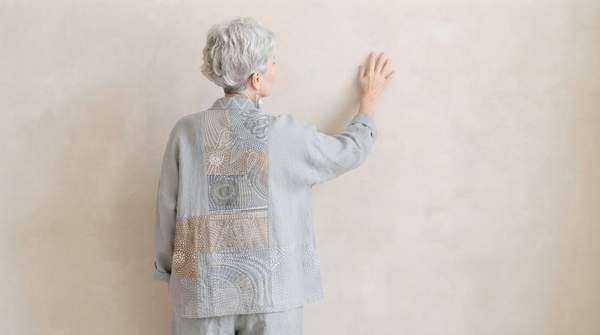
An unbranded cashmere sweater recently fetched $5,000 at auction, eclipsing visibly branded designer items, reports Art & Fashion Review. A new generation of luxury consumers, Millennials and Gen Z, now prioritize discretion, cultural significance, and sustainability over prominent logos, a profound shift highlighted by this single sale. Traditional luxury has long equated value with visible branding, but today's influential buyers define luxury by its absence of overt logos and its alignment with personal values. Intrinsic quality, ethical production, and timeless design will likely eclipse brand ubiquity, forcing established leaders to innovate or face decline, a reorientation that challenges legacy brands.
Beyond the Logo: What Defines Quiet Luxury?
Discreet brands like Loro Piana and Brunello Cucinelli now boast double-digit growth, while logo-heavy competitors falter, reports Luxury Market Insights. Simultaneously, Google Trends Analysis shows 'unbranded luxury' and 'minimalist high fashion' searches have surged over 200% in the past year. A redefinition of status is shifting from overt display to an appreciation for intrinsic quality and exclusivity, a trend revealed by this convergence.
Quiet luxury champions superior craftsmanship, premium materials, and timeless design over fleeting trends, according to the Fashion Institute Study. Its aesthetic favors neutral palettes, clean lines, and subtle textures, ensuring versatility and endurance, notes Vogue Business. The Ethical Consumer Report confirms consumers pay a premium for longevity and ethical production, reflecting a deeper value system. Even the shopping experience turns discreet, with preferences for private appointments and personalized service over flashy retail, according to a Luxury Retailer Survey. Intrinsic value and personal resonance are elevated above external validation, fundamentally reshaping luxury's essence, a paradigm shift.
The Numbers Behind the Understated Shift
- 8.5% — The global quiet luxury market is projected to grow at a Compound Annual Growth Rate over the next five years, reaching $500 billion, according to the Bain & Company Luxury Report.
- 15% — Brands associated with quiet luxury saw an average revenue increase, outperforming the broader luxury market, as stated in the Deloitte Luxury Index.
- 300% — Online searches for 'stealth wealth' and 'minimalist luxury brands' have increased year-over-year, according to SEMrush Data.
- 60% — Consumer surveys indicate that high-net-worth individuals now prefer discreet luxury items over overtly branded ones, a finding from the UBS Wealth Management Survey.
Quiet luxury is no niche; it is a rapidly expanding segment, reshaping the entire luxury landscape, as these figures confirm.
Why the Volume is Turning Down: A Generational Redefinition of Status
Millennials and Gen Z prioritize cultural significance, sustainability, and discretion, defining 'quiet' luxury, states The Observer. This generation, keenly aware of wealth inequality and environmental impact, rejects ostentatious displays, reports the Pew Research Center. Social media, ironically, fuels a desire for authenticity and personal style beyond fleeting trends, according to a Social Media Trends Report. Post-pandemic, consumers emphasize comfort, longevity, and investment pieces over disposable luxury, notes McKinsey Consumer Pulse. Status now stems from informed choices and personal values, not overt material display.
From Runway to Reality: Brands Leading the Quiet Revolution
The Row, founded by the Olsen twins, embodies quiet luxury with its minimalist aesthetic, premium fabrics, and absent branding, notes Fashionista. Bottega Veneta, under new creative direction, now focuses on intricate craftsmanship and unique textures, shedding its iconic logo, reports the Business of Fashion. Zegna invests in traceability and sustainable sourcing, attracting consumers who value ethical production, highlights Bloomberg Green. Even high-end watchmakers like A. Lange & Söhne, revered for intricate internal mechanisms and understated exteriors, see renewed interest, states the Watch Collector's Journal. Success in quiet luxury demands genuine commitment to quality, design, and ethics, not mere marketing, as these examples prove.
The Future of Luxury: Adapt or Be Left Behind
The trajectory suggests a bifurcated luxury market: overt branding becomes a niche, while true value, discretion, and sustainability define the mainstream high-end.
- Traditional luxury brands increasingly acquire or collaborate with smaller, discreet labels to integrate quiet luxury aesthetics, according to the M&A Luxury Report.
- Emphasis on craftsmanship and bespoke services will drive innovation in material science and production techniques, discussed at the Future of Fashion Summit.
- Marketing strategies will pivot from celebrity endorsements to storytelling around heritage, sustainability, and unique design, as per a Brand Strategy Review.
- The resale market for high-quality, unbranded luxury items is projected to grow significantly, reflecting their enduring value, according to The RealReal Annual Report.
Brands failing to adapt risk irrelevance. Luxury brands clinging to overt branding actively alienate Millennials and Gen Z, ceding the future market to discreet, value-aligned competitors, as The Observer highlights. True luxury now embodies substance, not superficial status.
If legacy luxury brands do not pivot swiftly from logo-centric marketing to intrinsic value and discreet design, their market share will likely diminish significantly by Q3 2026.