What is Terroir and Why Does It Matter for Food Trends?

Imagine a future: high-quality wine birthed by 'terroir-less yeast avatars' with designer genomes.

CR
Camille Rousseau

April 24, 2026 · 4 min read

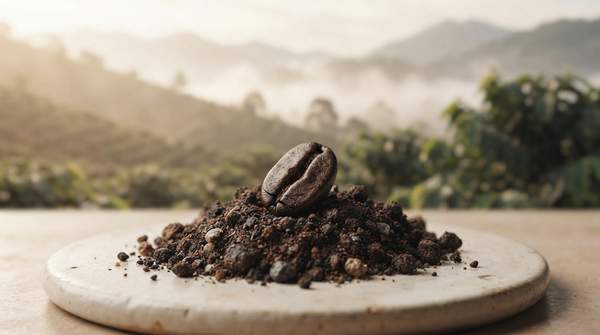
A split image contrasting a traditional vineyard representing terroir with a futuristic laboratory symbolizing biotechnology in food production.

Imagine a future: high-quality wine birthed by 'terroir-less yeast avatars' with designer genomes. This vision, projected by pubmed, portends a profound shift in how the food industry defines quality and origin. It challenges centuries of belief that taste is inextricably tied to specific landscapes, threatening the very essence of unique flavors.

Yet, the celebration of unique, place-specific tastes revitalizes communities. This tension forces a looming choice: embrace the cultural richness of traditional terroir, or prioritize the efficient, scalable, but geographically detached products of bio-engineering.

The future of food and wine will weave deeply rooted regional identities with sophisticated biotechnological interventions. This article explores terroir's role in 2026 culinary innovation, examining how tradition intersects with emerging technologies, reshaping our understanding of flavor and authenticity.

What is Terroir, Anyway?

Terroir, a French term, describes the complete natural environment shaping a food item. Soil, topography, climate, and human practices all contribute. Most famously, it defines wine: the limestone soils of Burgundy yield different flavors than Beaujolais' granite, notes Thecommontable Eu. This deep connection between land and taste shaped culinary identity and quality, especially in traditional European contexts.

Beyond grapes, terroir defines cheeses, olive oils, and even vegetables, imbuing them with a unique sense of place. A product's true essence, its aroma, texture, and sensory profile, becomes inseparable from its geographic origin.

Beyond Wine: Terroir's Modern Impact on Communities

In 2026, place-specific tastes, long celebrated in France, now revitalize neighborhoods and communities, reports The New York Times. Terroir functions as more than a taste descriptor; it acts as a powerful cultural and economic engine. Local producers leverage unique environmental conditions, crafting products that resonate with local identity, attracting tourism and investment.

This revitalization extends to local markets and small-scale agriculture, strengthening community bonds. Consumers seek these authentic, place-specific culinary experiences, valuing the story and heritage in each product. This trend reinforces local economies and preserves traditional foodways, a tangible counterpoint to mass production.

The Paradox of Progress: Terroir and Food System Challenges

Despite terroir's cultural and economic benefits, its traditional application doesn't solve broader food system inefficiencies. France, a nation synonymous with terroir, improved less than 10% of its food supplies in 2023, according to eatlikethefrench. This figure reveals terroir, while celebrating quality, doesn't translate to broad improvements in food supply efficiency or accessibility for an entire nation. This poses a complex challenge for countries rooted in culinary tradition, hinting at a market void for technological solutions.

Reliance on specific geographic conditions also limits scalability and resilience against environmental changes. Traditional terroir-based production, while valued for its unique character, struggles to meet growing population demands or adapt to climate shifts. This creates a tension between preserving heritage and ensuring food security.

Why Terroir Matters More Than Ever

The tension between local revitalization and biotechnological disruption forces a looming choice for consumers and producers. Understanding terroir helps us appreciate both local identity's unique value and the potential for new food production forms. Consumers navigate a complex market, weighing traditional products' cultural narrative against innovation's promised efficiency.

Based on pubmed's projection of "terroir-less yeast avatars," the food industry stands on the cusp of redefining quality. Engineered perfection could soon eclipse the romanticized notion of geographical authenticity. Producers must balance heritage with scalability, communicating value in a world where origin becomes a choice, not a fixed attribute.

Your Questions About Terroir, Answered

What is the impact of terroir on modern cooking techniques?

Terroir significantly influences modern cooking, pushing chefs to prioritize local, seasonal ingredients and regional preparations. This focus sparks innovative techniques that highlight indigenous produce, meats, and dairy. The New Nordic Cuisine movement, for instance, explored by Nordicfoodlab, emphasizes foraging and local sourcing to define a distinct regional culinary identity, directly applying terroir principles.

Can terroir be recreated or is it unique to a region?

Traditionally, terroir is unique, inseparable from its geographic origin—a complex interplay of environmental and human factors difficult to replicate. Yet, biotechnology challenges this, engineering flavors and characteristics once thought exclusive to regions. While chemical profiles might be recreated, the cultural narrative and historical context remain inherently tied to a physical place.

Examples of culinary innovation driven by terroir in 2026?

In 2026, terroir-driven culinary innovation includes specific fermentation processes tailored to local microbiota, yielding unique regional sourdoughs or fermented beverages. Urban farming initiatives also cultivate heirloom varieties adapted to city microclimates, offering hyper-local produce with distinct flavor profiles. These efforts blend traditional knowledge with modern agricultural and culinary science.

The Future of Flavor: A Blended Reality

Biotechnology's engineered "terroir-less" flavors directly threaten to undermine the economic and cultural revitalization driven by traditional, place-specific food production. The New York Times observes place-specific tastes revitalize communities, suggesting biotechnological advancements, while efficient, risk eroding the cultural and economic fabric of traditional food production. This creates a zero-sum game between innovation and heritage, defining the culinary landscape of 2026 and pushing consumers and producers to redefine value.

By Q4 2026, food scientists developing engineered yeast strains at specialized biotech firms will likely face increasing scrutiny regarding their products' ethical and cultural implications. This scrutiny will intensify as "terroir-less" wines and other foods become commercially viable, compelling the industry to address consumer demand for both authenticity and efficiency.