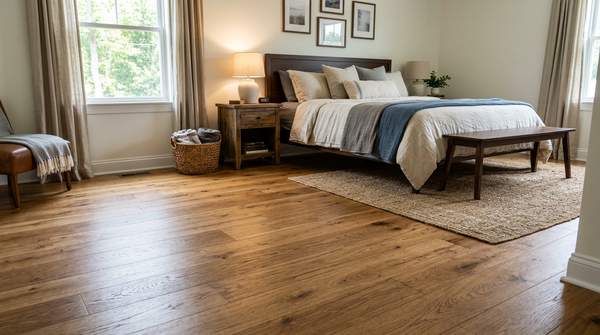
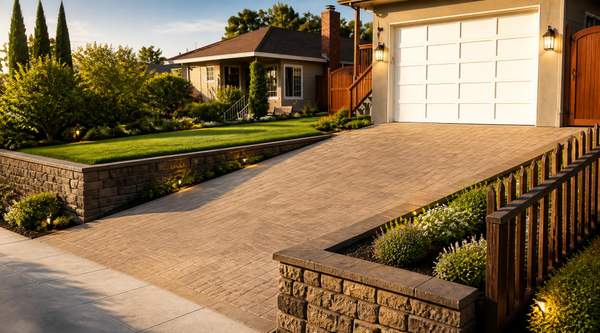
Recent research reveals traditional interior design practices can significantly harm the environment, potentially exceeding a structure's lifetime carbon emissions from construction, according to RMCAD. This unaddressed environmental debt stems from choices largely ignored by current building sustainability frameworks. The cumulative impact of these design decisions presents a substantial ecological challenge.
Most focus on a building's initial construction impact. Yet, ongoing interior design choices often cause greater long-term ecological damage. This disparity reveals a critical oversight in current green building certifications, where interiors receive less scrutiny than the structural shell.
As awareness of interior design's hidden environmental costs grows, life-cycle assessments and sustainable material sourcing will likely become standard. This redefines responsible living, shaping eco-friendly spaces for 2026 and beyond. For more, see our What Are Sustainable Interior Design.
What is Sustainable Interior Design?
Sustainable interior design creates spaces minimizing environmental impact and promoting human health. It integrates material selection, resource efficiency, and long-term durability. This approach saves resources, decreases pollution, and reduces carbon footprints, according to Considerate Consumer. It actively avoids waste, a stark contrast to traditional practices prioritizing short-term aesthetics over ecological longevity.
Materials That Make a Difference
Material selection profoundly impacts a project's environmental footprint. Bamboo, a rapidly renewable resource, offers strength and durability, notes RMCAD. Reclaimed wood, sourced from old structures, finds new life in furniture, reducing virgin timber demand. Recycled glass, from old jars and bottles, becomes decor, countertops, and accent pieces. These choices prove eco-friendly design need not compromise aesthetics or functionality; it simply redefines resource value.
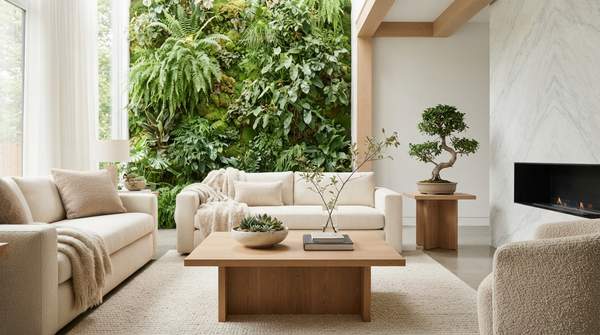
Beyond Materials: A Holistic Approach
A truly sustainable interior strategy encompasses a project's entire lifecycle, not just individual materials. The U.S. Green Building Council (USGBC) recommends life-cycle assessments (LCA) for tenant improvements and renovations, including structure and enclosure, according to interiors life-cycle impact reduction | U.S. Green Building Council. This evaluation tracks environmental impacts from extraction to disposal. RMCAD's research highlights interior design's hidden environmental debt, generating more lifetime carbon emissions than the structures themselves. This often goes unnoticed. The USGBC's voluntary recommendations, set against RMCAD's findings, reveal their insufficiency. Mandatory, comprehensive lifecycle assessments for all interior projects are imperative to avert an escalating environmental crisis. Prioritizing aesthetics over lifecycle-assessed materials leads to a larger carbon footprint than initial building construction, exchanging fleeting appeal for lasting ecological harm.
Practical Steps for Eco-Friendly Living
What are the key principles of sustainable interior design?
Sustainable design prioritizes resource efficiency, material health, and indoor environmental quality. It emphasizes durability, adaptability, and low embodied energy materials, minimizing waste and promoting occupant well-being throughout a space's lifespan.
How can I make my home more eco-friendly through design?
Select durable, long-lasting furniture and decor to reduce frequent replacements. Prioritize recycled, renewable, or locally sourced materials. Shopping locally reduces carbon footprint, air pollution, and traffic, according to Considerate Consumer. Integrate energy-efficient lighting and water-saving fixtures.
What materials are best for sustainable interior design?
Bamboo, cork, recycled metals, and low-VOC paints are excellent choices. Seek certifications like Forest Stewardship Council (FSC) for wood or Cradle to Cradle for broader material sustainability. These ensure products meet stringent environmental and social standards.
The Future is Green
If current trends continue, major design firms like Interface and Herman Miller will likely integrate comprehensive lifecycle assessments into all product lines by 2026, setting a new industry standard for environmental accountability and redefining responsible design practices.