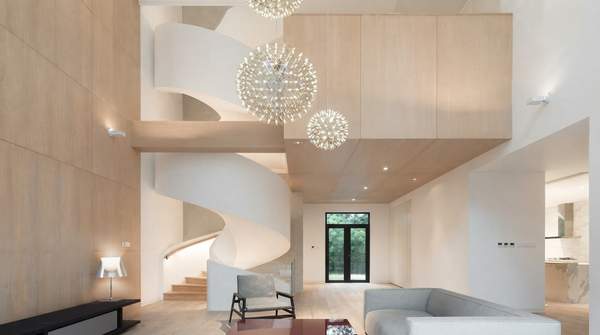
Warmth in 2026 luxury interiors is not a single material or color — it is a coordinated strategy. Design reporting for the year converges on three pillars working in concert: the guiding philosophy of Warm Minimalism, character-rich natural materials, and sculptural, layered textures. Designers describe the shift plainly. "Warmth has become more than just a color palette or a particular material," Laura Gerber, founder of ODE Design, told House Beautiful. "It's about spaces that feel authentic, comfortable, and reflective of the people who live in them."
Pillar 1: The Philosophy of Warm Minimalism
Warm Minimalism is rising as one of 2026's most influential design styles, according to trend coverage from the wood-products manufacturer Woodgrain. The concept is deliberately hybrid: people still appreciate the simplicity and clarity of traditional minimalism, but they now want it to feel more comfortable, expressive, and livable. The philosophy achieves that balance by introducing natural textures, soft neutrals, tactile materials, and inviting layers while maintaining an uncluttered look.
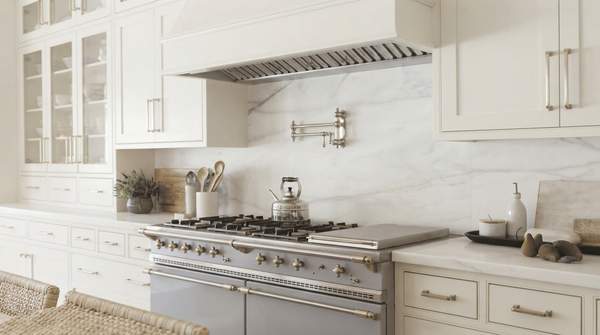
This is a reaction to years of cool neutrals and stark minimalist interiors. Luxury-market reporting from DF Luxury Homes frames the same change from the buyer's side: cool, minimal spaces are giving way to rooms with warmth and depth, built from creamy neutrals, rich wood tones, textured fabrics, natural stone, woven accents, and layered lighting. The most desirable homes in this reading feel elegant, comfortable, and highly personal, supporting entertaining, wellness, and relaxation rather than projecting a single strict look.
The psychological driver is emotional resonance. Warm Minimalism keeps the calm of minimalism — clear sightlines, restrained palettes, uncluttered surfaces — but replaces clinical coldness with materials that invite touch and time spent in a room. That balance of simplicity and comfort is the framework on which the other two pillars hang.
Pillar 2: Character-Rich Natural Materials
The second pillar is a decisive shift in material palettes. On the wood side, grains and tonal variation matter more than perfect matching. Woodgrain's 2026 trend report describes homeowners learning to harmonize rather than match wood tones, reflecting a broader movement toward interiors that feel natural, welcoming, and curated. House Beautiful's designer reporting makes the aesthetic case: grain variation adds visual depth and makes a room feel warmer and more inviting, even when the color palette stays understated.
Stone undergoes an equally deliberate transformation. SurfacesGalore, a stone-industry specialist, reports that the 2026 luxury market has moved from polished to textured finishes — honed, leathered, and matte surfaces now dominate major architectural projects because they value touch as much as sight. The distinction is functional as well as sensory: honed and leathered finishes hide minor scratches better than polished surfaces, making them practical for residential floors and kitchen counters.
Color follows texture. InterLux Interiors, writing on early-2026 stone trends, notes that cool greys and stark whites are giving way to stones in warm taupe, creamy ivory, buttery beige, soft caramel, and gentle sand tones — palettes the report describes as organic and emotionally grounding. The common thread, in that source's interpretation, is a deeper cultural desire for natural texture and sensory richness rather than transient styling.
Pillar 3: Sculptural and Layered Textures
Texture is applied, not just selected. Fluted and reeded millwork — architectural details with linear grooves and sculptural rhythm — is set to remain a major 2026 design element as textured surfaces replace smooth, flat planes, per Woodgrain's report. Designers are incorporating fluting into fireplace surrounds, kitchen islands, custom vanities, feature walls, and furniture. Because the grooves catch light, they add a soft, dimensional effect that works with both light and dark finishes, and Woodgrain expects the trend to evolve toward wider spacing, deeper grooves, and adventurous materials including stained wood, stone, concrete, and composites.
Stone itself is becoming sculptural. Decorative Materials' 2026 design-trend coverage highlights brushed and dimensional stone finishes that add depth and visual interest, reinforcing a layered aesthetic. That layering extends to whole-room composition: Stone Boutique's trend analysis describes pairing dolomite flooring with oak cabinetry and matte steel, or combining different stone types within a single room, to produce curated craftsmanship and textural richness. Earth-inspired palettes — terracotta and clay-inspired ceramics, travertine, limestone, warm-toned marble — pair seamlessly with wood cabinetry and architectural details, in that report's account.
Decision Framework: Pillars of Warm Luxury Design 2026
Use this framework to select and combine elements: each row contributes a distinct layer of warmth, and a successful project draws deliberately from all three columns of approach rather than relying on one.
| Design element | Key materials and finishes | Common applications | Contribution to warmth |
|---|---|---|---|
| Warm Minimalism philosophy | Natural materials, soft neutrals, tactile layers in an uncluttered look | Whole-home design approach for living and entertaining spaces | Keeps minimalism's calm while making rooms feel comfortable, expressive, and livable |
| Character woods | Harmonized rather than matched tones: oak, walnut, rift-cut and stained cabinetry | Paneling, cabinetry, floors, furniture | Organic grain variation adds depth and invites time spent in the room without formality |
| Soft stones with textured finishes | Honed, leathered, brushed, and matte finishes on limestone, quartzite, travertine, marble, granite, dolomite | Kitchen counters, floors, vanities | Values touch as much as sight; sensory engagement defines the premium feel, and textured finishes also hide minor scratches better |
| Warm stone palettes | Warm taupe, creamy ivory, buttery beige, soft caramel, gentle sand | Kitchens and bathrooms seeking atmosphere | Replaces cool greys and stark whites with tones described as organic and emotionally grounding |
| Fluted and reeded millwork | Linear-groove millwork in wood, stone, concrete, and composites | Fireplace surrounds, kitchen islands, vanities, feature walls, furniture | Catches light for a soft dimensional effect; gives simple forms movement and depth |
| Dimensional stone finishes | Brushed and fluted stone surfaces; mixed stone types in one room | Feature surfaces and layered material schemes | Reinforces a layered, visually dynamic aesthetic of curated craftsmanship |
The framework's logic: philosophy sets restraint, materials supply the sensory warmth, and texture turns both into visible, touchable interest. Skipping a layer — textural depth without warm materials, or warm materials without an uncluttered base — leaves the result incomplete.
Integrating Elements for a Cohesive Warm Luxury Home
Integration is where competing trend lists stop and a design project begins. Start with the Warm Minimalism base: a neutral, uncluttered envelope in creamy tones. Introduce character woods through cabinetry, paneling, and floors, harmonizing two or three tones rather than matching one. Layer in textured stone — a leathered quartzite counter, a honed limestone floor — in warm neutrals. Then add sculptural rhythm with fluted millwork on a single focal element: an island face, a fireplace surround, a vanity.
The layering should feel personal rather than staged. The designers cited by House Beautiful emphasize rooms that feel lived-in and reflective of their inhabitants; DF Luxury Homes reports the same expectation from high-end buyers, who are blending styles to create homes that reflect how they truly live. In practice, that means choosing the elements that suit how a household actually uses each room — the tactile counter in a kitchen that gets used, the textured floor underfoot in a bathroom designed for winding down.
One practical caveat from the stone specialists: SurfacesGalore advises testing sealers on a small, hidden section before full application, since some sealers darken light-colored limestone or travertine slightly — a detail worth knowing before committing to an entire floor.
Achieving Enduring Warmth in Luxury Interiors
For a 2026 project, prioritize natural materials with character, layered textures, and the principles of Warm Minimalism to create luxury homes that are both sophisticated and deeply inviting. The observable signal of a successful warm luxury interior will be spaces that feel authentic, comfortable, and reflective of the inhabitants, moving away from cold, staged aesthetics. When each room reads that way — character woods beside softly finished stone, fluted detail catching the light against a calm neutral envelope — the three pillars are working together as intended.
Sources
- 5 Ways Warmth Has Shaped Interior Design in 2026, According to Experts — House Beautiful
- Top 10 Interior Trends of 2026 - Woodgrain — Woodgrain - 70 Years of Quality Wood Products
- Top 10 Home Design Trends for 2026 — Dfluxuryhomes
- The Role of Natural Stone in Luxury Design: 2026 Guide — SurfacesGalore
- Natural Stone as the New Emotional Luxury — InterLux Interiors
- 2026 Design Trends: Tile + Stone for Layered, Lived-In Interiors — BLOG
- Design Trends: Top Natural Stone Looks This Year — Stone Boutique